Most business owners think their visual identity is about looking good. A nice logo. A consistent color palette. Maybe a slick website.
None of that is wrong. But it’s incomplete.
The hard truth? Your visual identity is one of your most potent, yet often underutilized, growth engines. It’s not just about aesthetics; it’s about psychology, perception, and ultimately, revenue.
1. The Psychology of Visual Perception
Humans are visual creatures. We process images 60,000 times faster than text. This isn't new information, but its implications for business growth are profound.
A strong visual identity taps into this innate human tendency. It creates immediate impressions, builds emotional connections, and signals quality and trustworthiness before a word is even spoken.
The Halo Effect
Think about brands you admire. Chances are, their visual presentation plays a huge role. This is the halo effect in action. A polished, professional visual identity creates a positive perception that spills over into how customers view every other aspect of your business – from product quality to customer service.
Emotional Resonance
Colors, shapes, and typography evoke specific emotions. Blue might suggest trust and stability. Red can signal energy and passion. A well-crafted visual system ensures these emotional signals align with your brand's core message and values.
This emotional connection is key to brand loyalty. People don't just buy products; they buy into feelings and identities.
Cognitive Fluency
When your visuals are consistent and predictable, they become easy for the brain to process. This ease, known as cognitive fluency, makes your brand feel familiar and reliable. It reduces the mental effort required to understand and engage with your offerings.
Think of it like recognizing a friend in a crowd. Familiarity breeds comfort and trust.
2. Visual Identity as a Trust Signal
In a crowded marketplace, trust is currency. Your visual identity is one of the first and most visible trust signals you can deploy.
A sloppy, inconsistent, or outdated visual presence screams amateurism. It suggests a lack of attention to detail, which can translate to a lack of quality in your products or services.
Consistency is Key
A consistent visual identity across all touchpoints – website, social media, packaging, sales collateral, even email signatures – reinforces reliability. It tells potential customers, "We are organized. We are professional. You can count on us."
This isn’t just about using the same logo everywhere. It’s about a unified approach to:
- Color palettes
- Typography
- Imagery and illustration style
- Iconography
- Layout and composition
- Tone of voice (which often has a visual component)
Professionalism and Credibility
High-quality design signals high-quality business. When your visuals look like they were crafted with care and expertise, customers assume your business operations are similarly well-managed.
This is particularly crucial for B2B companies and service providers where the perceived risk for the client is higher.
3. Driving Conversions and Sales
Let’s get down to brass tacks: how does visual identity actually impact the bottom line?
It influences purchasing decisions at multiple stages.
First Impressions Matter
Studies consistently show that users form an opinion about a website in milliseconds. A visually appealing and professional website is far more likely to retain visitors and encourage them to explore further. Conversely, a poor first impression can send potential customers fleeing to a competitor.
Website and Landing Page Effectiveness
Your website is often the digital storefront. A clear, compelling visual hierarchy guides users through the site, highlighting key information and calls to action. Effective use of imagery and branding can:
- Increase time on site
- Improve conversion rates on forms and purchases
- Reduce bounce rates
- Enhance user engagement
This is directly tied to user experience (UX), where visual design plays a starring role. A good UX, underpinned by strong visuals, leads to happier customers and more completed transactions.
Marketing Material Impact
From digital ads to brochures, your visual assets are the first point of contact. A strong brand presence in marketing materials makes them more memorable and persuasive. It cuts through the noise and makes your message stick.
Think about advertising. A visually striking ad with a clear brand identity is more likely to be noticed, remembered, and acted upon.
4. Building Brand Equity and Loyalty
Brand equity is the intangible value a brand name adds to a product or service. It’s built over time through consistent positive experiences, and visual identity is a cornerstone of this process.
A distinct and memorable visual identity helps your brand stand out in a sea of sameness. It makes your offerings recognizable and preferred.
Memorability and Recognition
Think of iconic brands: Coca-Cola’s red, McDonald’s golden arches, Apple’s minimalist aesthetic. These visual cues are instantly recognizable globally. This recognition is the result of deliberate, consistent application of a visual identity system.
When customers can easily recognize your brand, they are more likely to choose it again.
Differentiation from Competitors
What makes your business unique? Your visual identity should reflect that uniqueness. A strong visual strategy helps carve out a distinct space in the market, making it harder for competitors to replicate your appeal.
It’s not just about being different; it’s about being different in a way that resonates with your target audience.
Creating a Community
Shared visual language can foster a sense of belonging. When customers identify with your brand’s look and feel, they become part of a larger community. This is particularly powerful in industries driven by lifestyle and aspiration.
Think of fashion brands or tech gadgets. The visual identity becomes a badge of belonging.
5. Enhancing Internal Cohesion and Culture
Visual identity isn't just for external perception. It powerfully shapes internal culture and employee engagement.
When employees understand and connect with the brand’s visual representation, it strengthens their sense of purpose and belonging.
Shared Purpose
A clear visual identity reinforces the company’s mission, vision, and values. When these are visually communicated effectively, employees can see how their work contributes to the bigger picture.
This alignment boosts morale and productivity.
Pride and Belonging
Working for a company with a strong, respected visual identity can foster pride. Employees feel better representing a brand that looks professional and has a clear identity. This sense of pride contributes to a positive workplace culture.
Onboarding and Training
Visual assets are crucial for effective onboarding and training materials. Clear, branded documentation and presentations make it easier for new hires to understand company processes, brand guidelines, and overall company ethos.
It’s a tangible way to immerse new team members in the brand.
Where Revue Fits In
Managing a consistent and impactful visual identity across all projects and client communications is a significant operational challenge. This is where effective workflow tools become essential.
Revue provides a centralized hub for managing creative feedback and approvals, directly impacting the integrity of your visual identity.
- Centralized Feedback: Instead of scattered email threads and disparate documents, all client comments on visual assets are collected in one place. This ensures feedback isn’t lost and that revisions align with the intended visual direction.
- Revision Visibility: Track the evolution of creative assets. See exactly which changes were requested, approved, and implemented. This transparency helps maintain brand consistency throughout the revision process.
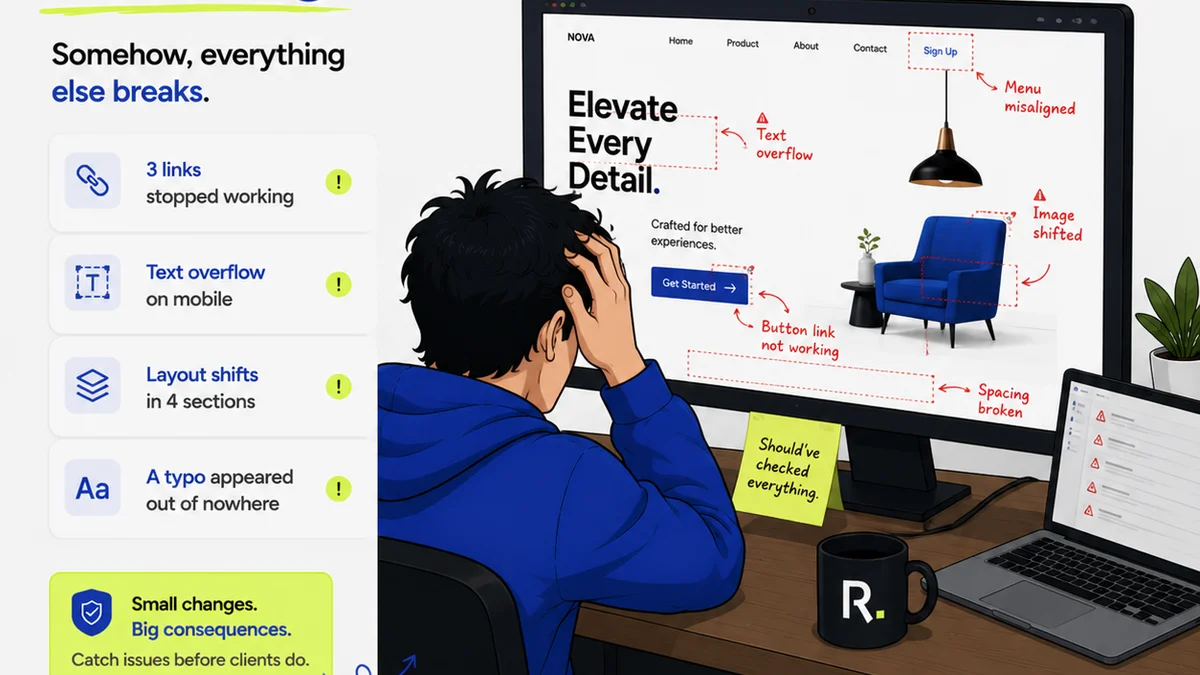
- Quality Assurance: Before final delivery, use the platform to conduct thorough quality checks. Ensure all visual elements adhere to established brand guidelines, maintaining the integrity and impact of the visual identity.
By streamlining these processes, Revue helps agencies and design teams ensure that the visual output consistently reflects the intended brand identity, directly supporting the business growth objectives discussed.
Final Thought
Your visual identity is more than just pretty pictures. It’s a strategic asset that influences perception, builds trust, drives sales, and fosters loyalty.
Are you treating it as the growth engine it can be?
Frequently asked questions
What is visual identity?
Visual identity refers to all the visual elements that a company uses to identify itself to consumers. This includes logos, color palettes, typography, imagery, and overall design style, which collectively create a distinct and recognizable brand image.
How does visual identity impact customer trust?
A consistent, professional, and well-executed visual identity signals credibility and attention to detail. This can significantly increase customer trust, as it suggests a reliable and high-quality business operation.
Can visual identity directly increase sales?
Yes, a strong visual identity can increase sales by making a brand more memorable, differentiating it from competitors, improving website and marketing material effectiveness, and creating positive first impressions that encourage engagement and conversion.
Why is consistency important in visual identity?
Consistency in visual identity across all platforms and touchpoints reinforces brand recognition, builds familiarity, and strengthens customer trust. Inconsistency can dilute brand message and confuse customers, undermining growth efforts.
How can agencies manage visual identity across multiple clients?
Agencies can manage visual identity by establishing clear brand guidelines, using centralized feedback and approval tools like Revue to track revisions, and ensuring all team members understand and adhere to these guidelines throughout the creative process.