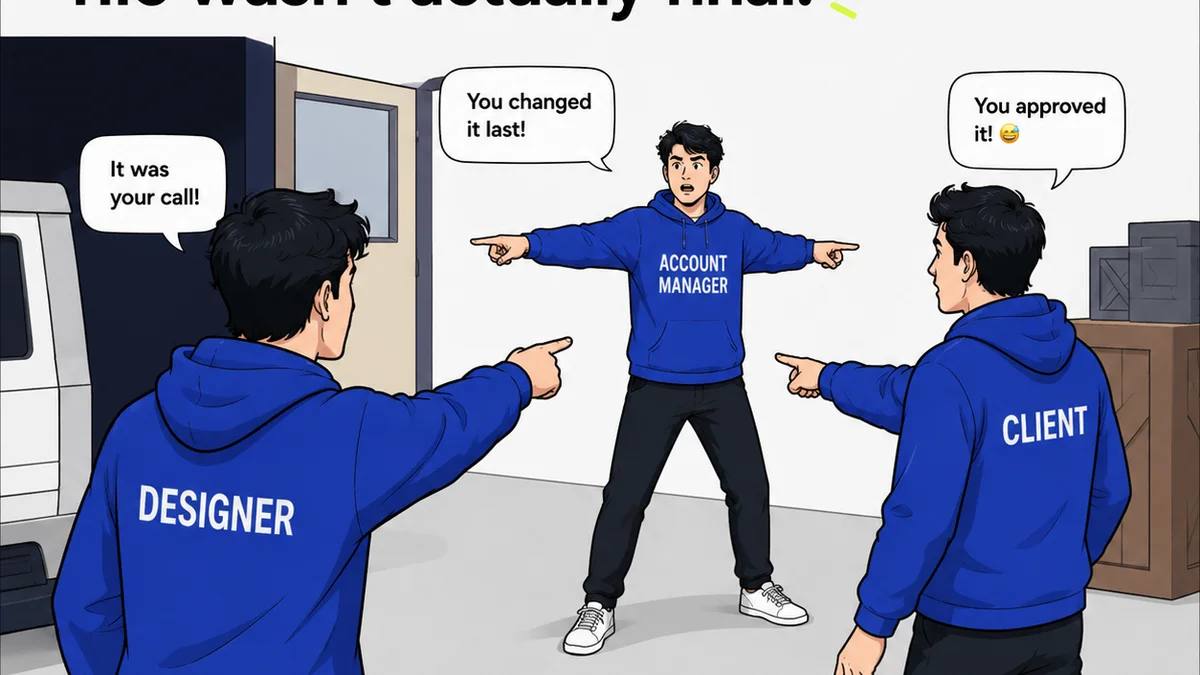
Everyone thinks website design is about making things look pretty. A killer homepage, slick animations, a vibrant color palette. None of that is wrong. But it’s incomplete.
The hard truth? Great website design is about solving problems for users and for your clients. It’s about clear communication, efficient workflows, and ultimately, driving business results. Pretty is a byproduct, not the goal.
1. Define the Real Goal: What’s the Point?
Before a single pixel is placed, you need to nail down the *why*. What is this website supposed to *do*? For whom?
Understanding Client Objectives
Clients often come with vague requests: “We need a new website.” Your job is to translate that into actionable goals. Are they looking to:
- Generate leads?
- Increase sales?
- Build brand awareness?
- Provide customer support?
- Streamline internal processes?
Each objective requires a different approach to design and functionality. A lead-gen site needs prominent CTAs and clear forms. An e-commerce site prioritizes product discovery and a frictionless checkout.
User Needs vs. Client Wants
This is where the contrarian stance kicks in. Your client might *want* flashing banners and a thousand calls to action. But their *users* might just want to find information quickly and easily. Balancing these is crucial. User research isn't optional; it's foundational.
Understanding user personas and their journey helps you design an experience that serves them, which in turn serves your client’s business goals.
2. Information Architecture: The Blueprint
Think of information architecture (IA) as the skeleton of your website. It's how content is organized, structured, and labeled. Good IA makes content findable and understandable.
Sitemaps and User Flows
A sitemap is a visual representation of all the pages on your website and how they relate to each other. It’s your roadmap.
User flows map out the paths a user might take to complete specific tasks, like signing up for a newsletter or purchasing a product. These help identify potential friction points.
Navigation Design
Navigation should be intuitive. Users shouldn't have to think hard about where to find things. Standard patterns work best:
- Top navigation for primary site sections.
- Footer navigation for secondary links (contact, privacy policy, careers).
- Clear labeling that uses common language.
Avoid jargon or overly clever labels that only your client understands.
3. Wireframing: Structure Before Style
Wireframes are the low-fidelity blueprints. They focus purely on layout, content hierarchy, and functionality, stripping away visual design elements like color and typography.
Purpose of Wireframes
Wireframes serve several key purposes:
- Early Feedback: Get stakeholder buy-in on structure and functionality before investing time in visual design.
- Content Placement: Determine where key content elements will live on each page.
- Functionality Testing: Visualize how interactive elements will work.
- Alignment: Ensure the design team, client, and development team are all on the same page regarding site structure.
This is where you prevent major structural issues that are expensive to fix later.
Types of Wireframes
Wireframes can range from simple sketches on a whiteboard to detailed digital mockups. The key is clarity, not polish.
Tools like Balsamiq, Figma, or even Sketch are excellent for creating digital wireframes.
4. UI Design: The Visual Language
Once the structure is solid, you layer on the User Interface (UI) design. This is where visual elements come into play – color, typography, imagery, and spacing.
Branding and Visual Identity
UI design must align with the client's brand. This means:
- Consistent use of brand colors.
- Appropriate typography that reflects the brand personality.
- High-quality imagery that supports the brand message.
A strong visual identity builds trust and recognition.
Accessibility (A11y)
This is non-negotiable. Accessible design ensures everyone, regardless of ability, can use your website. Key considerations include:
- Color Contrast: Ensure sufficient contrast between text and background. Aim for WCAG AA compliance at minimum.
- Keyboard Navigation: All interactive elements must be navigable using a keyboard.
- Alt Text for Images: Provide descriptive alt text for screen readers.
- Clear Form Labels: Associate labels correctly with form fields.
Ignoring accessibility alienates users and can lead to legal issues. It's a core component of good design, not an afterthought.
Responsive Design
Your design must adapt seamlessly to different screen sizes – desktops, tablets, and mobile phones. This isn't just about shrinking content; it's about optimizing the experience for each device.
Mobile-first design thinking often leads to cleaner, more focused experiences across all breakpoints.
5. UX Design: The User's Journey
User Experience (UX) design is the overarching feeling a user has when interacting with your website. It encompasses usability, accessibility, and desirability.
Usability Testing
Observe real users interacting with your design (or prototypes) to identify pain points. Ask them to complete specific tasks and note where they struggle or get confused.
Even informal testing with colleagues or friends can reveal significant usability issues.
Content Strategy Integration
Great UX considers the content itself. Is it clear, concise, and relevant? Does it answer user questions effectively? Content and design work hand-in-hand.
A website can look beautiful and be technically sound, but if the content is weak, the user experience suffers.
6. Development Handoff and Collaboration
The design phase isn't the end. A smooth handoff to developers is critical for a successful build.
Clear Specifications
Provide developers with detailed design specifications. This includes:
- Style guides (colors, typography, spacing).
- Asset exports (icons, images).
- Interaction details.
- Responsive behavior.
Tools like Figma offer robust features for design handoff, allowing developers to inspect elements, export assets, and understand spacing directly.
Ongoing Communication
Maintain open lines of communication with the development team. Be available to answer questions and clarify design intent. Sometimes, technical constraints require design adjustments. Flexibility and collaboration are key.
Where Revue Fits In
Managing website design projects, especially with multiple stakeholders and iterative feedback, can become chaotic. This is where a centralized platform like Revue becomes invaluable.
Imagine streamlining the entire feedback and approval process. Instead of sifting through endless email chains or disparate Slack messages, all client comments are consolidated in one place, linked directly to the specific design element they refer to.
Revue helps manage revisions by providing clear visibility into what feedback has been addressed, what’s pending, and what requires client approval. This clarity reduces misunderstandings and speeds up the revision cycle, ensuring the final design meets both aesthetic and functional requirements.
Furthermore, quality checks become more robust when you have a clear audit trail of feedback, revisions, and approvals. You can be confident that the final approved design is precisely what was intended, minimizing costly rework post-launch.
7. Post-Launch: Iteration and Optimization
Launching a website is not the finish line. It’s the starting line for continuous improvement.
Analytics and Tracking
Implement analytics tools (like Google Analytics) to track user behavior. Understand which pages are popular, where users drop off, and how they navigate your site.
User Feedback Loops
Continue gathering feedback post-launch. Use surveys, feedback forms, or direct outreach to understand user satisfaction and identify areas for improvement.
Design is an iterative process. Use data and feedback to inform future updates and optimizations.
Final Thought
Website design is a discipline that marries creativity with problem-solving. It requires understanding business goals, user needs, and technical possibilities. Are you designing for fleeting trends, or for lasting impact and genuine user value?
Frequently asked questions
What's the difference between UI and UX design?
UI (User Interface) design focuses on the visual elements and interactive components of a website – how it looks and feels. UX (User Experience) design focuses on the overall journey and interaction a user has with the website, ensuring it's efficient, effective, and enjoyable.
How important is mobile responsiveness in website design?
Mobile responsiveness is critical. A significant portion of web traffic comes from mobile devices. A responsive design ensures your website provides an optimal viewing and interaction experience across all devices, from desktops to smartphones.
What are the key elements of good website information architecture?
Good information architecture involves clear organization of content, intuitive navigation, logical site structure (sitemaps), and user-friendly labeling. The goal is to make it easy for users to find what they need quickly.
How can agencies improve client feedback on website designs?
Agencies can improve client feedback by using centralized platforms like Revue to consolidate comments, providing clear visual references for feedback, setting specific review periods, and educating clients on the design process and its rationale.