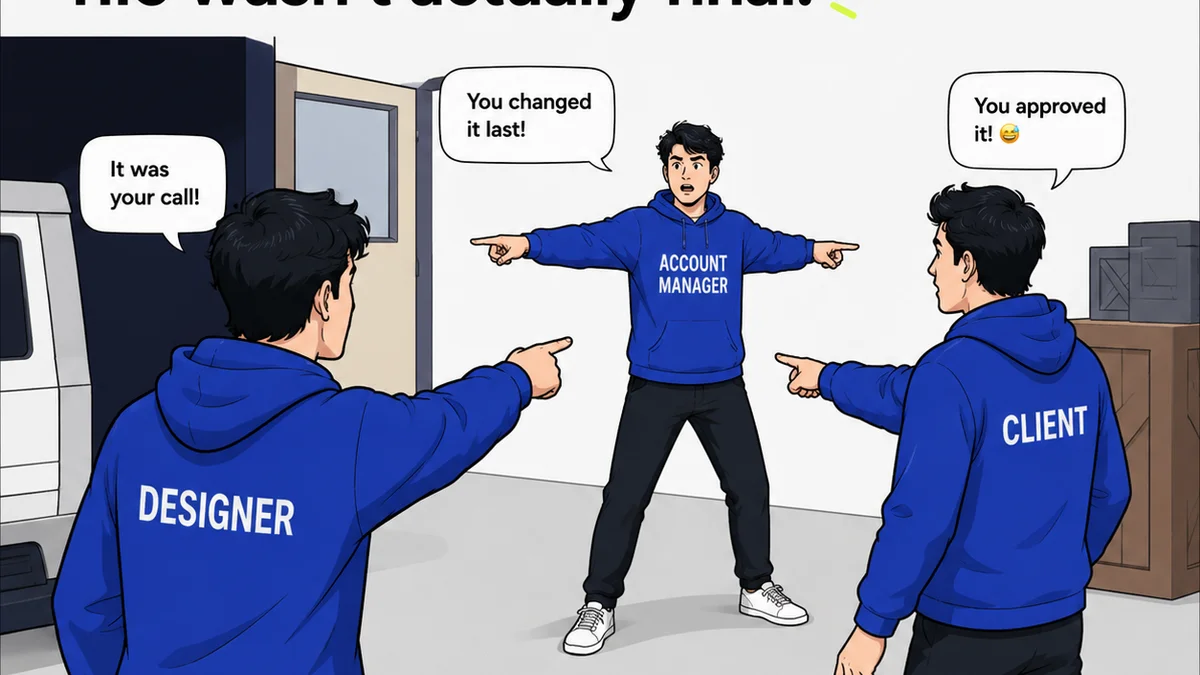
Everyone agrees accessibility is important. It’s the right thing to do. It broadens your audience. It’s good for SEO. None of that is wrong. But it’s incomplete.
The common assumption is that building accessible experiences means extra work, extra time, and therefore, slower project delivery. It’s a legitimate concern, especially for agencies juggling tight deadlines and multiple clients. But the real drag isn't accessibility itself; it's the disjointed, reactive way most teams approach it.
The hard truth? Accessibility isn't a feature you bolt on at the end. It's a fundamental aspect of good design and development that, when integrated properly, actually *streamlines* your workflow. The bottleneck isn't the *what*, it's the *how*.
1. The Myth of the "Accessibility Pass"
Many teams treat accessibility like a final QA step. A dedicated person (or worse, the overwhelmed designer) does an
Frequently asked questions
How can I make accessibility a priority without adding significant time to projects?
Integrate accessibility from the start. Embed checks into your design and development process rather than treating it as a final review. Train your team on accessibility best practices and provide them with the right tools.
What are the most common accessibility mistakes agencies make?
Common mistakes include insufficient color contrast, lack of keyboard navigation support, missing alt text for images, and not structuring content logically for screen readers. These often stem from treating accessibility as an afterthought.
Does accessibility compliance differ across industries or project types?
While core principles remain the same, the level of compliance and specific requirements can vary. For instance, government and healthcare sectors often have stricter legal mandates (like WCAG 2.1 AA or AAA) than some commercial projects, though best practice always aims high.
How can tools like Revue help with accessibility in creative projects?
Revue helps by centralizing feedback and approvals. This clarity reduces back-and-forth, ensuring that accessibility requirements are communicated clearly and addressed efficiently. It provides a single source of truth, minimizing misunderstandings that can lead to accessibility oversights.