Everyone talks about agency management in terms of billable hours, utilization rates, and profitability margins. That’s not wrong. But it’s incomplete. It’s like focusing on the engine of a car while ignoring the steering wheel, the brakes, and the road ahead.
The real truth? Exceptional agency management isn’t about tracking time; it’s about creating clarity and control across your entire operation. It’s about building systems that prevent chaos, not just measure it.
1. The Myth of the 'Full Schedule'
Agencies often equate a full schedule with success. More projects, more hours logged, more revenue. Right?
Wrong. A full schedule can be a symptom of deeper problems:
- Scope creep disguised as client demand.
- Under-resourced projects leading to burnout.
- Lack of clear project scoping and client alignment.
- Poor internal communication causing rework.
- Chasing small, unprofitable projects.
The goal isn't to be busy. The goal is to be profitably busy on the *right* work.
The Hard Truth: Project Health Over Schedule Density
True management success lies in the health of each project, not just the volume of work. This means understanding the true scope, resource needs, and profitability of every engagement from the outset.
It requires a shift from reactive scheduling to proactive project planning. This means:
- Rigorous project intake and scoping processes.
- Clear Statement of Work (SOW) documents that define deliverables and boundaries.
- Regular project health checks, not just status updates.
- Empowering project managers to push back on scope creep.
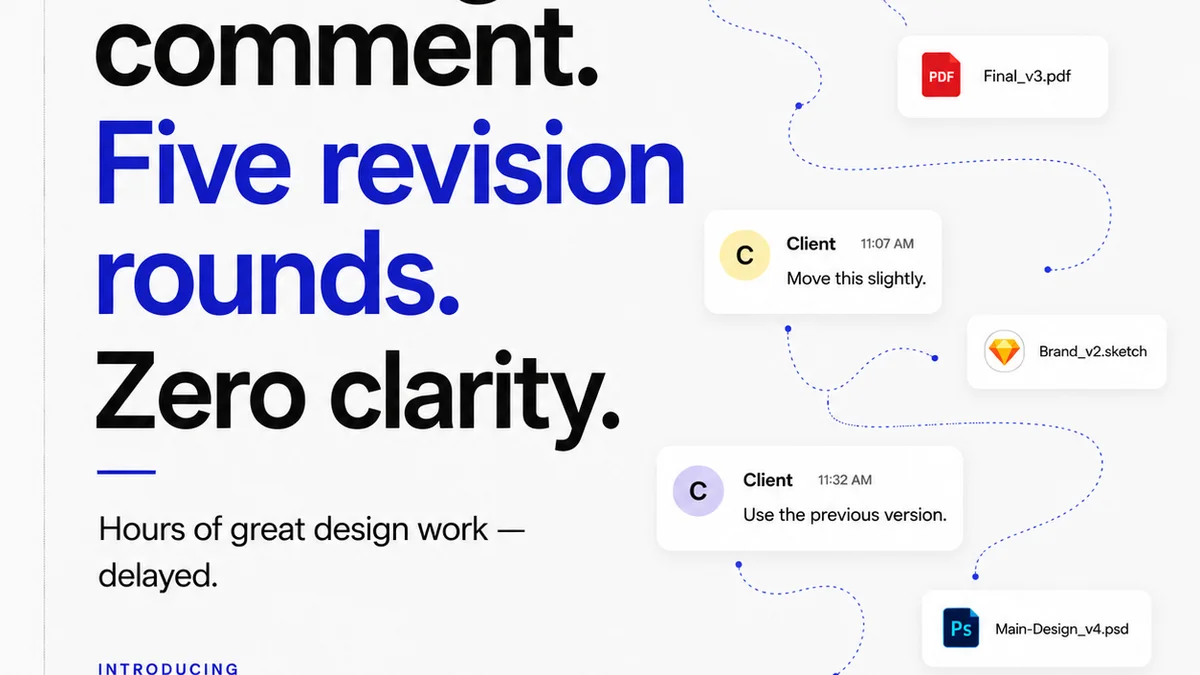
2. Taming the Feedback Beast
Client feedback is essential. It’s the lifeblood of creative work. But unchecked, it can also be the quickest way to drain resources and destroy project profitability.
The assumption is that client feedback is always constructive and clearly communicated. Often, it’s not.
The Hard Truth: Feedback is a Process, Not an Event
Managing client feedback effectively requires treating it as a structured process, not a free-for-all. This means:
- Establishing clear channels for feedback.
- Defining who provides feedback and when.
- Creating a system to capture, organize, and act on feedback.
- Educating clients on the feedback process and its impact on timelines and budget.
Ambiguous feedback like “make it pop” or “I don’t like it” is a project killer. You need to train your clients (and your internal teams) to provide specific, actionable comments.
Implementing Structured Feedback Loops
This looks like:
- Designated feedback rounds with clear deadlines.
- Using tools that allow for annotation and contextual comments.
- Summarizing feedback before actioning to ensure understanding.
- A sign-off process that confirms client acceptance of revisions.
Without this structure, you’re leaving your projects vulnerable to endless revisions and frustrated teams.
3. The Hidden Cost of Rework
Rework. It’s the silent killer of agency profitability. Everyone knows it happens, but few actively quantify its impact.
The common assumption is that a little rework is just part of the job. A necessary evil.
The Hard Truth: Rework Is a System Failure
Rework isn't just an annoyance; it's a direct drain on your resources and a sign of underlying process breakdowns. It eats into your profit margins, delays other projects, and demoralizes your team.
What drives rework?
- Poor initial brief and understanding.
- Lack of clear creative direction.
- Ineffective or misunderstood client feedback.
- Insufficient internal review and quality control.
- Team members not having the right information or context.
Minimizing Rework Through Proactive Measures
The antidote to rework is not working faster; it’s working smarter. This involves:
- Deep Discovery: Investing more time upfront to understand the client’s business, goals, and audience.
- Iterative Approvals: Breaking down large projects into smaller, manageable phases with clear approval points.
- Internal Gatekeeping: Implementing robust internal reviews before client-facing deliverables.
- Version Control: Maintaining clear records of all versions and revisions.
- Post-Mortems: Analyzing projects that involved significant rework to identify root causes and implement preventative measures.
Every hour spent on rework is an hour not spent on profitable new work or improving your business.
4. Empowering Your Team Beyond Task Management
Many agencies manage their teams like task-completion machines. Assign work, track progress, check deadlines. That’s basic operations.
The assumption is that if people have clear tasks, they’ll be efficient and happy.
The Hard Truth: Empowered Teams Drive Value
High-performing teams aren’t just executing tasks; they’re problem-solving, collaborating, and owning outcomes. Management’s role is to create an environment where this can flourish.
This means:
- Fostering autonomy and trust.
- Providing clear strategic context for projects.
- Encouraging proactive communication and problem-solving.
- Investing in professional development.
- Recognizing and rewarding contributions beyond just task completion.
When your team feels empowered, they’re more engaged, more innovative, and more resilient. They become partners in profitability, not just cogs in the machine.
Building a Culture of Ownership
How do you foster this?
- Transparent Goals: Share agency and project goals so everyone understands the 'why'.
- Decision-Making Authority: Delegate decision-making where appropriate, rather than micromanaging.
- Psychological Safety: Create an environment where people feel safe to voice concerns or suggest improvements without fear of reprisal.
- Feedback Mechanisms: Implement regular 1:1s and team retrospectives that go beyond status checks.
An empowered team can anticipate issues, propose solutions, and deliver exceptional work with less direct oversight.
5. Where Revue Fits In
Managing an agency is complex. Juggling client feedback, tracking revisions, ensuring quality, and keeping teams aligned across multiple projects can feel like spinning plates.
This is where a centralized platform becomes indispensable. Revue is built to bring clarity and control to these chaotic areas.
Centralized Client Feedback
No more chasing down feedback via email chains or scattered Slack messages. Revue allows clients to provide contextual feedback directly on your creative assets. This means:
- Clear, actionable comments tied to specific elements.
- A single source of truth for all client input.
- Reduced ambiguity and misinterpretation.
Revision and Approval Visibility
Track every revision, every approval, and every version with ease. Revue provides a transparent audit trail, so you always know where a project stands. This visibility helps:
- Prevent scope creep by clearly defining approved stages.
- Streamline the revision process by understanding what’s been addressed.
- Ensure accountability for both your team and the client.
Quality Assurance Checks
Before anything goes to the client, it needs to be perfect. Revue integrates quality checks into your workflow, ensuring that every deliverable meets your agency’s high standards. This helps:
- Catch errors early, reducing costly rework.
- Maintain brand consistency and client satisfaction.
- Build trust and a reputation for excellence.
Revue isn't just another tool; it's a system designed to streamline the most challenging parts of agency operations, moving you beyond basic time-tracking to true operational mastery.
Final Thought
Are you managing your agency based on vanity metrics like utilization rates, or are you building systems that ensure project health, team empowerment, and client satisfaction? The difference isn't just about efficiency; it's about building a sustainable, profitable, and enjoyable business.
Frequently asked questions
What's the biggest mistake agencies make in management?
Focusing solely on billable hours and utilization rates. True success comes from building robust systems that ensure project health, clear communication, and team empowerment, which naturally leads to profitability.
How can I reduce rework in my agency?
Reduce rework by investing in thorough upfront discovery, implementing structured feedback loops with clear approval stages, establishing rigorous internal quality checks, and analyzing past projects to identify and prevent recurring issues.
Why is client feedback management so critical?
Unmanaged client feedback leads to scope creep, endless revisions, team frustration, and reduced profitability. Treating feedback as a structured process with clear channels and approval points is essential for project success.
How does a platform like Revue help with agency management?
Revue centralizes client feedback, provides clear visibility into revisions and approvals, and integrates quality assurance checks. This streamlines workflows, reduces ambiguity, and helps maintain project profitability and client satisfaction.