Everyone thinks campaign design is about a killer concept and a stunning visual. Get the big idea right, nail the aesthetic, and the results will follow. That’s the common wisdom. And it’s not entirely wrong.
But it’s dangerously incomplete.
The hard truth is that great campaign design isn't just about creativity. It's about operational excellence. It's about building systems that can execute that creativity flawlessly, at scale, and against tight deadlines. It’s about managing the messy middle between inspiration and execution.
1. The Myth of the Solo Genius
We love the narrative of the lone creative visionary. The person who just *knows* what will work. While brilliant ideas are essential, relying on a single point of genius is a fragile strategy. It creates bottlenecks and makes your entire operation dependent on one person’s bandwidth and mood.
Real campaign design is a team sport. It requires collaboration, clear communication, and a robust workflow. It’s about enabling a group of talented people to do their best work, consistently.
The Bottleneck of Bottlenecks
When a campaign hinges on one person’s sign-off or one designer’s availability, everything grinds to a halt. This isn't just frustrating; it's a direct hit to your bottom line and client satisfaction.
Building a Collaborative Engine
This means establishing clear roles, responsibilities, and handoff points. It means fostering an environment where feedback is constructive and timely. It means having processes that can absorb the inevitable fluctuations in workload and creative output.
2. Beyond the Brief: The Living Brief
A static brief is a starting point, not an endpoint. Many agencies treat the brief as a document to be filed away once the initial concept is approved. This is a critical mistake.
Effective campaign design requires a dynamic, evolving brief that informs every stage of the process. It’s a living document that adapts to new insights, client feedback, and market shifts.
The Brief as a Foundation, Not a Cage
A good brief sets the strategic direction. But the campaign itself will reveal nuances and opportunities that the initial brief couldn't possibly capture. Ignoring these is leaving performance on the table.
Iterative Strategy
This means revisiting the brief’s core objectives throughout the campaign lifecycle. Does the target audience behavior still align? Has a competitor launched something that changes the landscape? Is the initial creative direction still the most effective path to achieving those objectives?
These aren't questions you ask once. You ask them continuously.
3. The Real Cost of Revisions
Everyone knows revisions add time and cost. But the real damage is often hidden deeper. It’s in the lost momentum, the diluted creative, and the strained client relationships.
Unmanaged revisions are a silent killer of campaign effectiveness.
The Erosion of Momentum
Each back-and-forth eats up valuable time. What could have been a sharp, decisive execution becomes a drawn-out, painful process. This kills the energy of the creative team and the excitement of the client.
The Dilution Effect
Too many cooks can spoil the broth. When feedback isn't consolidated or prioritized, creative ideas get watered down. The original, strong concept gets chipped away until it’s barely recognizable. This is often worse than no campaign at all.
Communication Breakdowns
Misinterpreted feedback, missed comments, and endless email chains lead to frustration on both sides. Clients feel unheard, and your team feels attacked. This erodes trust.
4. The Unseen Architecture: Workflow and Tools
You can have the most brilliant creative team and the most inspiring brief, but without a solid workflow and the right tools, your campaign design will crumble under its own weight.
This is where operational rigor meets creative ambition.
Standardizing Processes
This doesn't mean stifling creativity. It means creating predictable pathways for common tasks. Think about:
- Clear briefing templates.
- Defined review stages and timelines.
- Standardized file naming conventions.
- Automated approval routing.
- Centralized asset management.
These elements create a reliable scaffolding for your creative work.
Choosing the Right Tools
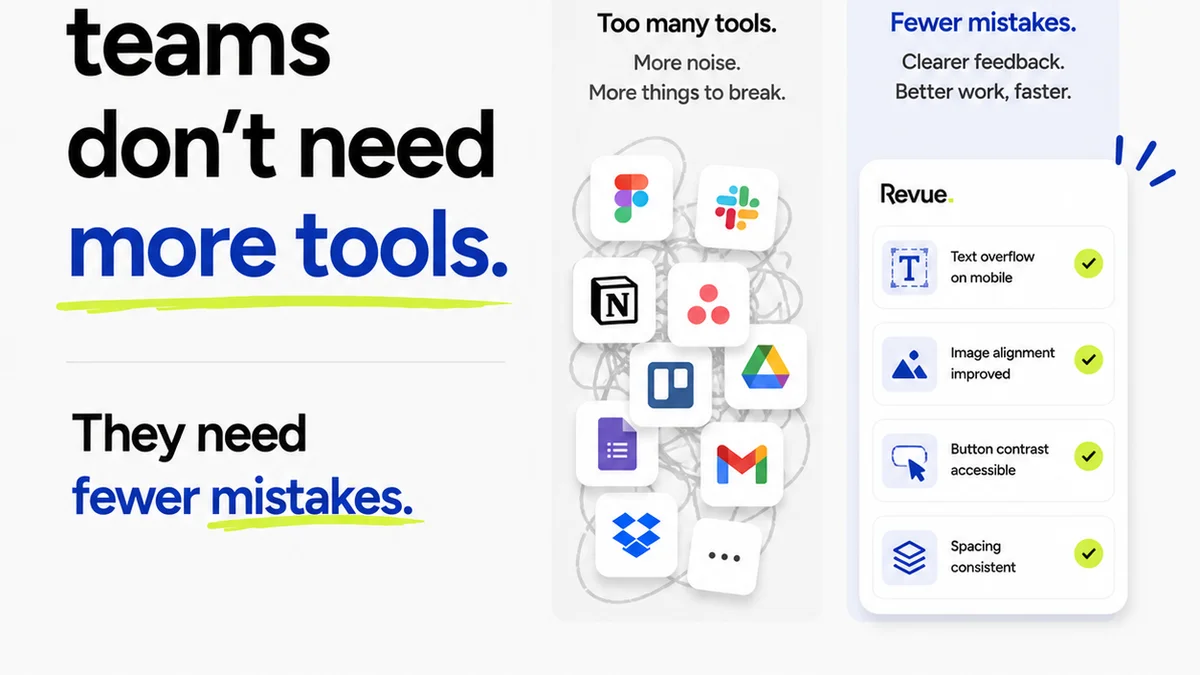
The market is flooded with software promising to solve every problem. But the wrong tool can create more chaos than it solves.
You need tools that:
- Facilitate clear, contextual feedback.
- Provide a single source of truth for assets and versions.
- Streamline the approval process.
- Offer visibility into the entire project lifecycle.
This isn't about having the most expensive software; it's about having the *right* software that integrates seamlessly into your team's daily operations.
5. Quality Control: The Final Frontier
Many agencies view QC as a final check, an afterthought. This is a mistake. Quality control needs to be baked into the entire design process, not just tacked on at the end.
A robust QC process ensures your brilliant creative actually looks and functions as intended, every single time.
Pre-emptive Problem Solving
By building checks and balances throughout the workflow, you catch errors early. This is far more efficient than fixing mistakes post-launch.
Brand Consistency
Ensuring every touchpoint aligns with brand guidelines is paramount. This requires systematic checks, not just a quick glance.
Performance Alignment
Does the final creative actually serve the campaign objectives? Is the call-to-action clear? Is the user experience seamless? These are critical quality metrics.
Where Revue Fits In
Managing the intricate dance of campaign design requires more than just talent. It demands a system that supports collaboration, streamlines feedback, and ensures quality.
This is precisely why Revue was built. We know that brilliant ideas can get lost in translation, buried in email threads, or diluted by unmanaged revisions. Revue provides a centralized hub for all your creative assets and client feedback.
Imagine a world where every stakeholder can provide clear, contextual comments directly on the creative. Where every version is tracked, and approvals are transparent. Where your team spends less time chasing feedback and more time creating.
Revue brings that operational clarity to your campaign design process, ensuring your creative vision is executed with precision and confidence.
Final Thought
Campaign design is often celebrated for its artistry. But its true power lies in its operational backbone. Are you designing campaigns, or just pretty pictures?
Frequently asked questions
What's the biggest misconception about campaign design?
The biggest misconception is that campaign design is solely about a brilliant creative concept and stunning visuals. While crucial, it overlooks the operational realities of execution, managing feedback, and ensuring consistent quality across all touchpoints.
How can agencies avoid bottlenecks in campaign design?
Avoid bottlenecks by fostering a collaborative environment, clearly defining roles and responsibilities, standardizing processes for common tasks, and using tools that facilitate smooth handoffs and approvals. This moves away from relying on a single 'genius' and builds a more resilient team process.
Why is a 'living brief' important for campaign design?
A 'living brief' is vital because it acknowledges that campaign strategy needs to evolve. It acts as a dynamic guide that can be revisited and adapted based on new insights, client feedback, and market changes throughout the campaign lifecycle, ensuring the creative remains relevant and effective.
How do unmanaged revisions negatively impact campaigns?
Unmanaged revisions lead to lost momentum, diluted creative concepts, increased costs, and strained client relationships. They can turn a sharp, decisive execution into a drawn-out, painful process, ultimately undermining the campaign's effectiveness and the team's morale.
What role do tools play in effective campaign design?
The right tools are essential for providing operational rigor. They should facilitate clear, contextual feedback, serve as a single source of truth for assets and versions, streamline approvals, and offer visibility into the project lifecycle. This integration supports creative ambition with practical execution.