Everyone talks about creative leadership. You hear about fostering innovation, empowering teams, and setting a clear vision. None of that is wrong. But it’s incomplete.
The deeper truth? Great creative leadership isn't just about *what* you inspire, but *how* you operationalize it. It’s about building systems that not only allow creativity to flourish but also ensure that brilliant ideas actually make it to the finish line, on time and on budget, without burning out your best people.
1. The Illusion of 'Just Do It'
Many leaders assume that creative work flows best when left to its own devices. That a talented team, given a brief, will naturally find the most efficient path to a great outcome.
This is a dangerous assumption.
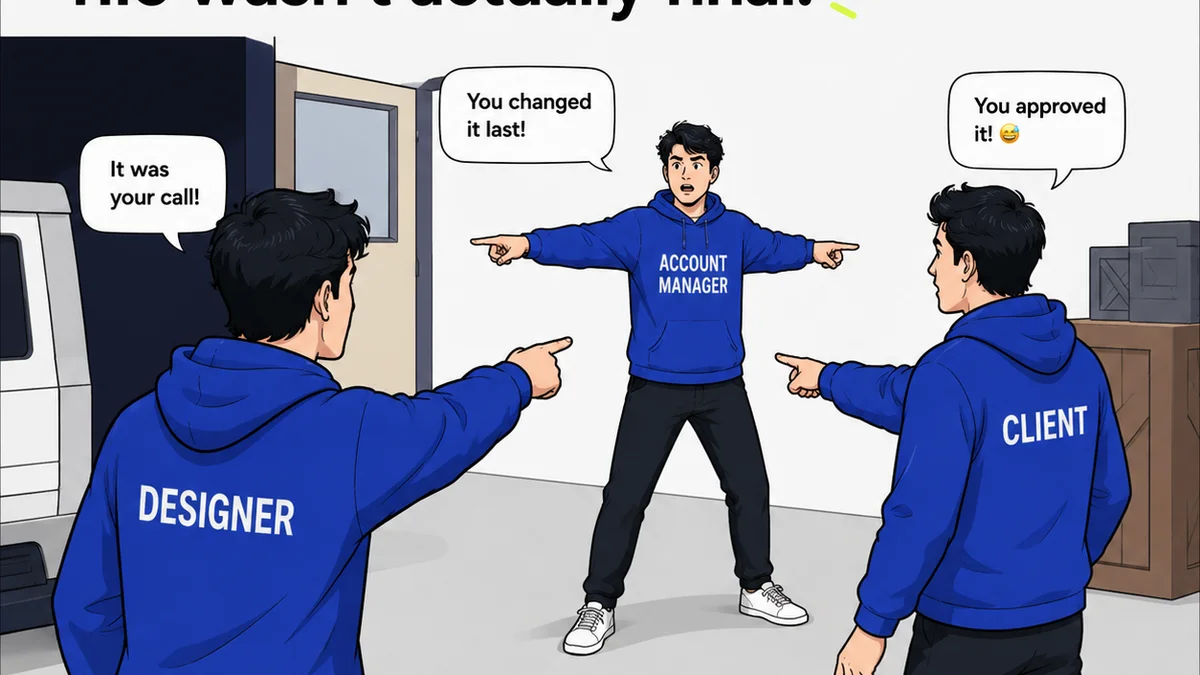
The reality is, creative projects are complex. They involve multiple stakeholders, subjective feedback, iterative changes, and tight deadlines. Without structure, these elements devolve into chaos, leading to:
- Endless revision cycles driven by unclear feedback.
- Missed deadlines due to scope creep.
- Frustrated team members who feel their work is constantly being devalued.
- Clients who feel left in the dark or that their feedback isn't being heard.
- A decline in overall work quality under pressure.
The Hard Truth: Structure Frees Creativity
The real magic happens when you build guardrails that support, rather than stifle, the creative process. Think of it like a race car driver: they have an incredibly powerful machine and immense skill, but they rely on the track, the pit crew, and the engineering team to perform at their peak. Your team needs the same.
2. Mastering the Feedback Loop
Client feedback is the lifeblood of most creative work. But it’s also a common pitfall.
The assumption is that more feedback is better, or that all feedback is created equal.
This couldn't be further from the truth. Unmanaged feedback is noise. It’s contradictory, vague, and often comes from people who aren't the ultimate decision-makers.
The Cost of Ambiguous Feedback
When feedback isn't captured systematically, it leads to:
- Misinterpretations and wasted effort on revisions.
Frequently asked questions
What's the biggest misconception about creative leadership?
The biggest misconception is that creative leadership is solely about inspiring vision and fostering innovation. While crucial, it overlooks the vital operational systems needed to translate that vision into tangible, high-quality results efficiently.
How can I improve client feedback processes?
Establish clear channels for feedback, define who the ultimate decision-makers are, and use tools that centralize comments and track revisions. Train your team to probe for clarity and context before acting on feedback.
How do I balance creative freedom with project constraints?
Provide a clear framework (brief, goals, budget, timeline) that defines the boundaries. Within those boundaries, grant maximum autonomy. Regularly check-in to ensure alignment without micromanaging.
What role does technology play in advanced creative leadership?
Technology plays a critical role in operationalizing creative leadership. Tools for centralized feedback, version control, task management, and client communication help streamline workflows, reduce errors, and improve transparency.