Everyone agrees design QA is important. It’s the last line of defense against embarrassing errors, missed details, and client frustration. Most teams approach it like a checklist: proofread copy, check image resolution, ensure brand guidelines are met.
None of that is wrong. But it’s incomplete. Treating QA as a mere compliance step is a massive missed opportunity. It’s like using a sports car only to drive to the grocery store. You’re not leveraging its true potential.
The hard truth? Design QA, when done right, isn't just about finding mistakes. It’s a strategic lever for improving client relationships, streamlining workflows, and ultimately, boosting profitability. It’s about building quality into the entire process, not just slapping it on at the end.
1. Shifting QA from a Silo to a System
The most common mistake is treating QA as a distinct phase, often handled by a single person or small group, right before delivery. This creates a bottleneck and disconnects QA from the creative process itself.
A truly advanced QA strategy integrates it throughout the project lifecycle. It’s not an event; it’s a continuous discipline.
1.1. Early Involvement: Catching Issues Before They're Baked In
Bring QA considerations into the kickoff meeting. Understand client expectations for accuracy, brand adherence, and technical specs from day one. This isn't about slowing down the initial creative burst; it's about setting the right parameters.
Ask questions like:
- What are the absolute non-negotiables for brand consistency?
- Are there specific technical requirements for this asset (e.g., print bleed, web performance)?
- What does
Frequently asked questions
What is the difference between basic and advanced design QA?
Basic design QA typically involves a final check against a checklist before delivery. Advanced design QA integrates quality checks throughout the entire project lifecycle, from kickoff to final asset handover, focusing on process improvement and strategic alignment, not just error detection.
How can QA improve client relationships?
By catching errors early and ensuring consistent brand adherence, advanced QA prevents costly revisions and embarrassing mistakes that can erode client trust. It demonstrates a commitment to excellence and professionalism, leading to greater client satisfaction and repeat business.
What role does technology play in advanced design QA?
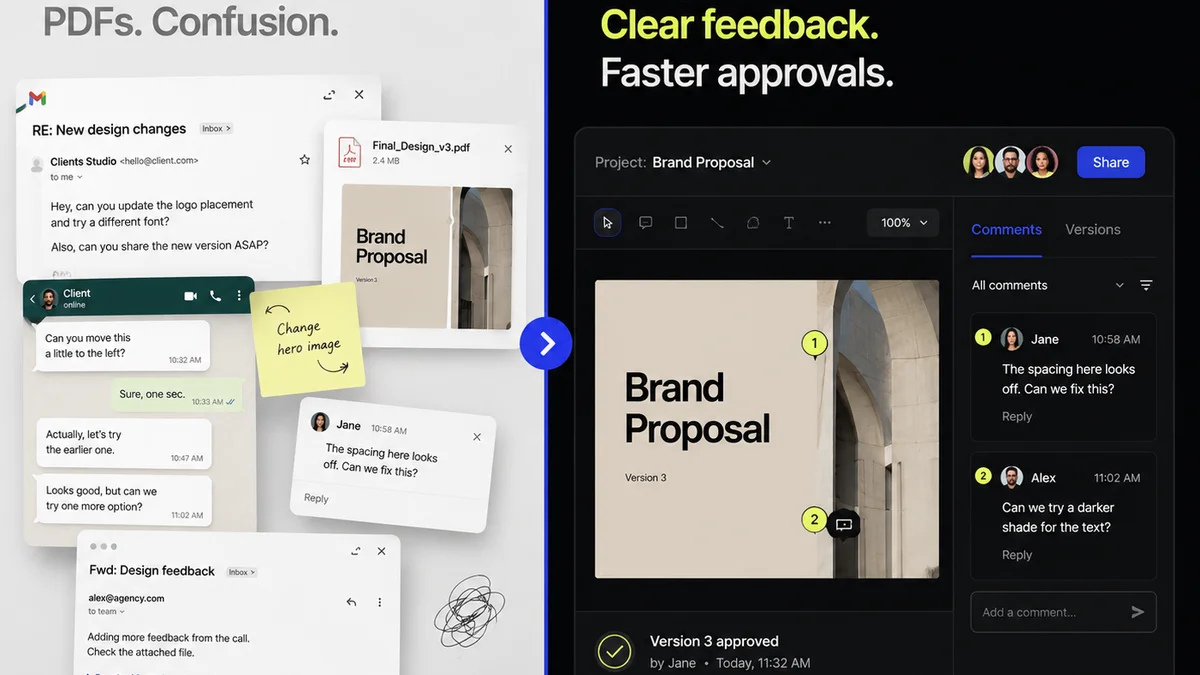
Technology like centralized feedback platforms (e.g., Revue) is crucial. It streamlines communication, provides a clear audit trail for feedback and revisions, automates certain checks, and ensures everyone is working from the latest approved versions, reducing manual errors and saving time.
Is dedicated QA staff necessary for advanced QA?
While a dedicated QA specialist can be beneficial, advanced QA is more about process and mindset. It can be effectively implemented by empowering team members, establishing clear protocols, and leveraging the right tools. The key is integrating quality checks at multiple points, not just relying on one person.