Everyone thinks packaging design is just about making a box look pretty. Pick a nice font, a cool color palette, maybe a striking image. Done.
None of that is wrong. But it’s incomplete.
The hard truth? Great packaging design is an operational discipline as much as a creative one. It’s a tightly woven thread connecting brand strategy, consumer psychology, manufacturing realities, and supply chain logistics. Agencies that excel here don’t just have great designers; they have robust systems for managing complexity.
1. Deconstructing the Brief: Beyond the Surface
A client walks in with a new product. They want a package that 'pops' on the shelf. Most agencies stop there, asking for more details about the brand and the target audience. That’s a start.
Leading agencies dig deeper. They ask about the *entire* product lifecycle. Where will this be sold? Online? In a big-box store? A boutique shop? Each channel has different demands for durability, visibility, and unboxing experience.
Understanding the Shelf
What’s the competitive set? What are their packaging choices? A premium product needs a different approach than a budget-friendly one. Color psychology is critical here, but so is the physical interaction.
The Unboxing Ritual
For e-commerce, the unboxing is the first physical touchpoint. It’s a moment of truth. Does it feel premium? Is it frustrating? Is it sustainable? These aren't just creative considerations; they are functional requirements.
Materiality and Manufacturing
This is where many agencies stumble. They design beautiful concepts that are impossible or prohibitively expensive to produce. Top agencies have a strong grasp of:
- Paper stocks and weights
- Printing techniques (offset, digital, flexo)
- Finishing options (embossing, foil stamping, spot UV)
- Structural design constraints (die-lines, folding cartons vs. rigid boxes)
- Minimum order quantities (MOQs) and lead times
This knowledge isn't just for the production manager; it informs the creative process from day one.
2. The Iterative Tightrope Walk: Design vs. Production
Packaging design isn't a linear process. It's a back-and-forth between creative vision and production feasibility. The best agencies build this iteration into their workflow, not as an afterthought, but as a core component.
Early Prototyping
Don't wait until the final design is approved to build a physical mock-up. Start early. Test different structures, materials, and print finishes. See how the colors translate from screen to substrate.
Collaborative Proofing
Digital proofs are useful. Physical proofs are essential. But even better is a structured proofing process that involves not just the client and the creative team, but also the printer and the packaging supplier. This catches issues before they become costly mistakes.
Managing Revisions
Revision rounds are inevitable. The key is managing them effectively. Are feedback comments clear? Are they consolidated? Is there a single source of truth for what needs to change?
Uncontrolled feedback loops lead to chaos, missed revisions, and designs that lose their integrity. This is a prime area where clear process makes all the difference.
3. Beyond the Box: The Ecosystem of Packaging
Packaging doesn't exist in a vacuum. It's part of a larger brand ecosystem and a complex logistical chain. Leading agencies understand this broader context.
Brand Consistency
The packaging must align with the overall brand identity. This means more than just slapping a logo on it. It’s about translating the brand’s essence, tone, and visual language into a tangible form.
Retailer Requirements
Different retailers have specific packaging guidelines. Think about Amazon’s frustration-free packaging, or the specific dieline requirements for a major grocery chain. These are non-negotiable constraints.
Sustainability Mandates
Consumers and regulators are increasingly focused on environmental impact. Agencies need to be knowledgeable about:
- Recyclable and compostable materials
- Reducing material usage
- Minimizing ink coverage
- Designing for disassembly
This isn't just a 'nice-to-have'; it's often a core client requirement and a brand differentiator.
Supply Chain Integration
How does the packaging perform during shipping? Does it protect the product adequately? Does it stack efficiently? A design that looks great but leads to damaged goods or inefficient shipping is a failure.
4. The Tech Stack for Tactile Design
While the end product is physical, the process of creating and managing packaging design relies heavily on digital tools. Agencies that master packaging don't shy away from technology; they leverage it strategically.
3D Visualization Tools
Software like Adobe Dimension, Keyshot, or even advanced Cinema 4D renders can bring packaging concepts to life before a physical prototype is made. This aids client understanding and internal review.
Project Management Platforms
Managing the myriad details, files, versions, and approvals for packaging requires robust project management. Centralizing communication and assets is crucial.
Specialized Software
For structural design, specialized CAD software is often used. For color management and print specifications, specific tools ensure accuracy.
Feedback and Approval Systems
This is where the rubber meets the road. How is feedback collected? How are revisions tracked? How is final approval documented? Without a clear system, this stage becomes a bottleneck.
Where Revue Fits In
Managing packaging design projects involves countless moving parts. From initial concepts and structural mock-ups to print-ready files and client approvals, the process demands clarity and control.
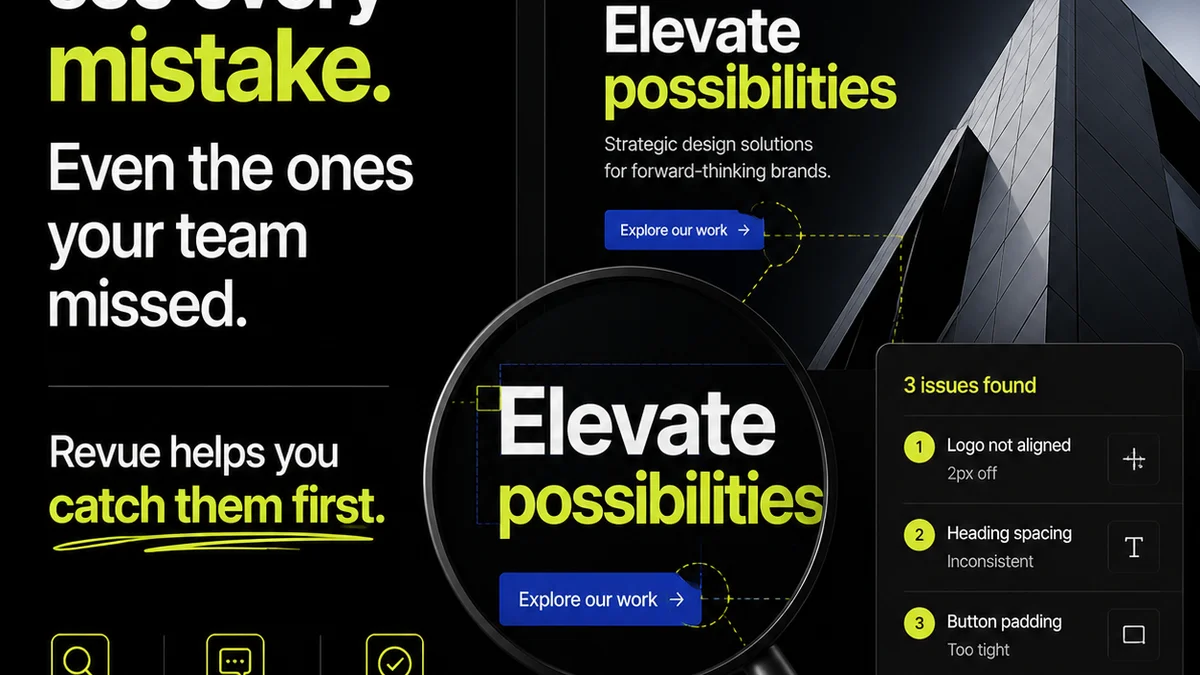
Revue provides a centralized hub for all your creative feedback and approvals. Imagine uploading a packaging prototype, annotating specific areas with precise feedback, and tracking every revision round in one place. No more sifting through endless email chains or deciphering vague comments.
This allows your team to:
- Centralize client feedback: All comments, annotations, and discussions live on the asset itself.
- Streamline revisions: Clearly see what needs to be changed and track the evolution of the design.
- Ensure quality control: Maintain a clear audit trail of approvals and sign-offs, reducing errors and misunderstandings.
By bringing order to the feedback and approval process, Revue helps your agency deliver exceptional packaging design more efficiently, ensuring both creative excellence and production viability.
Final Thought
Packaging design is often seen as the final frontier of brand expression. But is it truly the end of the line, or just the beginning of a product's journey into the consumer's hands? How does your agency balance the art of creation with the science of production to ensure every package tells the right story, from concept to cart?
Frequently asked questions
What's the biggest mistake agencies make in packaging design?
Often, it's focusing solely on aesthetics without considering the practicalities of manufacturing, material costs, and supply chain logistics. Designing something beautiful that can't be produced affordably or efficiently is a common pitfall.
How important is understanding materials and printing for packaging designers?
Extremely important. Designers need to know how different paper stocks, inks, and finishing techniques will affect the final look, feel, and cost. This knowledge informs the creative process and prevents costly errors later on.
How can agencies improve their packaging design revision process?
By centralizing feedback on the specific design asset, using clear annotation tools, and maintaining a single source of truth for all changes. This prevents confusion and ensures all revisions are addressed accurately.
What role does sustainability play in modern packaging design?
A significant and growing one. Clients and consumers increasingly demand sustainable solutions. Agencies need to be knowledgeable about recyclable materials, reducing waste, and eco-friendly printing practices.