Most agencies think their biggest challenge is finding great creative talent. Or landing the next big client. Or keeping up with the latest design trends.
None of that is wrong. But it’s incomplete.
The hard truth? Agencies don’t fail because they lack creativity. They fail because they lack operational thinking.
This isn’t about becoming a buttoned-up corporate machine. It’s about building a framework that supports your creative output, scales your business, and makes your team’s lives easier. It’s about treating your agency like a business, not just a collection of talented individuals.
1. The Myth of the ‘Creative Genius’ Operating in a Vacuum
We love the story of the lone genius, the visionary who just *makes* things happen. And yes, individual brilliance is crucial. But that brilliance needs a system to thrive.
When you rely solely on individual talent without robust operations, you get:
- Inconsistent project delivery.
- Burnout from key players carrying the load.
- Difficulty onboarding new talent.
- Clients who don't understand the process or timeline.
- Missed deadlines and budget overruns, disguised as 'creative exploration'.
This isn't a slight against creativity. It's an acknowledgment that creative work happens within a business context. That context needs structure.
The Real Engine: Predictable Excellence
Operational thinking is about building predictability into your creative process. It's understanding that the best creative work often emerges from a well-oiled machine, not from chaos.
Think about it: a Michelin-star chef doesn't just throw ingredients together. They have precise recipes, standardized prep, and efficient kitchen workflows. The creativity is in the *result*, enabled by the operations.
2. Beyond Deliverables: The Operational Backbone
Agencies are often so focused on the *what* (the final design, the campaign) that they neglect the *how* (the process, the workflow, the systems).
Operational thinking means dissecting your agency’s entire lifecycle, not just the creative output.
- Project Intake: How do you qualify leads? How are briefs captured and clarified?
- Project Planning: How are timelines set? How are resources allocated? What are the dependencies?
- Creative Workflow: How does work move from concept to final asset? What are the review stages?
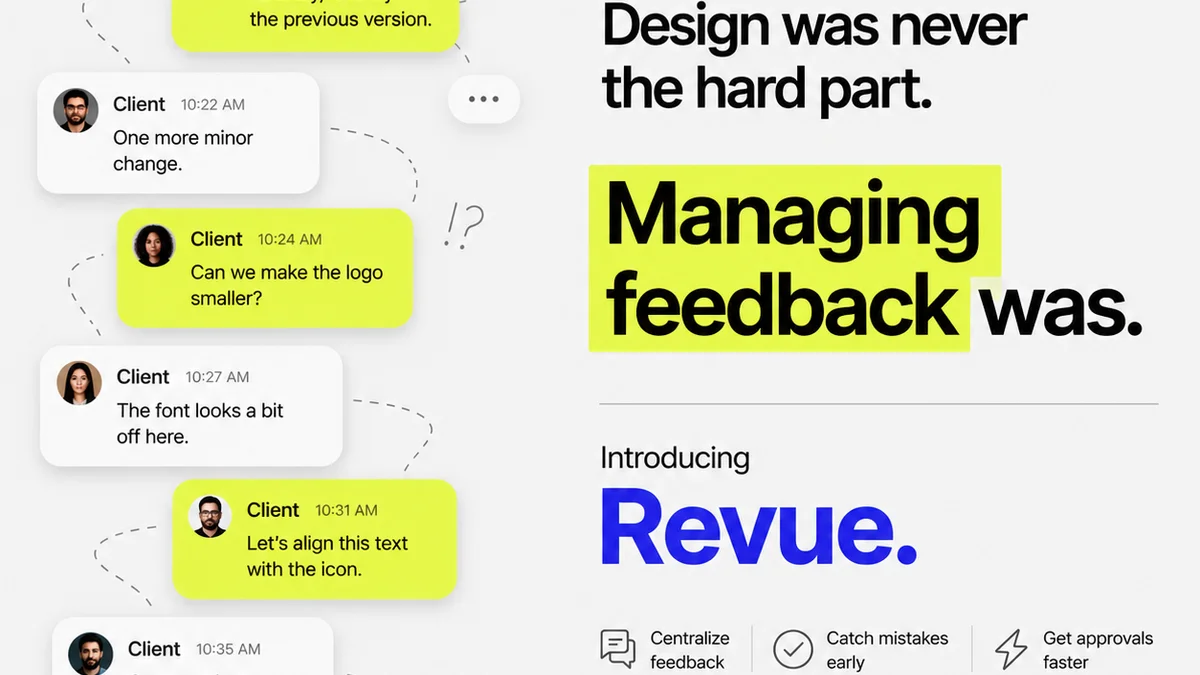
- Feedback & Revisions: How is client feedback collected, consolidated, and actioned?
- Approvals: How are final sign-offs managed and documented?
- Delivery & Archiving: How are final files handed over? How is work stored for future reference?
- Financial Management: How are projects scoped, quoted, and invoiced? How is profitability tracked?
Each of these stages is an opportunity for optimization. And optimization requires operational thinking.
The Cost of Neglect
When these areas are left to chance or ad-hoc processes, the costs are hidden but significant:
- Wasted hours in pointless meetings.
- Endless revision cycles driven by unclear feedback.
- Team members chasing down missing information.
- Difficulty in forecasting capacity or profitability.
- Client frustration leading to churn.
Operational thinking brings these hidden costs into the light and provides a path to address them.
3. Scalability Isn't Magic, It's Process
Every agency owner dreams of growth. But growth without operational rigor is just a recipe for bigger problems.
You can't simply hire more people and expect the chaos to resolve itself. In fact, it usually gets worse.
Scaling requires repeatable, scalable processes. It requires systems that can handle increased volume without breaking.
The Foundation for Growth
Operational thinking lays the groundwork for sustainable growth by:
- Standardizing common tasks: Reduces guesswork and ensures consistency.
- Creating clear roles and responsibilities: Prevents overlap and dropped balls.
- Implementing efficient communication channels: Minimizes confusion and delays.
- Establishing performance metrics: Allows you to track progress and identify bottlenecks.
- Building a knowledge base: Makes onboarding faster and knowledge transfer smoother.
When your operations are sound, you can take on more work, manage larger projects, and expand your team without sacrificing quality or sanity.
4. Client Satisfaction: It's Not Just About the Creative
Clients hire agencies for creative solutions. But they *stay* with agencies that make their lives easier.
A smooth, transparent process is often as important as the final creative product. Operational excellence directly impacts client perception.
The Operational Experience
Consider the client’s journey:
- Initial contact: Is it professional and clear?
- Briefing: Are you asking the right questions? Are you listening?
- Progress updates: Are they proactive and informative?
- Feedback rounds: Is the process for giving and receiving feedback easy to understand?
- Approvals: Is it straightforward and documented?
- Final delivery: Is it on time and in the correct format?
When your operations are clunky, the client feels it. They experience the internal struggles of your agency, even if they don’t see them directly.
Conversely, a seamless operational experience builds trust and confidence. It signals professionalism and reliability.
Where Revue Fits In
Operational thinking isn't about adding more tools; it's about refining your processes. For creative agencies, managing feedback, revisions, and approvals is a constant operational challenge.
This is where a platform like Revue becomes essential. It’s not just another piece of software; it’s an operational tool designed to bring clarity and control to your creative workflow.
- Centralized Feedback: No more hunting through email chains or Slack messages. All client comments are in one place, attached to the specific asset. This streamlines the revision process and reduces miscommunication.
- Revision & Approval Visibility: Everyone on the team and the client can see the status of every revision and approval. This transparency reduces back-and-forth and manages expectations effectively.
- Quality Checks: By having a clear record of feedback and approvals, you build in a natural quality check. You can ensure that all client requests have been addressed before final sign-off, preventing last-minute issues.
Revue helps operationalize the chaotic parts of creative project management, allowing your team to focus on what they do best: creating great work.
5. The Financial Impact of Operational Thinking
Let’s talk about money. Poor operations bleed agencies dry in ways that aren’t always obvious.
Think about the billable hours lost due to:
- Searching for files or previous feedback.
- Clarifying ambiguous requests.
- Reworking assets because of unmanaged revisions.
- Scope creep that goes unmonitored and unbilled.
- Team members working inefficiently because processes are unclear.
Operational thinking is about maximizing efficiency to improve profitability.
From Cost Center to Profit Driver
When operations are streamlined:
- Project timelines are more accurate, leading to better resource allocation.
- Less time is wasted on non-billable administrative tasks.
- Scope creep can be identified and managed, protecting margins.
- Client relationships are stronger, leading to repeat business and referrals.
- Your agency becomes a more attractive acquisition target.
Operational efficiency is a direct driver of financial health. It’s not a ‘nice-to-have’; it’s fundamental.
Final Thought
Your agency’s creative output is its heart. But its operations are its skeleton, its nervous system, and its circulatory system. Without a strong operational foundation, even the most brilliant creative ideas will eventually falter.
Are you building a business that supports your creativity, or one that is constantly undermined by its own internal chaos?
Frequently asked questions
What is operational thinking in the context of a creative agency?
Operational thinking for creative agencies means focusing on the systems, processes, and workflows that support the delivery of creative work. It's about building efficiency, predictability, and scalability into how the agency functions, rather than solely relying on individual creative talent.
How does operational thinking help with agency growth?
Operational thinking enables growth by creating repeatable processes that can handle increased volume. It reduces bottlenecks, improves resource allocation, and ensures that quality doesn't suffer as the agency takes on more clients or larger projects. Scalability is built on sound operations.
Can operational thinking conflict with creativity?
No, it's the opposite. Operational thinking provides the structure and support that allows creativity to flourish. By handling the 'how' efficiently, it frees up creative minds to focus on the 'what' and 'why', leading to better outcomes and less stress.
What are the signs an agency lacks operational thinking?
Signs include inconsistent project delivery, frequent missed deadlines, team burnout, client frustration due to process issues, difficulty scaling, and profitability challenges that can't be easily explained by project scope.