Everyone agrees that good asset management is important. You need a place to store final files, brand guidelines, and client logos. It keeps things organized. It stops people from digging through old email threads for that one PSD.
None of that is wrong. But it’s incomplete.
The hard truth? For top-tier agencies, asset management isn't a separate task. It's not a digital filing cabinet you visit occasionally. It's woven into the fabric of every project, every client interaction, and every team member's daily workflow. It’s the engine, not just the storage unit.
1. Beyond the Archive: Asset Management as a Workflow Engine
Most agencies think about asset management only when a project is *done*. Final deliverables need filing. Maybe you tag them. Maybe you put them in a specific folder structure. This is reactive. It’s about archiving, not enabling.
Leading agencies flip this. They think about assets from the moment a project *starts*. What assets will we *need*? Where do they live? Who has access? How do we ensure we’re using the *correct* versions throughout the process?
The Cost of Reactive Asset Handling
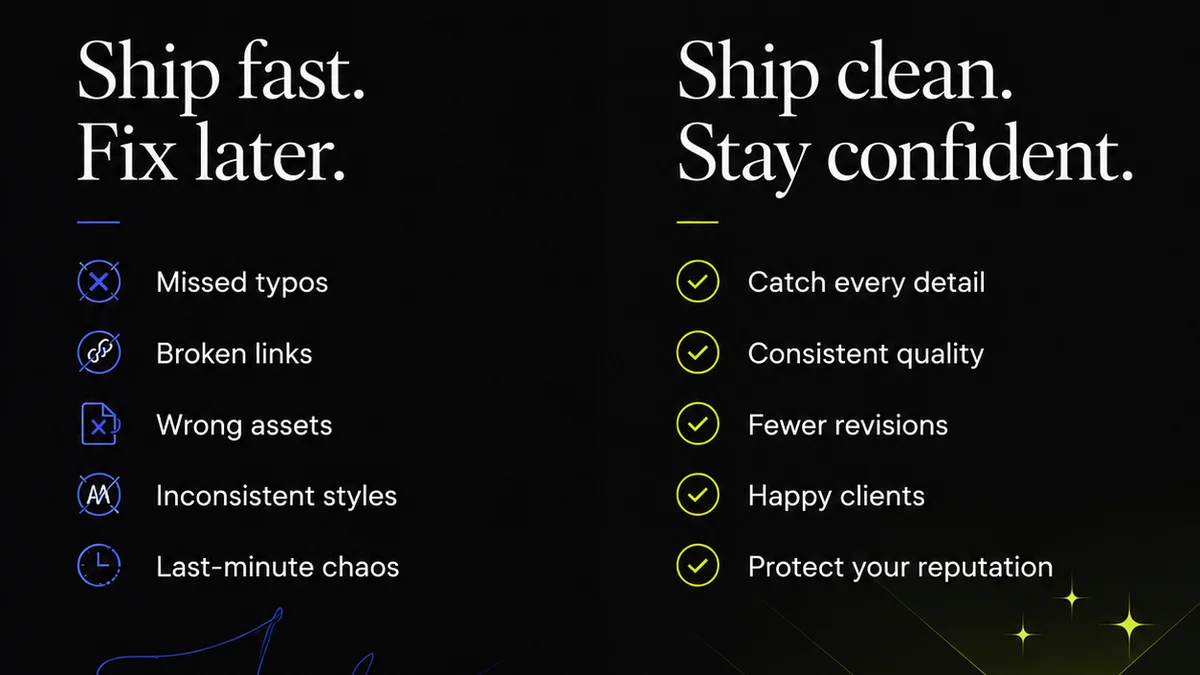
When asset management is an afterthought:
- Teams waste hours searching for files.
- Outdated assets get used, leading to costly rework.
- Brand consistency erodes across projects.
- Onboarding new team members becomes a scavenger hunt.
- Client feedback loops get longer because the right reference assets aren't easily accessible.
This isn't just inefficient; it's a direct hit to profitability and client satisfaction. Every minute lost is billable time that isn't billed.
2. Establishing a Single Source of Truth, Early and Often
The idea of a “single source of truth” sounds like corporate jargon. But for agencies, it’s the bedrock of efficient operations. It means everyone, on every project, is working from the same, definitive set of information and assets.
This starts with intake. When a new project kicks off, what assets are immediately required from the client? Brand guidelines? Logos? Previous campaign materials? These shouldn't be emailed over and buried in a shared drive.
They need to be ingested into a system that’s accessible to the core project team from day one. This system becomes the default reference point.
Integrating Assets into Project Briefs
A truly integrated approach means:
- Project briefs don't just describe the work; they link to or embed essential brand assets.
- Creative requests automatically pull approved logos and color palettes.
- Client portals are set up not just for feedback, but for easy access to approved brand collateral.
- Internal libraries are curated and version-controlled, not just dumped.
This proactive stance prevents the chaos that erupts when teams are working with phantom assets or outdated versions.
3. Version Control Isn't Optional, It's Survival
This is where most agencies stumble. They think they have version control because files are named `_v2_final_really_final.ai`. This is not version control; it's a cry for help.
Real version control means a system tracks every iteration. It logs who made changes, when, and why. Crucially, it allows you to revert to a previous state if something goes wrong.
For creative agencies, this is non-negotiable. You're dealing with complex files, multiple stakeholders, and subjective feedback. Mismanaging versions leads to:
- Sending the wrong creative to print.
- Revising a file that’s already been superseded.
- Endless
Frequently asked questions
What is the biggest mistake agencies make with asset management?
Treating asset management as a purely archival task after a project is complete, rather than integrating it into the active project workflow from the start.
How does asset management impact client satisfaction?
Effective asset management ensures brand consistency, reduces costly errors from using outdated files, and speeds up revision cycles, all of which contribute to a smoother client experience and higher satisfaction.
Can version control really prevent costly mistakes?
Absolutely. Robust version control systems track every change, allowing teams to revert to previous states if errors occur and ensuring everyone is working from the most current, approved version of a file, preventing costly rework or incorrect outputs.
What are the key components of an 'always-on' asset management system?
It involves clear organizational structures, robust version control, centralized access for all relevant team members, and integration with project management and feedback tools to make assets readily available throughout the creative process.