Everyone thinks the best agencies nail campaign design because they have the most talented designers, the latest software, or a secret creative process. None of that is wrong. But it’s incomplete.
The real differentiator? They don’t just design campaigns; they build campaign design systems. This shift from isolated assets to repeatable frameworks is the hard truth behind consistently brilliant, on-brand, and efficient campaign execution.
1. Beyond the Single Asset: Thinking Systemically
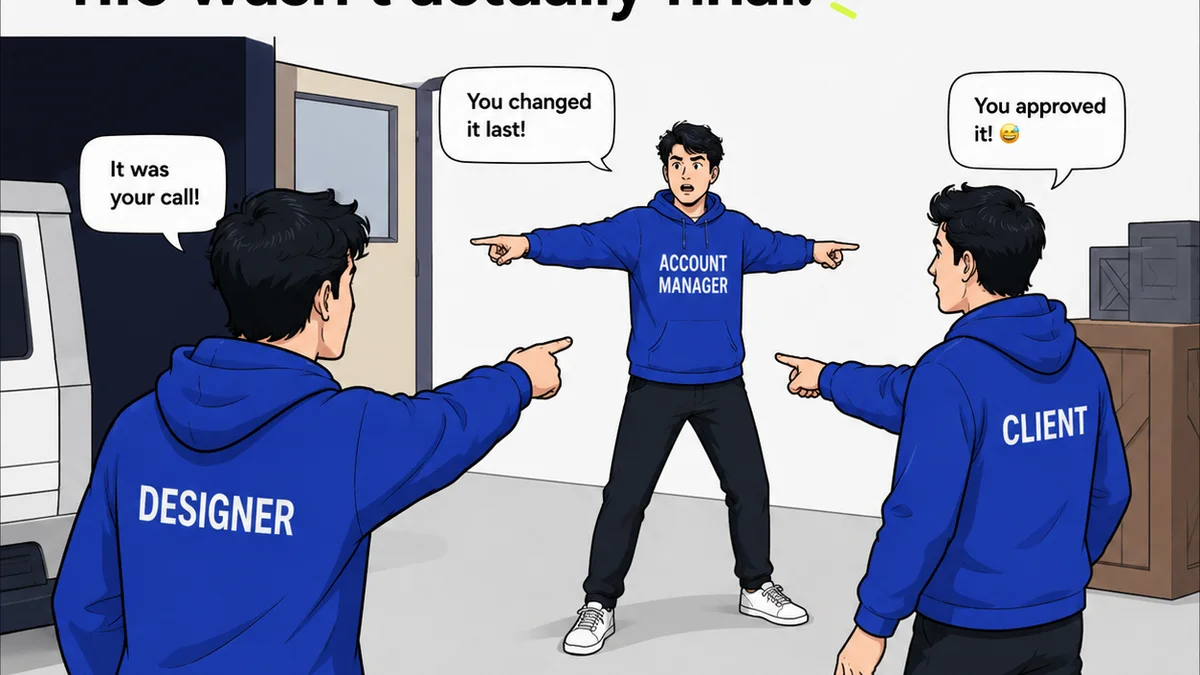
Most agencies treat campaign design as a series of individual deliverables. A banner ad here, a social post there, a landing page somewhere else. Each is designed from scratch, often with limited context of what came before or what comes next.
This leads to:
- Inconsistent visual language across touchpoints.
- Wasted time reinventing the wheel for common elements.
- Difficulties scaling creative output, especially under pressure.
- Client frustration when the campaign feels disjointed.
The best agencies flip this. They start with the campaign’s core strategic and visual DNA.
The Campaign DNA Framework
Before a single pixel is placed, they define:
- The Core Message: What’s the single, unwavering takeaway?
- The Visual Anchor: What’s the one, distinctive visual element that will represent the campaign everywhere? This could be a unique color palette, a specific graphic device, a custom typeface treatment, or a photographic style.
- The Tone of Voice: How does the campaign speak? Is it bold, playful, authoritative, empathetic?
- The Key Performance Indicators (KPIs): What does success look like, and how will design directly support it?
This foundational work isn’t just a brief addendum; it’s the bedrock upon which all subsequent creative is built.
2. Establishing a Design System for Campaigns
Once the DNA is set, the next step is translating it into a usable, scalable system. This isn’t a full-blown, enterprise-level design system like Google’s Material Design, but a campaign-specific, lightweight version.
Think of it as a “campaign style guide” on steroids.
Key Components of a Campaign Design System
- Component Library: Pre-designed, reusable elements for common campaign needs. This includes:
- Headline treatments
- Call-to-action (CTA) buttons and modules
- Iconography and illustration styles
- Image treatments (e.g., how to apply overlays, filters)
- Layout grids for different formats (social, web, print)
- Brand Guidelines Addendum: Specific rules for how the campaign DNA interacts with the client’s master brand. What’s flexible? What’s non-negotiable?
- Content Templates: Ready-to-go templates for social posts, email newsletters, ad units, etc., all pre-formatted according to the system.
- Asset Generation Rules: Clear instructions on how to adapt core elements for new platforms or formats without breaking the system.
This system acts as a blueprint. Designers aren’t starting from zero; they’re assembling and adapting components within a defined, on-brand structure.
3. The Workflow: From System to Execution
Having a system is one thing; integrating it into a smooth workflow is another. The best agencies build their processes around their campaign design systems.
Iterative Design and Feedback Loops
The initial design phase focuses on establishing the system’s core components and templates. This is where much of the strategic thinking and creative exploration happens.
Once the system is approved:
- Designers use the components and templates to rapidly generate campaign assets.
- Client feedback is focused on the system’s application and specific content, not on fundamental design choices that have already been agreed upon.
- Revisions are faster because changes often involve swapping components or adjusting parameters within the system, rather than rebuilding from scratch.
This structured approach minimizes subjective debates about aesthetics and keeps the focus on strategic alignment and effectiveness.
Quality Assurance (QA) as a System Check
QA becomes less about spotting individual errors and more about verifying adherence to the campaign design system. Does the asset follow the established rules? Is the visual anchor present and correctly implemented? Are the CTAs clear and on-brand?
This systematic QA ensures:
- Consistency across all deliverables.
- Brand integrity is maintained, even with high-volume output.
- Fewer last-minute “gotchas” before launch.
4. The Human Element: Collaboration and Ownership
A campaign design system isn't just about tools and templates; it's about how people use them.
Empowering Junior Talent
Well-defined systems enable less experienced designers to contribute effectively. They can follow the established patterns and use pre-built components, allowing them to produce high-quality work under guidance.
This frees up senior talent to focus on:
- Strategic problem-solving.
- Complex creative challenges.
- Mentoring and oversight.
Client Collaboration
When clients understand the campaign design system, collaboration becomes more productive. They see the logic behind the creative choices and can provide feedback within the agreed-upon framework.
This leads to:
- Fewer arbitrary requests for changes.
- Increased client confidence in the agency’s process.
- A shared sense of ownership over the campaign’s success.
Where Revue Fits In
Managing a campaign design system and its myriad assets requires robust workflow tools. Revue is built for this reality.
Instead of endless email threads and scattered files, Revue centralizes client feedback directly on the creative assets. This means:
- Clear Accountability: Every comment is tied to a specific version and stakeholder.
- Streamlined Revisions: Designers can quickly see what needs adjustment, reducing ambiguity.
- Visible Approvals: Track the progress of sign-offs, ensuring nothing slips through the cracks.
- Centralized Proofing: All campaign iterations live in one place, serving as a clear audit trail and a reference for the design system's application.
This level of clarity and control is essential for executing complex campaigns efficiently and maintaining the integrity of the design system.
Final Thought
Building a campaign design system is an investment. It requires upfront strategic thinking and disciplined execution. But the payoff is immense: faster turnarounds, more consistent creative, happier clients, and a more scalable, profitable agency.
Are you designing campaigns, or are you building campaign empires?
Frequently asked questions
What’s the difference between a campaign design system and a brand style guide?
A brand style guide covers the overall brand identity. A campaign design system is a more focused, temporary framework built for a specific campaign, detailing how brand elements are applied and extended across campaign-specific assets and touchpoints for consistency and efficiency.
How do you get clients to buy into building a campaign design system?
Focus on the benefits: faster execution, greater consistency, reduced revision cycles, and ultimately, a stronger, more cohesive campaign. Show them how it prevents costly mistakes and ensures their message lands effectively across all channels.
Do I need a complex tool to manage a campaign design system?
Not necessarily. While robust tools like Revue help manage feedback and approvals, the system itself can be documented in a clear, concise guide. The key is clear rules, reusable components, and consistent application, supported by efficient communication and review processes.
How long does it take to build a campaign design system?
It varies, but the core setup can often be done within a few days to a week, depending on campaign complexity. The real value comes from its ongoing application throughout the campaign's lifecycle, making subsequent asset creation much faster.