Everyone thinks managing enterprise creative teams is about keeping the trains running on time. Deadlines, budgets, resource allocation. That’s all crucial, of course.
But it’s not the whole story.
The real challenge? Orchestrating a symphony of competing interests, opaque processes, and high-stakes approvals, all while trying to produce exceptional creative work. It’s less about ticking boxes and more about navigating a political and operational minefield.
1. Defining 'Enterprise Creative' and Its Unique Hurdles
When we talk about enterprise creative teams, we’re not talking about a small agency shop. We’re talking about internal teams within massive organizations, or large agency teams servicing Fortune 500 clients. The scale is different. The stakes are higher.
The common assumption is that these teams operate with more resources, more structure, and therefore, fewer problems. That’s often wishful thinking.
The Complexity Multiplier
Enterprise environments come with inherent complexities that smaller operations rarely face:
- Bureaucracy: Multiple layers of approval, legal reviews, brand governance, and procurement processes can grind creative momentum to a halt.
- Stakeholder Overload: You’re not just dealing with one client contact. You’re managing input from marketing, legal, product, sales, and sometimes even C-suite executives. Each has their own agenda and definition of ‘done.’
- Brand Consistency at Scale: Ensuring a unified brand voice and visual identity across hundreds of campaigns, product lines, and regional markets is a monumental task.
- Legacy Systems & Processes: Large organizations are often saddled with outdated tools and entrenched workflows that resist innovation and efficiency.
- Internal Politics: Navigating departmental rivalries, budget battles, and shifting strategic priorities adds another layer of difficulty.
These aren't minor inconveniences. They are fundamental operational challenges that require a different approach to management.
2. The Hard Truth: It's All About Process Visibility and Control
The single biggest differentiator between a smoothly running enterprise creative team and one that’s constantly in crisis is process visibility and control.
Without it, you’re flying blind.
You can’t track where feedback is coming from, who’s responsible for the next step, or why a project is suddenly stalled. This lack of clarity breeds frustration, missed deadlines, and ultimately, compromises the creative output.
The Cost of Opacity
When processes are hidden or fragmented, the consequences are severe:
- Endless Revision Cycles: Feedback gets lost, misinterpreted, or ignored, leading to multiple rounds of unnecessary revisions.
- Missed Deadlines: Bottlenecks appear without warning because no one has a clear view of the entire workflow.
- Scope Creep: Uncontrolled feedback and changing requirements lead to projects ballooning beyond their original scope and budget.
- Eroded Client/Stakeholder Trust: When you can’t provide clear updates or explain delays, confidence in your team’s ability diminishes.
- Team Burnout: Creative professionals are often forced to chase down information, chase down approvals, and work late nights to compensate for systemic inefficiencies.
The solution isn’t to work harder. It’s to work smarter, with systems that bring order to the chaos.
3. Strategic Pillars for Enterprise Creative Management
Effective management in this environment requires a strategic, multi-pronged approach. It’s about building robust systems that can withstand the pressures of enterprise complexity.
3.1. Centralize Communication and Feedback
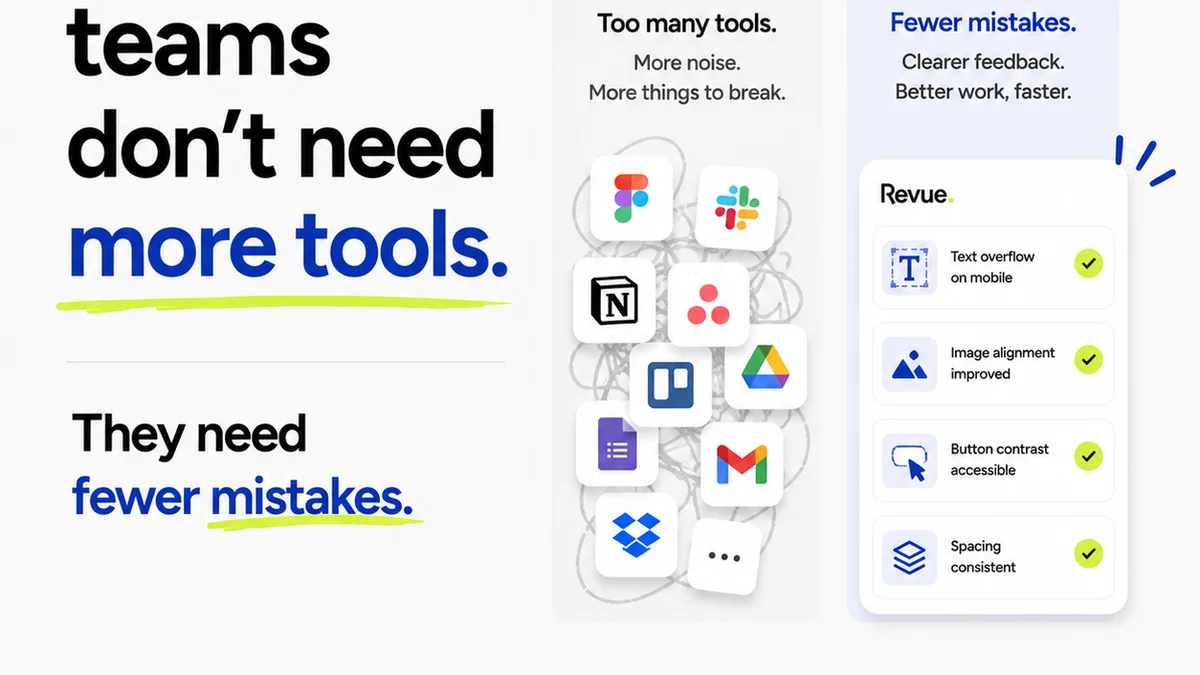
Scattered emails, Slack messages, and hallway conversations are the enemy of efficiency. You need a single source of truth for all project-related communication and feedback.
This means establishing clear channels and protocols:
- Mandatory Centralized Platform: All feedback must be logged within a dedicated system. No exceptions.
- Structured Feedback: Train stakeholders on how to provide clear, actionable, and consolidated feedback. Vague comments like “make it pop” are useless.
- Designated Feedback Providers: Identify key decision-makers and limit feedback to those individuals to avoid conflicting input.
- Version Control Clarity: Ensure every piece of feedback is tied to a specific version of the creative asset.
This discipline prevents the dreaded
Frequently asked questions
What are the biggest challenges in managing enterprise creative teams?
The primary challenges include navigating complex approval hierarchies, managing diverse stakeholder expectations, maintaining brand consistency across numerous touchpoints, dealing with legacy systems, and mitigating internal politics.
How can agencies improve feedback quality from enterprise clients?
Establish clear feedback protocols, designate specific points of contact for approvals, train stakeholders on providing actionable input, and utilize a centralized platform where all feedback is logged and attributed to specific asset versions.
Why is process visibility crucial for enterprise creative workflows?
Process visibility is crucial because it allows teams to identify bottlenecks, track progress accurately, manage stakeholder expectations, prevent scope creep, and ensure timely delivery, ultimately leading to better creative output and stronger client trust.
How can technology help manage enterprise creative projects?
Technology, particularly project management and feedback centralization tools, can provide a single source of truth, automate workflows, improve communication, track revisions, and offer real-time visibility into project status, significantly reducing manual overhead and errors.