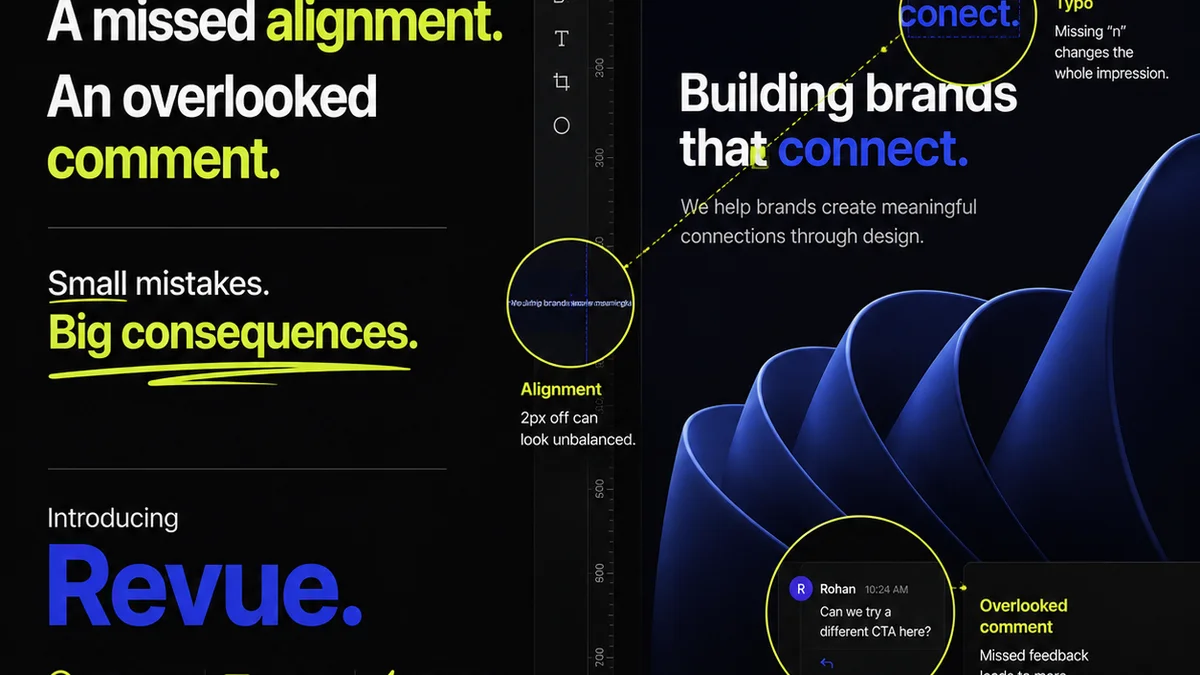
Everyone agrees that good agency management is crucial. You hear it everywhere: hire smart people, foster a great culture, keep clients happy, deliver great work.
None of that is wrong. But it’s incomplete.
The hard truth? Without a concrete, repeatable framework, even the best intentions devolve into reactive firefighting. You’re not managing; you’re responding. This framework isn’t about rigid rules; it’s about building an operating system for your agency that allows for creativity to flourish without sacrificing profitability or sanity.
1. Define Your Agency's Operating System
Think of this as the foundational layer. What are the core processes that govern how work gets done, how clients are managed, and how your team functions? This isn’t about reinventing the wheel, but about formalizing what works and identifying what doesn’t.
The Core Pillars
- Client Acquisition & Onboarding: How do you vet leads? What’s your proposal process? How do you set expectations from day one?
- Project Scoping & Planning: This is where many agencies fail. Vague scopes lead to scope creep, unhappy clients, and burned-out teams.
- Creative Workflow & Production: From brief to final delivery, what are the steps? Who is responsible at each stage?
- Feedback & Revisions: How is feedback collected, consolidated, and acted upon? This is a notorious bottleneck.
- Approvals & Delivery: How are final sign-offs secured? What does successful project closure look like?
- Financial Management: Time tracking, invoicing, profitability analysis – these need to be baked in.
- Team Management & Development: Performance reviews, skill development, resource allocation.
Your operating system should be documented. Not a 200-page manual, but a living, accessible guide your team can reference.
2. Standardize Your Project Lifecycle
Projects are the engine of your agency. Standardizing their journey from inception to completion creates predictability and efficiency. This reduces the mental load on your team and minimizes errors.
Phases of Project Execution
- Discovery & Strategy: Deep dive into the client’s business, goals, and target audience. Define KPIs.
- Concept & Design: Ideation, mood boards, initial concepts, wireframes, mockups.
- Development & Production: Building out the assets, coding, writing, filming, etc.
- Review & Iteration: Internal reviews, client feedback rounds, revisions.
- Testing & QA: Ensuring everything functions as intended and meets quality standards.
- Launch & Deployment: Going live.
- Post-Launch Analysis & Handover: Performance reporting, final documentation, and client transition.
Each phase should have clear deliverables and defined entry/exit criteria. This prevents projects from getting stuck or moving forward prematurely.
The Power of Templates
Use templates for briefs, project plans, status reports, and even client communication. This saves time and ensures consistency.
3. Master Client Feedback and Revisions
This is where creative agencies bleed profitability. Unstructured feedback, endless revision rounds, and miscommunication are rampant.
A Better Way to Handle Feedback
- Centralize Everything: All feedback must live in one place. Avoid email chains, Slack messages, and random sticky notes.
- Define Revision Rounds: Clearly state the number of revision rounds included in the scope.
- Consolidate Feedback: The project manager or account lead should be the single point of contact for consolidating client feedback. They then communicate it clearly to the creative team.
- Ask Clarifying Questions: If feedback is vague (“make it pop”), push for specifics. What does “pop” mean in this context?
- Use Visual Annotation Tools: Tools that allow clients to click directly on an image or video and leave comments are invaluable.
This isn't about limiting client input; it's about making the process efficient and actionable.
4. Implement Robust Quality Assurance (QA)
You wouldn't launch a buggy app or a website with broken links. Why let subpar creative work slip through?
QA Checkpoints
- Internal Creative Review: Before any client sees it, have a senior creative or CD review the work against the brief.
- Technical QA: For digital projects, this means cross-browser testing, mobile responsiveness checks, and functionality testing.
- Content & Copy Review: Proofreading for typos, grammatical errors, and factual accuracy.
- Brand Consistency Check: Does the work align with the client’s brand guidelines?
- Accessibility Audit: Increasingly important, especially for web projects.
QA isn't an afterthought; it's a critical gate before client delivery.
5. Track and Analyze Performance
You can’t improve what you don’t measure. This applies to projects, client satisfaction, and overall agency health.
Key Metrics to Monitor
- Project Profitability: Track hours spent vs. budget for every project.
- Client Satisfaction Scores (CSAT): Simple surveys post-project can yield valuable insights.
- Team Utilization Rates: Are your people busy, but not overbooked?
- On-Time Delivery Rate: How often are projects completed by the agreed-upon deadline?
- New Business Conversion Rate: How effectively are you closing deals?
Regularly review these metrics. Use them to identify bottlenecks, areas for improvement, and opportunities for growth.
Where Revue Fits In
Managing creative workflows, feedback, and approvals can quickly become a tangled mess without the right tools. This is precisely why Revue was built.
Revue acts as your central hub for all creative assets and client interactions. Imagine:
- Centralized Feedback: Clients leave comments directly on the asset, eliminating email chains and version control chaos.
- Clear Revision Tracking: See exactly what feedback has been addressed, what’s pending, and what’s been approved.
- Streamlined Approvals: Formal sign-offs happen within the platform, providing a clear audit trail.
- Integrated QA: Ensure all team members have access to the latest versions and can perform their checks efficiently before final delivery.
By bringing these critical elements into one streamlined system, Revue helps you enforce your agency’s operating system, standardize project lifecycles, and ultimately deliver better work, faster, with less friction.
Final Thought
Agency management isn't a set-it-and-forget-it task. It's an ongoing process of refinement. Are you building a system that supports your team and your clients, or are you constantly reacting to the latest fire? The difference is a framework.
Frequently asked questions
What is the most common mistake agencies make in management?
The most common mistake is relying on ad-hoc processes rather than a defined, repeatable framework. This leads to inconsistency, scope creep, and burnout.
How can I improve client feedback processes?
Centralize all feedback in one tool, clearly define the number of revision rounds, consolidate comments, and use visual annotation tools to get specific. Avoid scattered communication across emails and chats.
Why is Quality Assurance (QA) important for agencies?
QA ensures that the work delivered meets the highest standards before it reaches the client. It prevents errors, maintains brand consistency, and reduces the need for last-minute fixes, protecting your agency's reputation and profitability.
How does a framework help with agency profitability?
A framework standardizes processes, reduces wasted time on rework and miscommunication, improves project scoping, and enables better tracking of hours and budgets, all of which contribute directly to improved project profitability and overall agency financial health.