Everyone thinks agency management is about client relationships. And yes, that’s a piece of the puzzle. Everyone also thinks it’s about keeping your creative teams busy. Also true. But focusing only on these two things is like trying to build a skyscraper with only a hammer and nails. You’ll get nowhere fast.
The hard truth? Effective agency management is a deeply operational discipline. It’s about building robust systems that handle the chaos, predict the pitfalls, and ensure profitable, sustainable growth. It’s about the engine room, not just the captain’s deck.
1. The Illusion of 'Busy' vs. The Reality of 'Profitable'
Agencies often confuse activity with productivity. A team that’s constantly churning out work *looks* busy. But is that work profitable? Are you tracking the actual hours spent against the project budget? Are you accounting for the internal revisions, the stakeholder meetings, the “quick chats” that turn into hours of work?
This is where many beginner agencies stumble. They operate on a handshake and a prayer, assuming that if the client is happy, the money will just flow. It doesn’t work that way.
The Cost of Doing Business (That Isn't Billable)
- Unforeseen scope creep.
- Internal alignment meetings that could have been an email.
- Rework due to unclear initial briefs.
- Team members waiting for feedback.
- Underestimating the complexity of a task.
These aren't minor inconveniences; they are direct drains on your profitability. You need systems to identify, quantify, and mitigate them. Otherwise, you’re just running a charity with expensive equipment.
2. Client Management: From Relationship to Process
Client relationships are vital. But relying solely on personality and goodwill is a fragile strategy. What happens when your key contact leaves? What happens when personalities clash? What happens when you’re managing multiple clients with different communication styles and expectations?
The answer is process. You need to establish clear, repeatable processes for every client interaction, from onboarding to final delivery.
Onboarding Done Right
- Standardized client questionnaires.
- Defined communication channels and response times.
- Clear scope of work and change order procedures.
- Kick-off meeting agendas that set expectations.
This isn't about being rigid; it's about creating a predictable framework that allows for flexibility within defined boundaries. It protects both you and the client.
Feedback Loops: The Double-Edged Sword
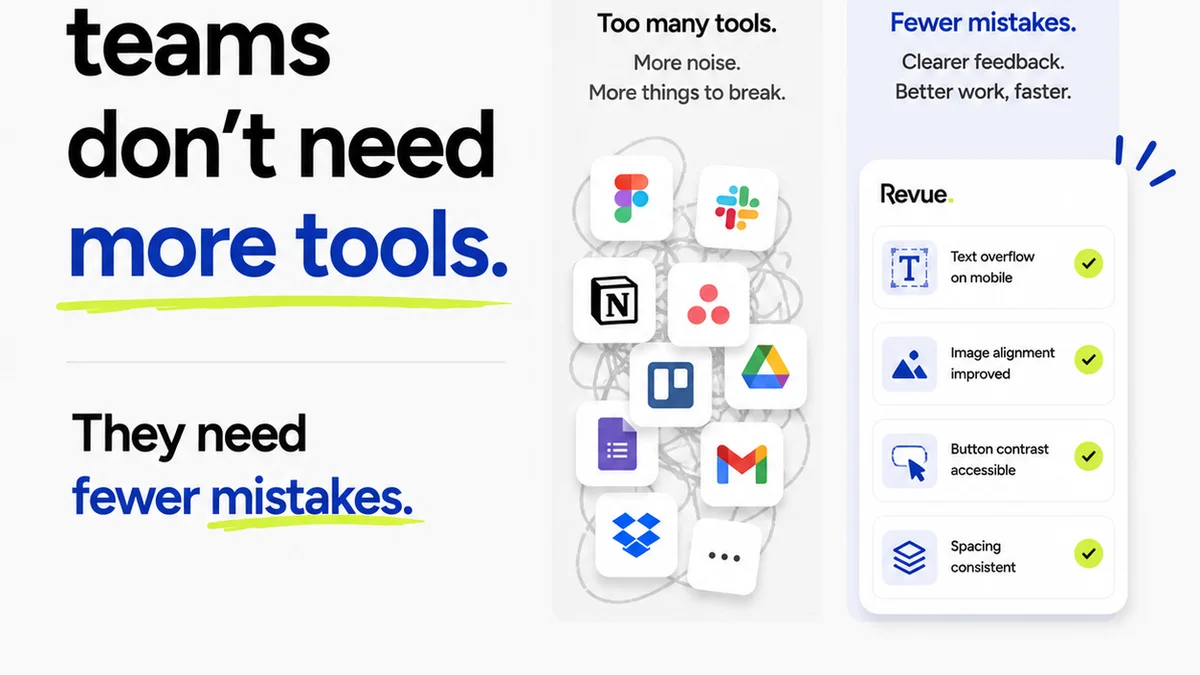
Feedback is essential for creative work. But unmanaged feedback is a fast track to project delays and spiraling costs. You need a system to collect, organize, and act on feedback efficiently.
This means establishing:
- Designated points of contact for feedback.
- Clear deadlines for feedback submission.
- A structured way to present revisions.
- Protocols for handling conflicting feedback from multiple stakeholders.
Without this, you’re at the mercy of a client’s sporadic availability and often vague comments. “I don’t like it” is not actionable feedback. “The blue is too dark, and it doesn’t convey trustworthiness” is.
3. Project Management: From Chaos to Clarity
The creative process is inherently messy. But project management doesn't have to be. Many agencies operate with a
Frequently asked questions
What's the biggest mistake new agencies make in management?
The biggest mistake is confusing activity with profitability. Many new agencies focus on keeping everyone busy and clients happy without rigorously tracking project costs, scope creep, and internal inefficiencies. This leads to projects that don't actually make money, even if they're delivered on time.
How can I improve client feedback processes?
Establish clear protocols for feedback. Designate specific points of contact for feedback, set clear deadlines for submission, and use structured methods for presenting revisions. Always ensure feedback is actionable and tied back to the project brief and objectives.
What is the role of technology in agency management?
Technology is crucial for streamlining operations. Tools for project management, client communication, time tracking, and feedback centralization automate tasks, improve visibility, and reduce errors. They enable you to scale your agency without proportional increases in administrative overhead.
How do I balance creative freedom with project constraints?
Set clear project parameters and objectives upfront. While allowing space for creative exploration, ensure all creative decisions are evaluated against the brief, budget, and timeline. Regular check-ins and structured approval gates help keep the creative process focused and efficient.