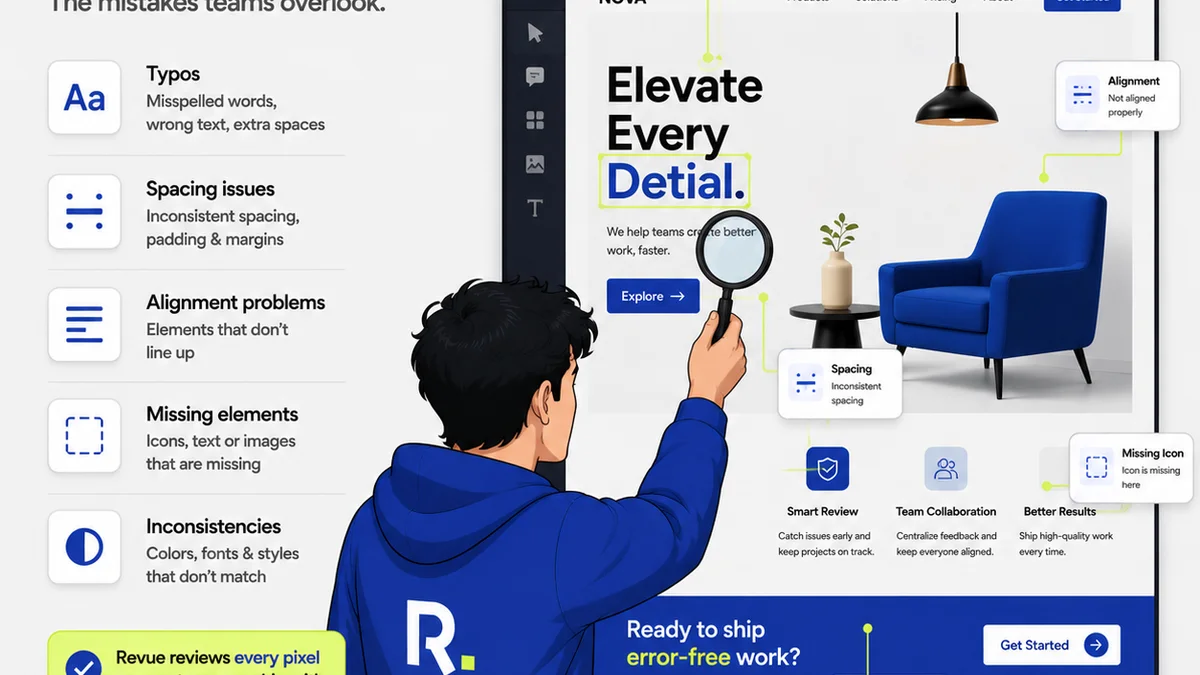
Most agency leaders think managing their team and projects is about having the right software. Project management tools, time trackers, communication apps – the usual suspects. They buy into the idea that if they just implement the latest tech stack, everything will magically fall into place. Efficiency will soar. Clients will be happier. Profits will climb.
None of that is wrong. But it’s incomplete.
The hard truth is that agency management isn’t about the tools. It’s about the system you build *around* those tools. And most agencies get the system wrong. They focus on individual tasks instead of the entire workflow. They chase features instead of outcomes. They treat symptoms, not the disease.
1. The Illusion of Control: Chasing Features, Not Flow
It’s easy to get seduced by the shiny new features of a project management tool. Gantt charts! Kanban boards! Automated reports! Each feature promises to solve a specific problem. But without a cohesive system, these features become isolated islands of activity. They don’t talk to each other. They don’t talk to your clients. They don’t talk to your bottom line.
This leads to:
- Information silos where data lives in different apps and never connects.
- Wasted time manually transferring information between systems.
- A lack of holistic visibility into project health and team capacity.
- Constant firefighting because you’re reacting to problems, not preventing them.
The real goal isn’t to manage tasks. It’s to manage the flow of work from brief to final delivery, ensuring quality and profitability at every step.
2. The Feedback Black Hole: Where Good Intentions Go to Die
Client feedback is the lifeblood of any creative agency. But it’s also a notorious bottleneck. Most agencies handle feedback haphazardly. Emails get lost. Comments are buried in Slack threads. Stakeholders provide conflicting input across different channels.
This isn’t just annoying; it’s a direct threat to your profitability and client relationships.
Think about it:
- How much time do your producers and account managers spend chasing down feedback?
- How often do revisions spiral because the original input was unclear or missed?
- How much rework is caused by misinterpretations or outdated versions?
Without a structured way to capture, organize, and act on feedback, you’re essentially operating in the dark. Every revision cycle becomes a gamble.
The Cost of Ambiguity
Ambiguous feedback is expensive. It leads to:
- Endless revision rounds that eat into your margins.
- Frustrated clients who feel their input isn’t being heard.
- Demotivated teams stuck on rework instead of new, exciting projects.
- Missed deadlines and unhappy stakeholders.
Your system needs to make feedback clear, actionable, and auditable. Not an afterthought.
3. Revision Roulette: The Approval Abyss
Approvals are the gatekeepers of progress. But many agencies treat them as an optional step, or worse, a black box. A project manager might send a link, and then… wait. And wait some more.
This lack of a clear, visible approval process creates massive friction.
Consider the common pitfalls:
- No defined timeline for client approvals, leading to endless waiting.
- Lack of clarity on *who* needs to approve what and when.
- Difficulty tracking the status of approvals – is it pending, rejected, or approved?
- No easy way to communicate approval status to the internal team.
This leads to teams sitting idle, waiting for the green light, while clients feel pressured or confused. It’s a recipe for missed deadlines and strained relationships.
A robust agency management system makes approvals transparent. Everyone knows the status, the deadlines, and the next steps. It removes the guesswork and keeps momentum.
4. The Quality Control Conundrum: Is It *Really* Ready?
Quality control is often the first thing to get squeezed when deadlines loom. It’s seen as a luxury, not a necessity. But skipping QC is a false economy.
What does poor QC look like in practice?
- Minor typos or formatting errors slipping into final client deliverables.
- Technical glitches in digital assets that only appear post-launch.
- Brand guideline violations that dilute client messaging.
- Inconsistent application of feedback across different assets.
These aren’t just aesthetic issues. They erode client trust and reflect poorly on your agency’s professionalism. Your reputation is built on the quality of your output, not just the speed at which you deliver it.
A solid management system incorporates quality checks at key stages. It ensures that every deliverable meets a defined standard before it ever reaches the client.
Where Revue Fits In
Most agencies are trying to patch together a system using disparate tools. They’re trying to force a workflow that wasn’t designed for creative collaboration and client review. This is where Revue changes the game.
Revue isn’t just another project management tool. It’s a centralized hub designed specifically for the creative workflow. It brings clarity to the chaos by:
- Centralizing Client Feedback: All feedback, comments, and annotations live in one place, tied directly to the asset. No more hunting through emails or Slack.
- Streamlining Revisions & Approvals: Clearly track who needs to review, when they need to do it, and the status of each approval. Visible to both your team and the client.
- Ensuring Quality Checks: Integrate defined review stages and checklists to catch errors and ensure brand consistency before final delivery.
By focusing on the *system* of creative collaboration, Revue helps you move beyond feature checklists and build a truly efficient, transparent, and profitable agency.
Final Thought
Are you managing tasks, or are you managing your agency’s success? The difference lies in building a cohesive system, not just collecting tools. It’s time to stop chasing features and start building flow.
Frequently asked questions
What's the biggest mistake agencies make in management?
The biggest mistake is focusing on individual tools rather than the overarching system. Agencies often buy multiple software solutions hoping they'll solve workflow issues, but without a cohesive strategy connecting them, they create silos and inefficiencies.
How does poor client feedback management impact an agency?
Poor feedback management leads to endless revision rounds, wasted time chasing input, misinterpretations, and ultimately, reduced profit margins. It also damages client relationships and team morale.
Why are clear approval processes so critical for agencies?
Clear approval processes prevent bottlenecks, keep projects moving, and manage client expectations. Without them, teams can sit idle, deadlines can be missed, and confusion can arise about project status.
Can better management reduce rework in an agency?
Absolutely. A well-defined system that centralizes feedback, clarifies approvals, and includes quality checks at key stages significantly reduces rework by ensuring clarity and accuracy from the outset.