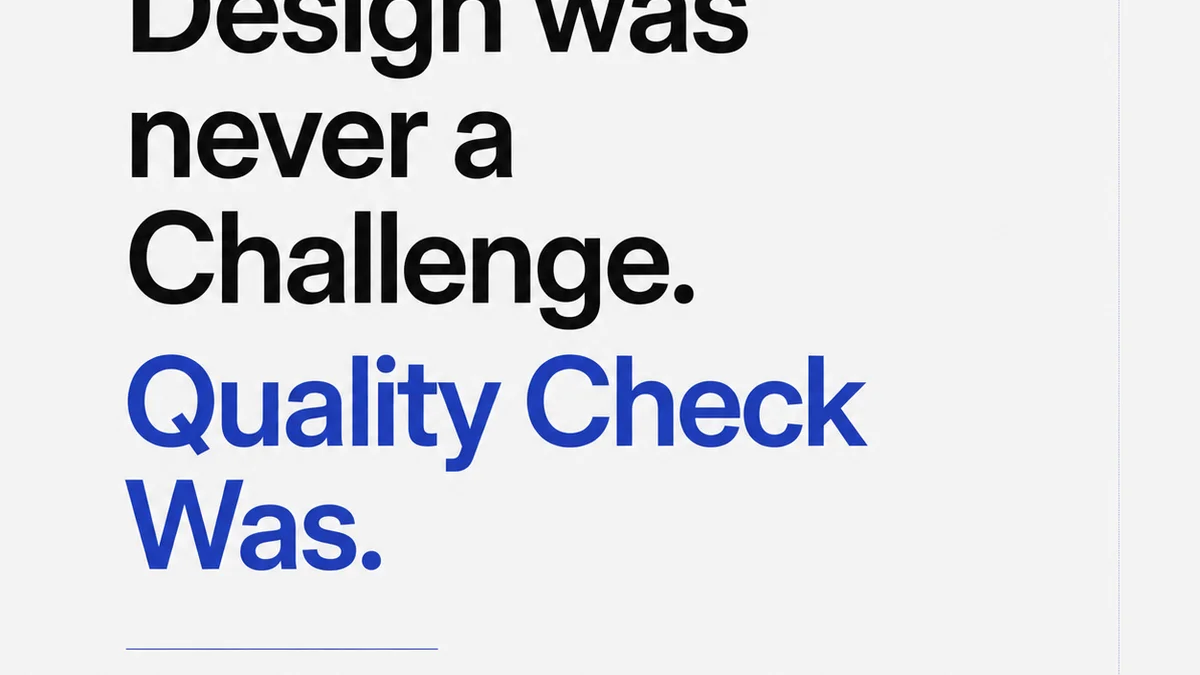
Everyone talks about growth. More clients, bigger projects, higher revenue. That’s the dream, right?
But chasing growth without a solid operational backbone is like building a skyscraper on sand. It looks impressive for a while, then it crumbles.
The real secret to sustainable growth isn’t just about sales. It’s about operational resilience.
The Hard Truth About Agency Growth
Most agencies get this wrong. They focus on the top line – revenue – and assume operations will just… sort themselves out. They think a bigger team or a new CRM will fix everything.
None of that is wrong. But it’s incomplete.
The deeper truth is that unchecked growth strains your systems, your people, and your sanity. Without robust operations, growth becomes the enemy of quality, profitability, and your own well-being.
Sustainable growth means building an agency that can absorb success, not just chase it.
1. Client Management: Beyond the Pitch
Assumption: Great client relationships are built on creative brilliance alone.
This is where most agencies falter. You win the client with a killer pitch and amazing creative. Then reality hits.
Scope creep. Unclear feedback. Missed deadlines. Internal miscommunication. These aren't creative problems; they're operational ones.
Your client management system needs to be as sharp as your design aesthetic. It’s about setting expectations, managing communication, and delivering reliably, project after project.
Symptoms of Weak Client Management:
- Endless rounds of revisions because feedback is vague.
- Clients going dark or becoming unresponsive.
- Project scope expanding without corresponding budget increases.
- Internal teams constantly chasing down client approvals.
- Late payments due to unclear invoicing or disputed deliverables.
The Fix: Formalize Everything
This isn't about being bureaucratic. It's about clarity and efficiency.
- Onboarding: Have a standardized client onboarding process. This includes kickoff meetings, defining project scope, establishing communication channels, and setting clear approval workflows.
- Feedback Loops: Implement a structured feedback process. Define who provides feedback, when, and how. Use tools that centralize comments and track revisions.
- Approval Gates: Clearly define what constitutes final approval and what happens after. Make it non-negotiable.
- Communication Cadence: Set expectations for check-ins and reporting. Don't leave clients guessing about project status.
- Offboarding: A formal project wrap-up ensures all deliverables are signed off, final payments are made, and lessons learned are captured.
2. Project Workflow: From Brief to Billable
Assumption: We can wing it if the talent is good.
Talent is crucial. But talent without process is chaos waiting to happen.
A disorganized workflow leads to missed steps, duplicated effort, and burnout. It’s the silent killer of agency profitability.
Your project management system isn't just a task list; it's the engine of your agency. It needs to be predictable, repeatable, and efficient.
Symptoms of Workflow Breakdown:
- Creative teams constantly waiting on assets from other departments.
- Project managers spending more time chasing people than managing projects.
- Inconsistent quality across projects due to varying processes.
- Team members working late nights to catch up on missed steps.
- Difficulty in accurately estimating project timelines and budgets.
The Fix: Standardize and Automate
Map out every stage of your typical project lifecycle. Then, build systems around it.
- Project Briefs: Standardize your brief template. Ensure it captures all necessary information before work begins.
- Task Management: Use a project management tool religiously. Break down projects into clear tasks with owners and deadlines.
- Resource Allocation: Have a clear view of team capacity. Avoid over-scheduling individuals or teams.
- Quality Assurance (QA): Build QA checkpoints into every stage, not just at the end. Define what constitutes a
Frequently asked questions
What are the key components of agency operations?
Key components include client management, project workflow, financial management, team structure and development, and technology stack optimization.
How can agencies improve client feedback processes?
Agencies can improve feedback by implementing structured feedback loops, using centralized annotation tools, defining clear approval workflows, and setting expectations for feedback turnaround times.
What is the role of technology in agency operations?
Technology streamlines workflows, centralizes communication, automates repetitive tasks, improves resource allocation, and provides valuable data for decision-making. Tools like Revue are essential for managing feedback and approvals efficiently.
How does financial management impact agency growth?
Sound financial management ensures profitability, enables strategic investment in growth, manages cash flow effectively, and provides the data needed to make informed business decisions. It prevents growth from outstripping financial capacity.