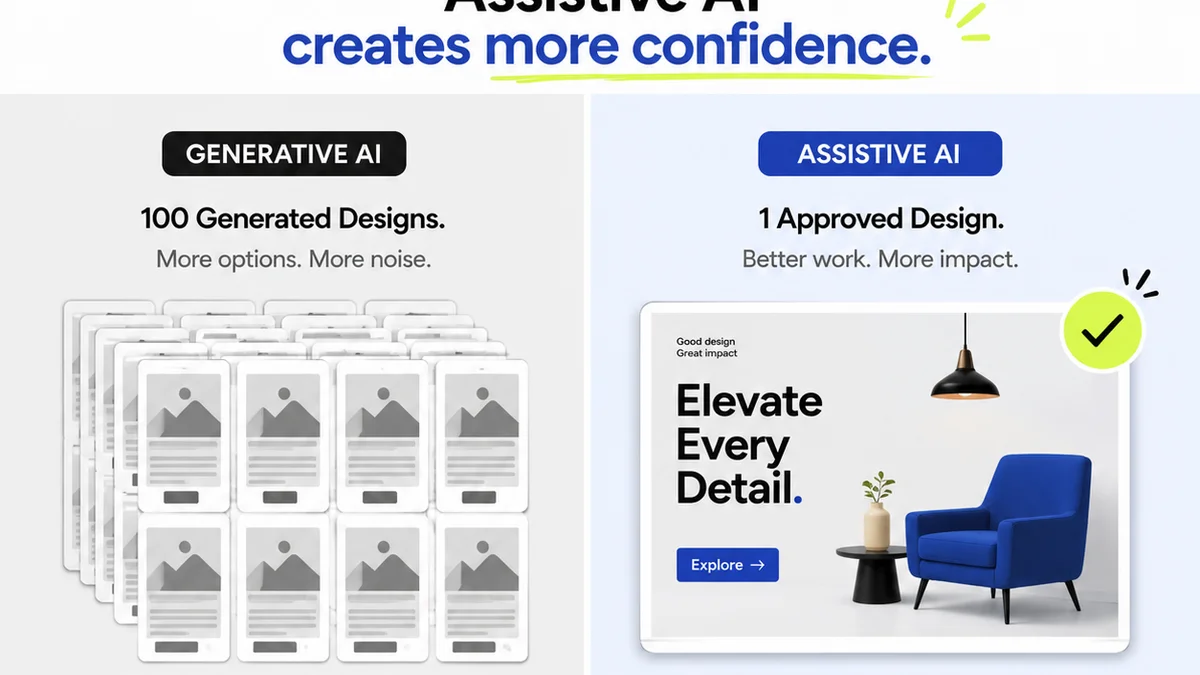
Most agencies think quality management is about process. Checklists, templates, sign-offs, maybe a style guide or two. None of that is wrong. But it’s incomplete.
The real differentiator for world-class agencies isn't just having processes; it's how those processes are embedded into the very fabric of their operations, making quality an outcome, not a task.
1. Quality Isn't a Department, It's a Culture
You can't delegate quality. It's not the job of a QA team, a project manager, or even the creative director alone. It's everyone's responsibility, from the intern to the CEO.
This means fostering an environment where excellence is the default, not the exception. Where constructive feedback is welcomed, and mistakes are seen as learning opportunities, not failures to be hidden.
The Cost of Poor Quality Culture
- Missed deadlines due to rework.
- Damaged client relationships from inconsistent output.
- Team burnout from constant firefighting.
- Lowered profit margins due to wasted time and resources.
- Stagnant agency reputation and growth.
A strong quality culture starts with leadership setting the standard and consistently reinforcing its importance through actions, not just words.
2. Feedback Loops Are Your Lifeline
Client feedback is gold. But only if it's captured, understood, and acted upon effectively. Too often, feedback gets lost in email chains, Slack messages, or casual conversations.
World-class agencies treat feedback as a critical data stream. They have systems to ensure it's centralized, organized, and accessible to everyone who needs it.
This isn't just about getting client approval. It's about understanding their evolving needs, identifying potential issues early, and continuously improving the work.
Symptoms of Broken Feedback Loops
- Multiple versions of the same file circulating.
Frequently asked questions
What is the difference between quality control and quality assurance in an agency?
Quality control (QC) typically involves inspecting the work *after* it's done to catch errors. Quality assurance (QA) is about building processes and systems to *prevent* errors from happening in the first place. World-class agencies focus heavily on QA as a proactive measure.
How can a small agency implement quality management without a dedicated QA team?
Embed quality checks into every stage of the workflow. Use checklists for common tasks, conduct peer reviews, and ensure clear, documented feedback loops. Centralizing feedback and revisions, as Revue enables, is key for smaller teams.
What are the most common quality issues in creative agencies?
Common issues include scope creep, misinterpretation of client briefs, inconsistent branding, technical errors (e.g., broken links, unoptimized files), and missed deadlines due to poor planning or rework.
How does client communication impact quality management?
Clear, consistent, and centralized client communication is vital. It ensures everyone is aligned on objectives, feedback is captured accurately, and misunderstandings are minimized, directly preventing quality issues.