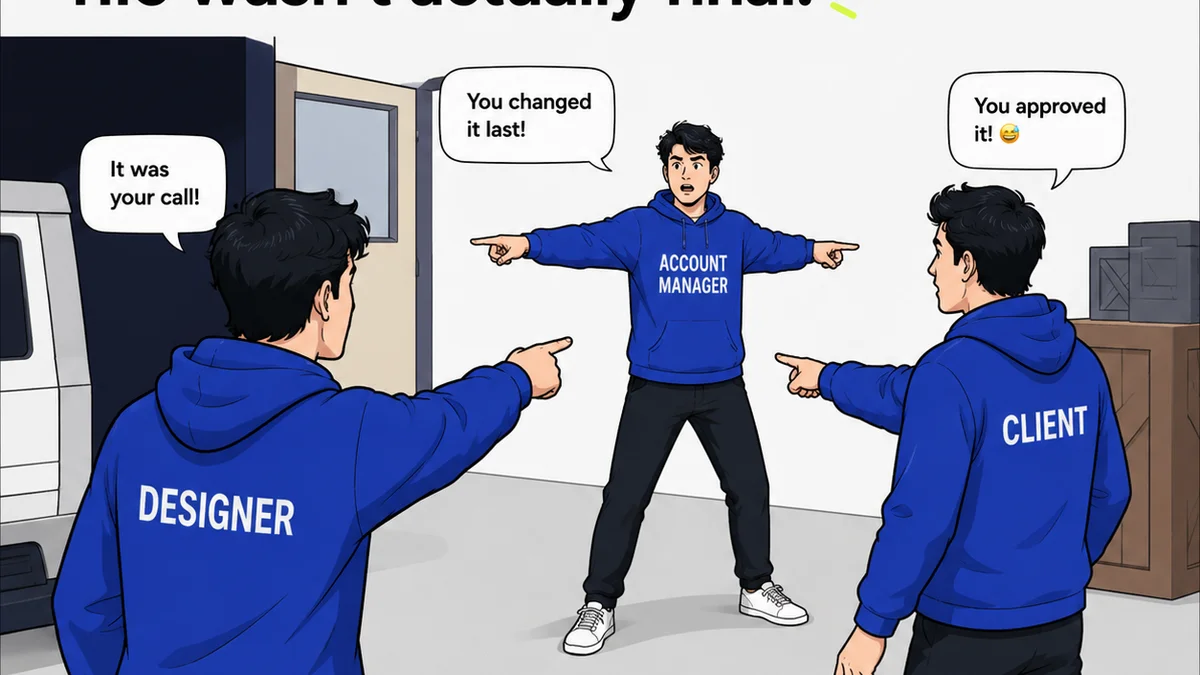
Everyone talks about talent. About killer portfolios and award-winning campaigns. They say the secret sauce is hiring the best designers, strategists, and account managers. And that’s true, to an extent.
But talent alone doesn't build a sustainable, profitable agency. It’s a necessary ingredient, but not the whole recipe.
The real difference? The invisible architecture. The systems that turn creative chaos into predictable success.
1. The Client Onboarding & Briefing System
This is where projects either thrive or die. A sloppy brief is a recipe for scope creep, wasted hours, and unhappy clients.
A successful agency doesn't just *ask* for a brief. They have a structured process that *ensures* a quality brief.
What it looks like:
- Standardized Briefing Template: A comprehensive document covering objectives, target audience, key messaging, deliverables, budget, and timeline.
- Mandatory Briefing Call: Not just a quick chat, but a deep dive where the agency asks probing questions to uncover hidden needs and assumptions.
- Client Sign-off on Brief: Formal agreement on the project scope and objectives before any creative work begins.
- Internal Brief Review: A quick internal check to ensure the creative team understands the brief and can ask clarifying questions.
This system isn't about bureaucracy. It's about clarity. It sets expectations and provides a North Star for the entire project.
2. The Project Management & Workflow System
This is the engine room. How do ideas actually get made, reviewed, and delivered on time and on budget?
Many agencies operate on a
Frequently asked questions
What is the most crucial system for a design agency?
While all systems are important, the client onboarding and briefing system is arguably the most crucial. A clear, well-defined brief prevents scope creep, aligns expectations, and sets the project up for success from the start.
How does a good project management system benefit a design agency?
A robust project management system ensures tasks are tracked, deadlines are met, resources are allocated efficiently, and communication stays clear. This leads to smoother project execution, reduced stress, and higher client satisfaction.
Why is centralized client feedback important?
Centralizing feedback prevents version control issues, reduces miscommunication, and ensures all stakeholders see the same comments. It streamlines the revision process, saving time and preventing costly errors.
Can effective systems improve profitability for a design agency?
Absolutely. By optimizing workflows, reducing wasted time, minimizing scope creep, and improving client satisfaction, strong systems directly contribute to higher efficiency and better profit margins.