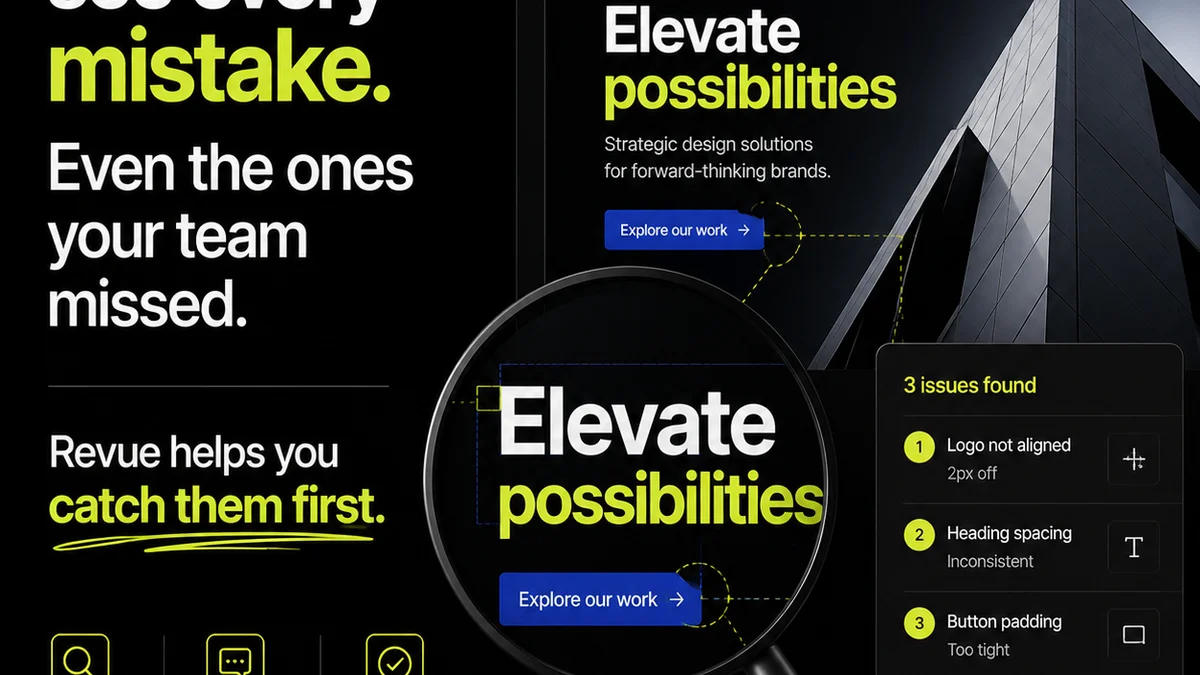
Everyone’s talking about AI’s ability to enforce brand consistency. It’s pitched as the magic bullet for keeping logos, colors, and messaging locked down across all touchpoints. Sounds great, right?
None of that is wrong. But it’s incomplete.
The real challenge isn’t just *using* AI; it’s understanding that AI is a tool, not a replacement for strategy. True brand consistency, especially with AI’s rapid evolution, hinges on a deep understanding of your brand’s core and disciplined workflow. It requires more than just plugging assets into a new system.
1. The Myth of AI as Autopilot
Many assume that once you feed AI your brand guidelines, it will automatically ensure every piece of content, every ad, every social post adheres perfectly. This is a dangerous oversimplification.
AI can automate checks and even generate variations, but it lacks the nuanced understanding of context, cultural relevance, and strategic intent that a human creative director brings.
Think about it:
- AI might flag a color deviation but miss the strategic reason *why* a slightly different shade was used for a specific campaign.
- It can enforce font sizes but struggle with tone-of-voice nuances in generated copy.
- It can check for logo placement but not assess if the overall composition feels right for the platform.
This isn’t a knock on AI’s capabilities. It’s about recognizing its limitations. AI is excellent at pattern recognition and rule enforcement. It’s less adept at strategic interpretation and creative judgment.
The Hard Truth: AI Augments, It Doesn’t Replace
The operational reality is that AI brand consistency tools are most effective when they augment human oversight, not when they’re expected to operate autonomously. They become powerful allies when integrated into a process that still values human strategy and creative direction.
2. Defining Your Brand’s Core (Before AI Sees It)
Before you even think about AI tools, you need crystal-clear brand foundations. If your guidelines are vague, contradictory, or incomplete, AI will either fail or, worse, enforce the wrong things.
What does this mean in practice?
- Visual Identity: Beyond just hex codes and font names, define the *feeling* those elements evoke. What’s the emotional resonance of your primary color? What personality does your typeface convey?
- Voice and Tone: Document not just *what* to say, but *how* to say it. Provide examples of on-brand and off-brand communication.
- Messaging Pillars: What are the 3-5 core messages your brand consistently communicates?
- Values and Mission: How do these translate into tangible brand expressions?
This foundational work is critical. AI can’t invent your brand’s soul.
The Role of the Style Guide
Your brand style guide is the source of truth. For AI to be effective, this guide must be:
- Comprehensive: Cover all aspects of brand expression.
- Unambiguous: Leave no room for misinterpretation.
- Accessible: Easy for both humans and AI systems to parse.
- Up-to-date: Regularly reviewed and revised.
Consider using structured data formats for your guidelines if your AI tools support it. This makes it easier for machines to understand and apply rules.
3. Implementing AI for Consistency: Practical Steps
Once your brand is well-defined, you can start integrating AI effectively. Here’s how.
a. Asset Management and Governance
AI-powered Digital Asset Management (DAM) systems can be game-changers. They don’t just store files; they can:
- Automatically tag assets with brand attributes (e.g., primary color, product line).
- Enforce usage rights and licensing.
- Suggest approved variations of logos or imagery based on context.
This ensures that only the correct, on-brand assets are readily available, reducing the chance of rogue elements creeping in.
b. Content Generation and Review
AI writing assistants and image generators can speed up content creation. But consistency requires a specific approach:
- Prompt Engineering: Train your AI prompts with your brand’s voice, tone, and key messaging. Be explicit about what’s in and out.
- Template-Based Generation: For recurring content types (e.g., social posts, product descriptions), use AI to populate predefined templates that already bake in brand elements.
- AI-Powered Review: Use AI tools specifically designed to scan generated content (text and visuals) against your brand guidelines. These tools can catch deviations in color, typography, logo usage, and even sentiment or tone.
Think of AI here as a tireless junior reviewer, catching the obvious errors before a senior creative even sees the work.
c. Cross-Channel Auditing
AI can analyze existing content across your website, social media, and marketing materials to identify inconsistencies. This is invaluable for:
- Finding outdated logos or color palettes.
- Identifying messaging that no longer aligns with current strategy.
- Ensuring a consistent user experience across all digital touchpoints.
Tools that can crawl your digital presence and flag brand violations are essential for maintaining long-term consistency.
4. The Human Element: Where AI Falls Short
Despite advancements, AI struggles with the intangible aspects of branding. This is where human oversight remains paramount.
a. Strategic Nuance
Brand consistency isn't just about following rules; it's about serving a strategic purpose. AI might not grasp:
- The evolving perception of your brand.
- The competitive landscape and how to differentiate.
- The emotional connection you aim to build with specific audience segments.
A human creative director can assess if a slight deviation from the norm is a calculated risk for greater impact, or a genuine mistake.
b. Cultural Relevance and Context
What’s consistent in one market might be alienating in another. AI often lacks the cultural intelligence to adapt appropriately. It can enforce a global standard rigidly, missing opportunities for local resonance or avoiding cultural missteps.
c. Emerging Trends and Creative Evolution
Brands need to evolve to stay relevant. AI, trained on existing data, can be inherently conservative. It might resist necessary updates or creative experimentation that could push the brand forward. Human creatives are essential for identifying and driving this evolution while maintaining brand integrity.
Where Revue Fits In
Managing brand consistency, especially in a dynamic agency or in-house team environment, requires clear processes. Tools like Revue are built to provide that structure.
Revue centralizes client feedback, making it easy to track exactly what was requested and approved. This visibility is crucial for AI integration. You can use the feedback loop to:
- Refine AI prompts: If AI consistently generates off-brand variations, review the feedback on previous iterations to understand *why* and adjust your AI inputs accordingly.
- Validate AI outputs: Use Revue’s clear approval workflows to confirm that AI-generated or AI-assisted content truly meets brand standards before it goes live.
- Maintain a historical record: The platform tracks revisions and approvals, creating an audit trail that helps understand how brand assets evolved and why.
By integrating AI within a controlled workflow like Revue’s, you leverage AI’s efficiency while retaining the strategic oversight and accountability necessary for true brand consistency.
5. Building an AI-Brand Consistency Workflow
So, how do you actually build this? It's about process, not just tools.
a. Establish Clear Roles and Responsibilities
Who owns brand guidelines? Who trains the AI? Who performs the final human review? Clarity prevents gaps.
b. Integrate AI at Key Stages
Don't try to automate everything at once. Start with areas where AI excels:
- Asset validation in your DAM.
- Initial copy drafts for common content types.
- Visual checks for logo and color adherence.
c. Implement a Human-in-the-Loop System
Every AI-assisted output must have a human checkpoint. This review should focus on strategic alignment, creative judgment, and contextual appropriateness – areas AI can’t fully handle.
d. Continuously Train and Refine
AI models learn. Your brand evolves. Regularly update your AI’s training data with new guidelines, successful campaigns, and feedback. Treat your AI as an apprentice that needs ongoing coaching.
e. Measure and Iterate
Track instances of brand inconsistency. Were they AI errors, human errors, or guideline gaps? Use this data to improve your processes and AI training.
Final Thought
AI offers incredible potential for streamlining brand consistency. But it’s not a set-and-forget solution. The agencies and teams that will truly benefit are those that combine AI’s power with a deep, human understanding of their brand’s strategy, values, and audience.
Are you ready to move beyond the hype and build a truly consistent brand, powered by both intelligence and intention?
Frequently asked questions
Can AI fully automate brand consistency?
No, AI can automate many checks and generate variations, but it lacks the strategic nuance and creative judgment of human oversight. It's best used to augment human efforts, not replace them entirely.
What's the most important step before using AI for brand consistency?
Clearly defining and documenting your brand's core elements—visual identity, voice, tone, and messaging—is the most crucial step. AI relies on unambiguous guidelines to function effectively.
How can agencies best integrate AI into their brand consistency workflows?
Integrate AI at key stages like asset management, content generation (using prompts and templates), and cross-channel auditing. Always include a human review step for strategic and creative validation.
What are the limitations of AI in maintaining brand consistency?
AI struggles with strategic nuance, cultural relevance, and creative evolution. It can be too rigid and may not understand the 'why' behind brand decisions or adapt to emerging trends effectively.
How does a tool like Revue help with AI-driven brand consistency?
Revue centralizes feedback and approvals, providing a clear audit trail. This visibility helps refine AI prompts, validate AI outputs, and ensure that all creative work, whether AI-assisted or not, adheres to brand standards.