Everyone’s talking about AI generating creative assets. It’s flashy. It’s the future of content creation, right? None of that is wrong. But it’s incomplete.
The real, operational transformation AI brings to creative agencies isn't just in *making* the work. It's in how we *govern* it. It’s about managing quality, consistency, and client expectations at scale. That’s the hard truth most people miss.
Creative governance is the bedrock of agency reputation and client trust. It’s the system that ensures every piece of work meets brand standards, client objectives, and our own quality bar. Traditionally, this has been a human-intensive process: endless reviews, manual checks, subjective sign-offs. It’s slow, prone to error, and expensive.
AI is changing this. Not by replacing human judgment, but by augmenting it. It’s injecting data, speed, and objectivity into processes that were once purely art and intuition. Let’s break down how this is happening.
1. AI-Powered Quality Assurance: Beyond the Gut Check
Think about traditional QA. It’s often a checklist run by a senior creative or a project manager. They look for obvious errors, brand guideline violations, or missing elements. It’s necessary, but it’s also subjective and limited by the reviewer’s attention span and experience.
AI changes this game. It can analyze assets against a vast set of predefined rules, brand guidelines, and even past successful projects. This isn't about preventing creative mistakes; it's about ensuring operational excellence.
Automated Brand Compliance
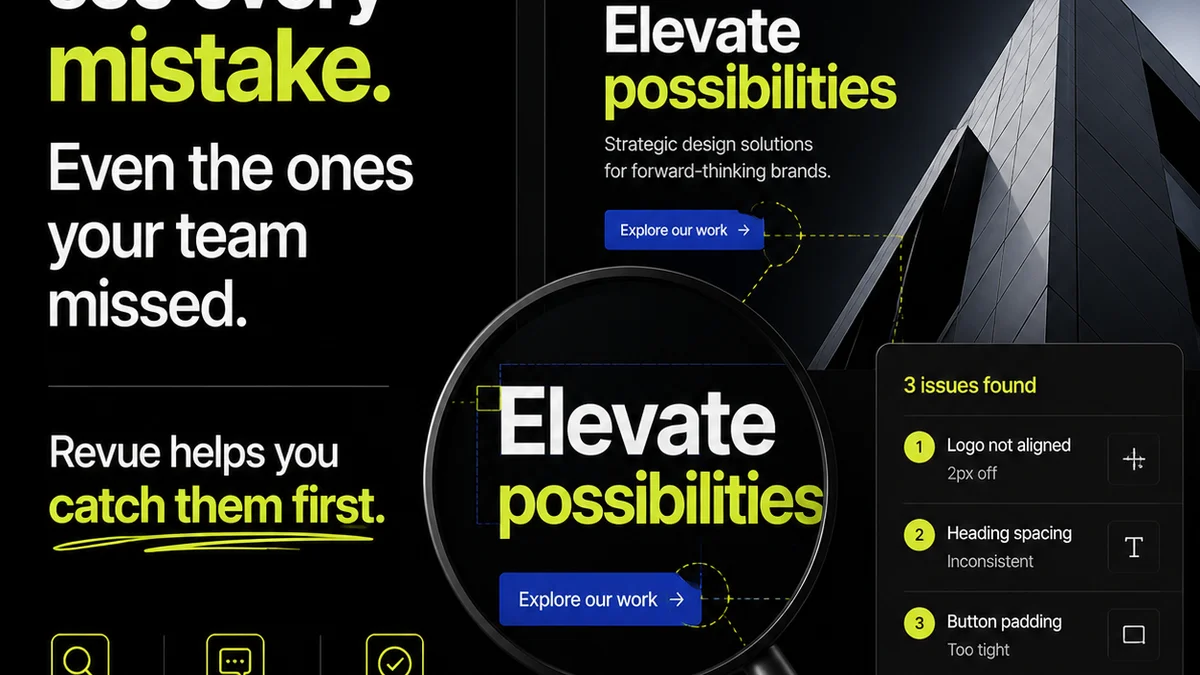
AI tools can scan images, videos, and copy to ensure logos are correctly placed, colors adhere to brand palettes, fonts are on-brand, and messaging aligns with approved tone of voice. This is far more rigorous than a manual spot-check.
Imagine a client with 50 variations of a banner ad. A human reviews maybe 5-10. An AI can check all 50 in minutes. It flags deviations instantly.
Consistency Across Channels
Maintaining a consistent brand voice and visual identity across dozens of touchpoints is a nightmare. AI can identify subtle inconsistencies in tone, imagery style, or UI elements that might slip past human eyes, especially when dealing with high volumes.
Accessibility Checks
This is a huge one. AI can automatically assess visual content for accessibility issues like contrast ratios, text legibility, and even suggest improvements for users with disabilities. This moves accessibility from an afterthought to a built-in check.
Performance Prediction
Some advanced AI can even analyze creative assets and predict their likely performance based on historical data. While not a perfect science, it offers a data-driven layer to creative decisions, complementing qualitative review.
2. Streamlining Client Feedback and Revisions
Client feedback is the lifeblood of agency work, but it’s also a notorious bottleneck. Misinterpretations, vague comments, and endless revision cycles drain time and goodwill.
AI isn't going to magically make clients provide perfect feedback. That's a human and relationship problem. But it *can* help process, categorize, and act on that feedback more efficiently.
Smart Feedback Categorization
AI can analyze client comments, identifying themes, sentiment, and urgency. It can flag conflicting feedback from different stakeholders or highlight comments that deviate significantly from project goals. This helps project managers prioritize and respond more effectively.
Consider a complex website redesign with feedback from marketing, legal, and product teams. AI can sort through hundreds of comments, grouping similar points and surfacing potential conflicts before they derail the project.
Revision Tracking and Analysis
By integrating with project management and creative review tools, AI can track revision history, identify patterns in requested changes, and even predict the effort required for future revisions. This provides valuable data for scoping and pricing.
Are clients consistently asking for a specific UI element to be changed on every iteration? AI can highlight this, prompting a discussion about the initial brief or design direction.
Automated Status Reporting
AI can generate automated reports on revision status, outstanding feedback, and approval timelines. This reduces the manual effort for account managers and keeps clients informed proactively, reducing the need for them to chase updates.
3. Enhancing Creative Operations and Workflow
Beyond specific assets or feedback, AI is fundamentally changing how creative operations are managed. It’s about efficiency, resource allocation, and risk management.
Predictive Project Scoping
AI can analyze past project data—timelines, resources, client feedback patterns, and final outcomes—to provide more accurate estimates for new projects. This helps agencies avoid under-scoping and over-promising.
This data can inform better project planning, identifying potential risks early on.
Intelligent Resource Allocation
By understanding team member skills, availability, and past performance on similar tasks, AI can suggest optimal resource allocation. This ensures the right people are on the right tasks, maximizing efficiency and minimizing burnout.
Risk Assessment and Mitigation
AI can identify potential risks within a project lifecycle. This could be anything from a client known for scope creep on similar projects to a technical challenge flagged by the system. It allows teams to proactively address issues.
Knowledge Management and Training
AI can help organize and surface internal documentation, best practices, and training materials. It can act as an intelligent assistant, helping new team members get up to speed faster and ensuring experienced staff can quickly access relevant information.
4. The Evolution of Client Relationships
The impact of AI on creative governance extends directly to the client relationship. It’s not just about delivering better work faster; it’s about building deeper trust.
Increased Transparency
When AI-powered systems are used for feedback, revisions, and QA, there’s a natural increase in transparency. Clients can see (via integrated tools) how their feedback is processed, what checks are being made, and where approvals stand. This demystifies the agency process.
Data-Driven Consultation
AI provides agencies with mountains of data on creative performance, client behavior, and project efficiency. This data can be leveraged to offer more strategic, data-backed consultations to clients, moving beyond subjective recommendations.
Instead of saying, “I think this will work,” you can say, “Based on past campaigns and AI analysis, this approach has a higher probability of success because…”
Proactive Issue Resolution
By flagging potential issues early—be it a compliance error, a confusing piece of feedback, or a scope risk—AI enables proactive problem-solving. This prevents small issues from escalating into major client crises.
Setting Realistic Expectations
AI-driven insights into project complexity and revision cycles can help agencies set more realistic expectations with clients from the outset. This leads to fewer misunderstandings and more satisfied clients.
Where Revue Fits In
All these AI advancements in creative governance need a central nervous system. They need a platform that can integrate these capabilities and make them accessible to your team and, where appropriate, your clients.
Revue is designed to be that hub. It provides a structured environment for managing client feedback, ensuring nothing falls through the cracks. Our system centralizes comments, tracks revisions with clear version control, and provides visibility into the entire approval workflow.
When you layer AI capabilities onto this foundation, you create a powerful engine for governance. Imagine AI automatically flagging non-compliant assets *within* Revue, or AI summarizing client feedback *before* it’s logged in Revue. Or AI analyzing revision patterns *across* projects managed in Revue.
Revue’s focus on clear communication, documented feedback, and auditable approval trails is the perfect complement to AI’s data-driven enhancements. It’s about bringing order and intelligence to the creative process, ensuring quality and efficiency without sacrificing creativity.
Final Thought
The narrative around AI in creative industries often focuses on the 'creation' part. But the real, lasting impact will be in the 'governance' part. It’s about building more robust, transparent, and efficient operations that can handle the demands of modern clients and complex projects.
Are you ready to move beyond the hype and operationalize AI for better creative governance?
Frequently asked questions
How does AI improve creative quality assurance?
AI can automate rigorous checks for brand compliance, consistency across channels, accessibility standards, and even predict asset performance, offering a more objective and scalable QA process than manual reviews.
Can AI directly manage client feedback?
AI can't replace human interaction, but it can categorize feedback, identify themes and conflicts, track revisions, and automate status reports, making the feedback process more efficient and transparent.
What is the operational benefit of AI in creative agencies?
AI enhances operational governance through predictive project scoping, intelligent resource allocation, risk assessment, and improved knowledge management, leading to greater efficiency and reduced project friction.
How does AI impact client relationships?
By increasing transparency, enabling data-driven consultations, facilitating proactive issue resolution, and helping set realistic expectations, AI strengthens client trust and partnership.
How can a platform like Revue integrate with AI for governance?
Revue provides the structured workflow for feedback, revisions, and approvals. AI can then enhance these processes by automating checks, summarizing data, and analyzing patterns within the Revue environment.