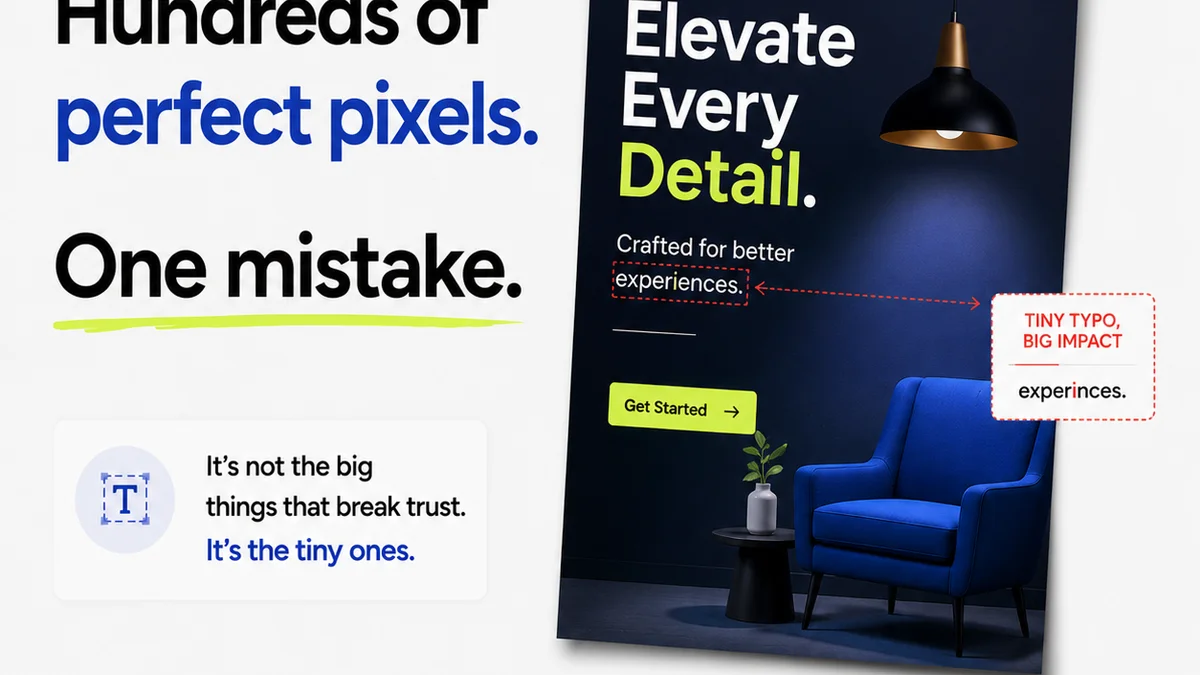
Everyone’s talking about AI generating images, copy, even video. It’s the shiny object. The future of creation, right?
None of that is wrong. But it’s incomplete.
The real revolution isn't just in *making* the work. It's in how we govern it.
The deeper truth is that AI is poised to overhaul the messy, human-driven processes of creative governance: feedback, revisions, approvals, and quality control. This isn't about replacing creatives; it's about arming them with systems that make the entire lifecycle smarter, faster, and more defensible.
1. The Feedback Deluge: From Subjectivity to Signal
Client feedback is the lifeblood of agency work. It's also a notorious bottleneck. Emails, Slack messages, scattered notes, scribbled PDFs – it’s a chaotic symphony of opinions that often drowns out clear direction.
Traditional governance relies on humans to sift, sort, and synthesize this feedback. That's where things break down. Misinterpretation, missed comments, and the sheer volume lead to:
- Endless clarification loops.
Frequently asked questions
How can AI improve client feedback management?
AI can analyze and categorize feedback from various sources, identify recurring themes, flag conflicting comments, and even predict potential issues based on historical data. This moves feedback from subjective noise to actionable signal.
Will AI replace creative directors in governance?
No. AI is a tool to augment human judgment, not replace it. It handles the heavy lifting of data processing and pattern recognition, freeing up creative directors to focus on strategic decision-making and nuanced creative direction.
What are the practical benefits of AI in creative approvals?
AI can automate parts of the approval process by checking work against predefined criteria, flagging deviations, and ensuring all stakeholder feedback has been addressed. This speeds up turnaround times and reduces manual oversight.
How does AI help with quality control in creative work?
AI can perform automated checks for brand consistency, adherence to technical specifications, and even identify potential usability issues before a project goes live. This ensures a higher, more consistent standard of quality.