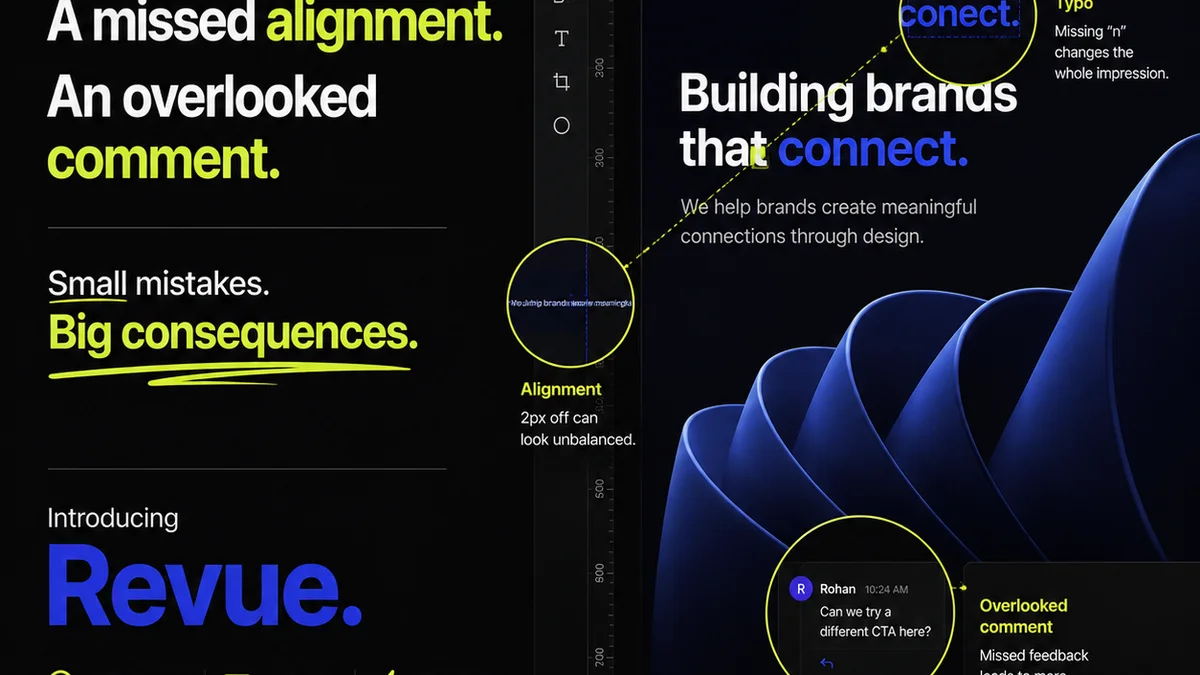
The buzz around AI in creative operations is deafening. Generative tools are churning out images, copy, and even video concepts. It feels like a tidal wave of automation is about to wash over every agency and in-house team.
None of that is wrong. But it’s incomplete.
The real story isn't just about AI *creating* more. It's about AI fundamentally changing how creative work *gets done*. The operational backbone of creative production is where the seismic shifts are happening, and that’s what most people miss.
1. The Myth of Effortless Output
The assumption is that AI tools will simply replace human effort, leading to faster, cheaper output with minimal human input. Think of it as a magic button for creative assets.
The hard truth? AI is a powerful *accelerant* and *augmenter*, not a full replacement for the complex human process of creative direction, client management, and strategic thinking.
AI tools are only as good as the prompts they receive. They need skilled operators to guide them, refine their output, and integrate it into a larger strategic vision.
Prompt Engineering is the New Art Direction
This isn't about typing a few keywords and getting a masterpiece. Effective AI utilization requires a deep understanding of:
- The client's brand and strategic objectives.
- The nuances of visual language or narrative structure.
- How to iterate and refine AI-generated content based on feedback.
- The technical limitations and capabilities of specific AI models.
This shift demands a new kind of creative professional – one who can blend artistic sensibility with technical command.
2. Streamlining the Workflow, Not Eliminating It
Many believe AI will automate entire workflows, removing bottlenecks and human error. This paints a picture of a fully autonomous creative pipeline.
The reality is that AI is best at tackling specific, repeatable tasks within a larger, still-human-driven workflow.
AI can speed up tasks like:
- Generating initial mood boards or concept variations.
- Drafting ad copy variations for A/B testing.
- Automating basic image resizing and format conversions.
- Summarizing lengthy client feedback documents.
But it doesn't magically solve the core challenges of collaboration, feedback management, or strategic alignment.
The Bottleneck Isn't Always Creation
Often, the slowest parts of creative operations aren't the actual creation of assets. They are:
- Getting clear, consolidated feedback from clients.
- Managing endless revision rounds.
- Ensuring everyone is working from the latest approved version.
- Facilitating communication between disparate teams.
AI can *assist* with some of these, but it doesn't inherently *solve* them. These are fundamentally human and organizational problems.
3. AI as a Quality Control Assistant
A common misconception is that AI will eliminate the need for human quality control. The idea is that AI can catch every error before it reaches the client.
While AI can be a powerful tool for identifying certain types of errors, it cannot replace the discerning eye of a human.
AI excels at:
- Checking for grammatical errors or typos at scale.
- Ensuring brand guidelines (like color usage or font consistency) are met in digital assets.
- Identifying potential accessibility issues in web design.
- Flagging inconsistencies in data-driven content.
However, AI struggles with:
- Assessing the emotional impact or strategic relevance of a creative piece.
- Understanding subtle cultural sensitivities.
- Judging the overall aesthetic appeal or brand fit beyond predefined rules.
- Recognizing when a
Frequently asked questions
Will AI replace creative directors?
AI can augment the role of a creative director by automating repetitive tasks and generating initial ideas. However, strategic thinking, client relationship management, and the nuanced judgment required for high-level creative direction remain firmly in the human domain.
How can AI improve creative workflow efficiency?
AI can improve efficiency by automating specific tasks like generating variations, resizing assets, summarizing feedback, or performing initial quality checks. This frees up human creatives to focus on higher-level strategy and refinement.
What are the biggest challenges of integrating AI into creative operations?
The biggest challenges include the need for skilled prompt engineers, integrating AI tools into existing workflows without causing disruption, managing the quality and relevance of AI-generated output, and addressing the ethical considerations surrounding AI use.
Is prompt engineering a necessary skill for creative teams?
Yes, for teams leveraging generative AI, effective prompt engineering is crucial. It's the skill that allows teams to guide AI tools to produce relevant, high-quality outputs aligned with project goals.