Everyone’s talking about AI in creative work. It’s the shiny new tool that can generate images, write copy, and even suggest design layouts. Many assume AI’s main role in design approval will be spitting out ‘perfect’ versions that clients will instantly love.
None of that is wrong. But it’s incomplete.
The deeper truth is that AI isn’t just about generating better outputs. It’s about transforming the *process* of feedback and approval itself, making it faster, more objective, and ultimately, more strategic.
1. Beyond Subjectivity: AI for Objective Feedback
Design approval has always been a minefield of subjective opinions. “Make it pop.” “I don’t like the blue.” These are the phrases that haunt creative directors. AI offers a path toward more objective evaluation.
Think about it: what if AI could flag inconsistencies before human eyes even spot them? What if it could analyze brand guideline adherence automatically?
Brand Compliance and Consistency Checks
AI can be trained on your client’s brand guidelines. It can then scan designs for logo usage, correct color palettes, font applications, and even tonal consistency in messaging.
This isn't about replacing designers; it's about automating the tedious, error-prone checks that bog down the approval cycle.
Accessibility Audits
Ensuring designs are accessible is no longer optional. AI tools can perform rapid accessibility audits, checking for contrast ratios, legible font sizes, and proper alt-text suggestions. This frees up designers to focus on creative solutions rather than manual compliance checks.
Tools like WCAG provide the standards, but AI can help implement them at scale.
Usability and Predictability Analysis
While true user testing remains crucial, AI can offer preliminary insights into user interaction and predictability. It can analyze common user flows, identify potential points of confusion, and even predict engagement levels based on design patterns.
This offers a proactive way to catch design flaws that might otherwise only surface after launch.
2. Streamlining the Feedback Loop
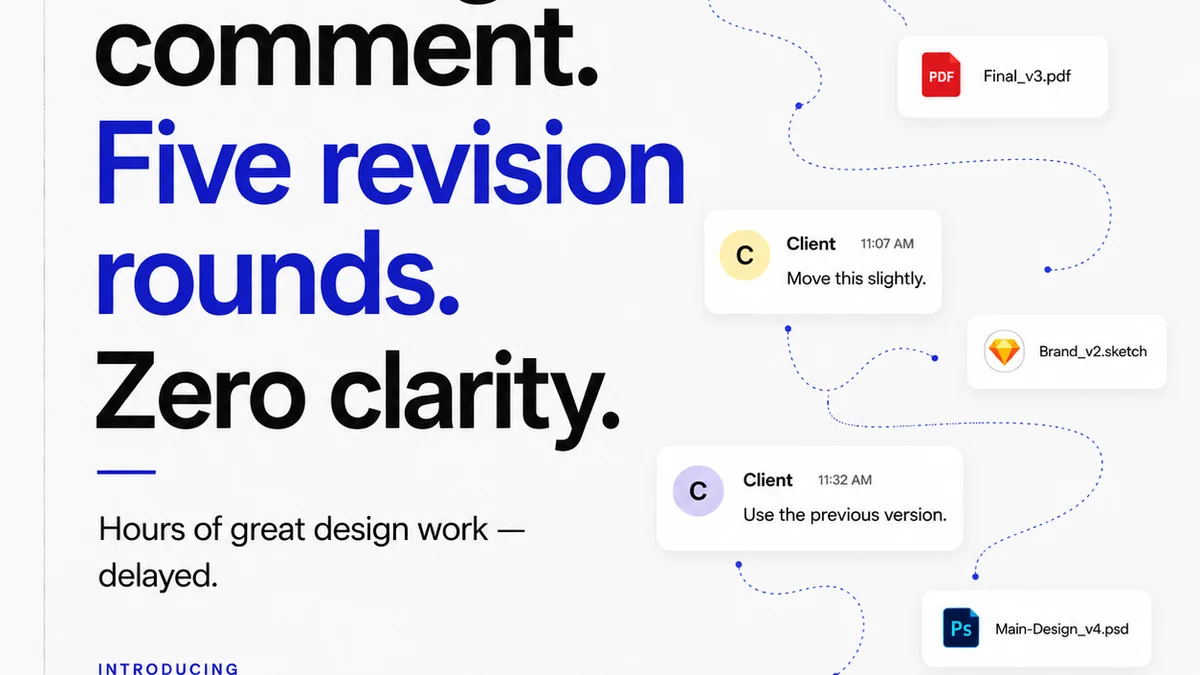
The traditional design approval process is a slow, often frustrating, back-and-forth. Emails get lost, comments are ambiguous, and revisions pile up. AI can inject much-needed efficiency here.
Imagine a world where feedback is categorized, prioritized, and even actioned automatically.
Automated Comment Triage and Prioritization
AI can analyze incoming feedback, categorizing it by type (e.g., factual error, subjective preference, technical issue) and even by sentiment. It can then prioritize comments based on predefined rules or urgency, ensuring critical issues are addressed first.
This cuts through the noise of vague feedback.
Smart Version Control and Revision Tracking
AI can help manage design versions more intelligently. By understanding the context of changes, it can automatically group related revisions, highlight the most significant updates, and even suggest which feedback points have been addressed. This makes tracking the evolution of a design much clearer.
No more sifting through endless file names like `logo_final_v3_really_final_USE_THIS_ONE.ai`.
Predictive Revision Needs
Based on historical data and the nature of the feedback, AI might even predict the scope and complexity of revisions needed. This helps project managers and designers allocate resources more effectively and set more realistic timelines.
3. Enhancing Collaboration and Client Communication
Approval isn't just about the client saying 'yes'. It's about a shared understanding of the creative direction and the rationale behind decisions. AI can bridge gaps here too.
It’s about creating a more transparent and data-driven conversation.
Data-Driven Insights for Stakeholders
Instead of relying solely on designer intuition, AI can provide data to back up creative decisions. Presenting compliance scores, accessibility audit results, or predicted usability metrics to clients can build confidence and justify design choices.
This shifts the conversation from
Frequently asked questions
Can AI replace human designers in the approval process?
No, AI is designed to augment, not replace, human designers. It automates tedious checks, provides objective data, and streamlines feedback, freeing up designers to focus on creativity and strategic problem-solving.
How can AI make design feedback more objective?
AI can analyze designs against predefined criteria like brand guidelines, accessibility standards (WCAG), and consistency rules. This provides data-backed insights that reduce reliance on purely subjective opinions, making feedback more actionable and less ambiguous.
What are the main benefits of using AI for design approvals?
Key benefits include faster turnaround times due to automated checks and feedback triage, increased accuracy and consistency, improved collaboration through data-driven insights, and a more objective evaluation of creative work. This ultimately leads to more efficient and effective design processes.
How does AI help manage design revisions?
AI can assist in tracking revisions more intelligently by understanding the context of changes, automatically grouping related updates, and highlighting significant modifications. This provides a clearer audit trail and reduces confusion during the iterative design process.