Everyone’s talking about AI for design. They say it’ll automate tasks, spark creativity, and slash production times. It sounds great, right?
None of that is wrong. But it’s incomplete.
The real truth is that simply *using* AI tools won’t magically boost your ROI. The hard truth is that AI is a powerful amplifier. It amplifies your existing processes, your existing talent, and crucially, your existing problems.
If your workflows are messy, AI will make them messier, faster. If your feedback loops are broken, AI will just churn out more versions of misdirected work. The ROI comes not from the AI itself, but from how you integrate it into a fundamentally sound operational framework.
1. The Myth of Instant Efficiency
The biggest assumption is that AI tools, by their nature, equate to instant efficiency gains. You plug in a generative tool, and boom—hours saved. That’s a fantasy. Real efficiency comes from thoughtful integration, not just adoption.
The Bottleneck Isn’t Creation, It’s Collaboration
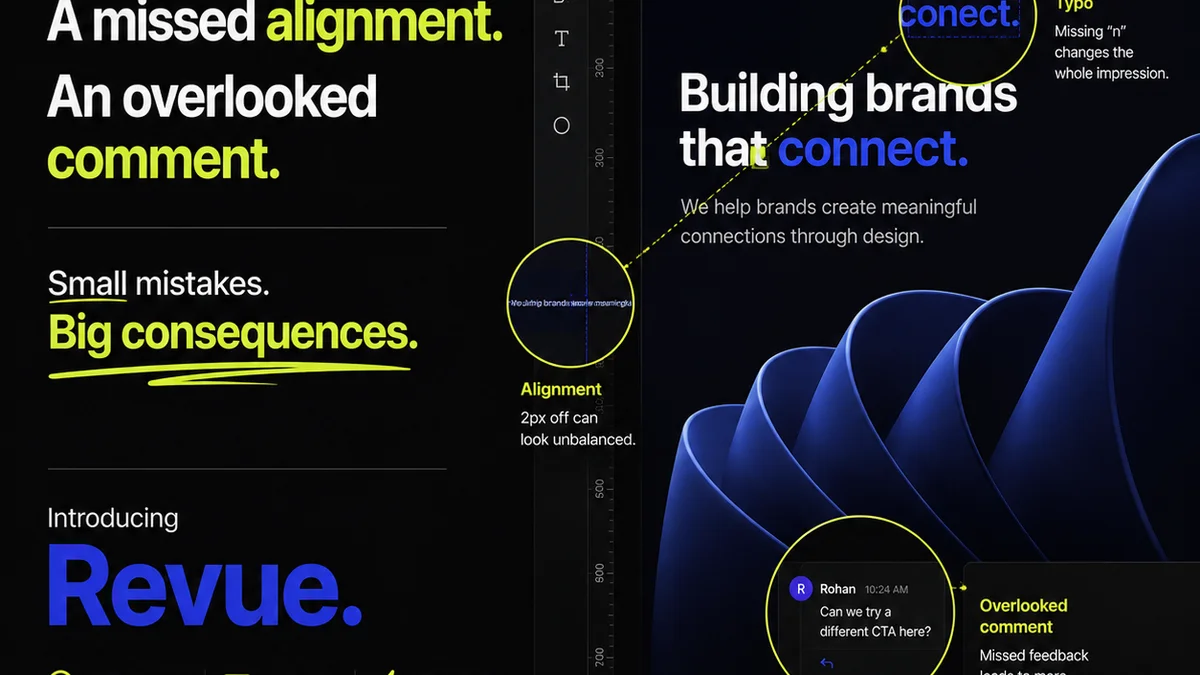
Most design projects don’t get bogged down in the actual creation phase. They get stuck in the mud of client communication, feedback rounds, revisions, and approvals. AI can speed up asset generation, sure. But it can’t fix a broken feedback system.
Think about it:
- Endless email chains with vague comments.
- Screenshot annotations that get lost.
- Multiple versions of a file floating around.
- Misunderstood feedback leading to wasted revisions.
- Delays waiting for a single sign-off.
If you feed AI prompts based on unclear, unorganized feedback, you’re just automating confusion. The output might be faster, but it’s likely to be wrong, requiring even *more* back-and-forth.
The Real Efficiency Play
True ROI from AI in design comes when it’s applied *after* you’ve established clear, streamlined processes for managing feedback and approvals. When you know exactly what the client needs, and you have a system to capture and act on that input accurately, *then* AI can accelerate the production of those specific assets.
This means focusing on the operational side first. Standardize your brief intake. Centralize your client communication. Implement a clear review and approval workflow. Only then can AI become a true accelerant, not just a faster way to make mistakes.
2. AI and the Creativity Conundrum
Another common narrative is that AI unlocks new creative potential. It’s a powerful idea generator, a mood board creator, a style explorer. But relying on AI to *be* creative is a shortcut that often leads to generic results.
The Danger of the Default
AI models are trained on vast datasets. Their output, by definition, is a sophisticated remix of what already exists. Without strong human direction, AI-generated concepts can feel derivative, predictable, and lacking in genuine strategic insight or unique brand voice.
Your clients aren’t paying for a trendy AI aesthetic. They’re paying for strategic design that solves a business problem and connects with their audience. AI can be a tool in that process, but it can’t replace the strategic thinking and nuanced understanding that a human designer brings.
Where Human Ingenuity Shines
The real creative ROI from AI comes when it augments, not replaces, human creativity. Use AI to:
- Quickly explore a wide range of visual styles for inspiration.
- Generate initial drafts or variations that a designer can then refine.
- Automate repetitive creative tasks, freeing up designers for higher-level thinking.
- Help overcome creative blocks by suggesting unexpected starting points.
The key is to treat AI as a powerful assistant, not the lead creative. The strategic direction, the brand understanding, the emotional resonance – that still comes from your team. The ROI is in leveraging AI to explore more options faster, allowing your team to focus on making the *right* creative choices, not just more of them.
3. Measuring What Matters: Beyond Vanity Metrics
When agencies talk about AI ROI, they often focus on metrics like
Frequently asked questions
How can AI improve client feedback processes?
AI can help by summarizing long feedback threads, identifying key action items, and even flagging potentially contradictory comments. However, the core process of collecting clear, actionable feedback still requires structured workflows. AI amplifies, it doesn't replace, the need for clarity.
Is AI a replacement for human designers?
No. AI tools are best used to augment human creativity and automate repetitive tasks. Strategic thinking, nuanced brand understanding, and original creative concepts remain firmly in the human domain. AI's ROI comes from empowering designers, not replacing them.
What are the biggest mistakes agencies make when adopting AI for design?
The most common mistake is adopting AI tools without first optimizing their underlying workflows. Implementing AI into a chaotic feedback or revision process will only amplify those inefficiencies. The focus should be on process first, then AI integration.
How can I measure the actual ROI of AI in my design process?
Measure ROI by tracking time saved on specific tasks that have been automated, the reduction in revision rounds due to clearer feedback loops (enabled by better process), and the increase in project throughput. Focus on operational improvements AI supports, not just the tool itself.