Everyone’s talking about AI in marketing. And yes, AI tools are automating ad buying, personalizing emails, and even drafting copy. It’s easy to assume that’s the whole story – a shiny new toolkit making individual marketers more efficient.
None of that is wrong. But it’s incomplete.
The real revolution AI is bringing to FinTech marketing isn't just about individual productivity. It’s about how teams collaborate, how feedback flows, and how creative work gets done faster and smarter. It’s a seismic shift under the hood, impacting the very fabric of agency and in-house workflows.
1. Beyond Personalization: AI as the Universal Translator
FinTech marketing lives in a complex ecosystem. You’ve got product teams speaking in technical jargon, compliance officers focused on risk, and sales teams demanding quick turnarounds. Marketing teams are the perennial translators, bridging these gaps.
Historically, this translation process was manual, slow, and prone to misinterpretation. Emails get lost. Slack messages get buried. Important nuances about a new feature or a regulatory change get diluted by the time they reach the creative team.
The Bottleneck of Context
This lack of shared, easily accessible context is a massive collaboration killer. Marketing teams spend an inordinate amount of time just trying to understand what they’re supposed to be marketing. This isn't a minor inconvenience; it's a direct drag on campaign speed and effectiveness.
AI is starting to break this down. AI-powered tools can analyze vast amounts of internal documentation – product specs, compliance guidelines, market research – and distill the key information relevant to a specific marketing campaign.
- Summarizing lengthy regulatory documents into digestible marketing points.
- Identifying key feature benefits from technical product briefs.
- Cross-referencing campaign briefs with past successful (or unsuccessful) initiatives.
This isn't about replacing human understanding. It's about augmenting it. AI can surface critical information that might have been missed, ensuring everyone on the marketing team, and even across departments, is working from the same, accurate set of facts.
2. Streamlining Feedback Loops: From Chaos to Clarity
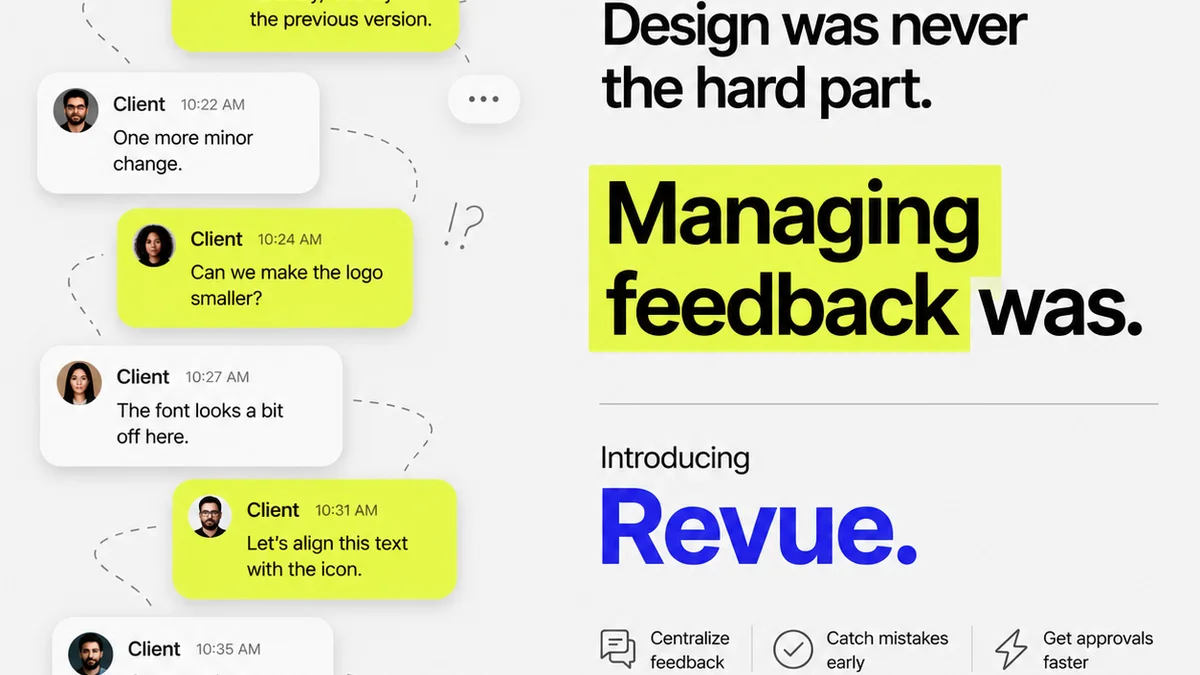
Client feedback is the lifeblood of any agency or in-house creative team. But in FinTech, this feedback can be particularly intricate. It involves not just aesthetic preferences but also functional accuracy, compliance adherence, and strategic alignment.
The traditional feedback process is often a mess. Multiple stakeholders email comments, leave notes on PDFs, or send ad-hoc Slack messages. This creates a fragmented view of the client’s (or internal stakeholder's) needs.
The Cost of Ambiguity
Ambiguous or conflicting feedback leads to endless revision cycles. Teams waste hours trying to decipher unclear instructions or reconcile opposing viewpoints. This delays project timelines, frustrates creatives, and erodes client trust.
AI is stepping in to bring structure to this chaos. AI tools can now process and categorize feedback, identifying patterns, flagging contradictions, and even suggesting clarifications.
- Automatically tagging feedback by stakeholder or issue type (e.g.,
Frequently asked questions
How can AI improve feedback on marketing materials in FinTech?
AI can analyze and categorize feedback, identify contradictions, flag urgent issues, and even suggest clarifications. This reduces ambiguity and speeds up revision cycles, ensuring marketing materials align with strategic and compliance requirements.
What are the biggest collaboration challenges AI helps FinTech marketing teams overcome?
AI helps overcome challenges related to context sharing across departments (product, compliance, sales), managing fragmented feedback, ensuring brand consistency, and accelerating the review and approval process for complex financial products.
Can AI truly understand complex FinTech regulations for marketing purposes?
While AI can process and summarize complex regulatory documents, it should be seen as an augmentation tool. Human oversight from compliance and legal teams remains critical to ensure accurate interpretation and adherence to all regulations.
How does AI contribute to brand consistency in FinTech marketing?
AI can be trained on brand guidelines and past campaigns to automatically check new creative assets for consistency in tone, style, and messaging. It can flag deviations, helping teams maintain a unified brand voice across all channels.