Everyone's talking about AI. Especially how it's going to revolutionize healthcare. You hear it’ll speed up diagnoses, personalize treatments, and streamline patient care. None of that is wrong. But it’s incomplete.
The real, immediate impact of AI for healthcare organizations isn't just in the lab or the clinic. It's in the trenches of their marketing and communications departments. It’s about how they create and manage the content that explains complex health information to patients, partners, and the public. And it's changing the game for tools like Revue and GoVisually.
The Hype vs. The Hard Truth About AI in Healthcare Creative
The common assumption is that AI will simply automate creative tasks. Think AI generating ad copy, designing social media posts, or even drafting patient education materials. That's part of the story, sure. But it misses the operational meat.
The hard truth is that AI's power in healthcare creative isn't just about *generation*. It's about *orchestration*. It's about how AI can augment existing workflows to improve clarity, ensure compliance, and manage feedback at scale, especially in a highly regulated industry.
For healthcare organizations, the stakes are sky-high. Misinformation can have serious consequences. Compliance with HIPAA and other regulations is non-negotiable. And the need to communicate complex medical information clearly and empathetically is paramount.
This is where tools designed for creative workflow management, like Revue and GoVisually, become critical. And where AI's integration—or lack thereof—becomes a significant differentiator.
Understanding the Landscape: Creative Workflow Tools
Before diving into AI, let's clarify what tools like Revue and GoVisually do at their core. They aim to solve the chaos of creative production. Especially when multiple stakeholders, strict brand guidelines, and regulatory hurdles are involved.
At their best, these platforms centralize:
- Asset management
- Feedback collection
- Revision tracking
- Approval processes
- Version control
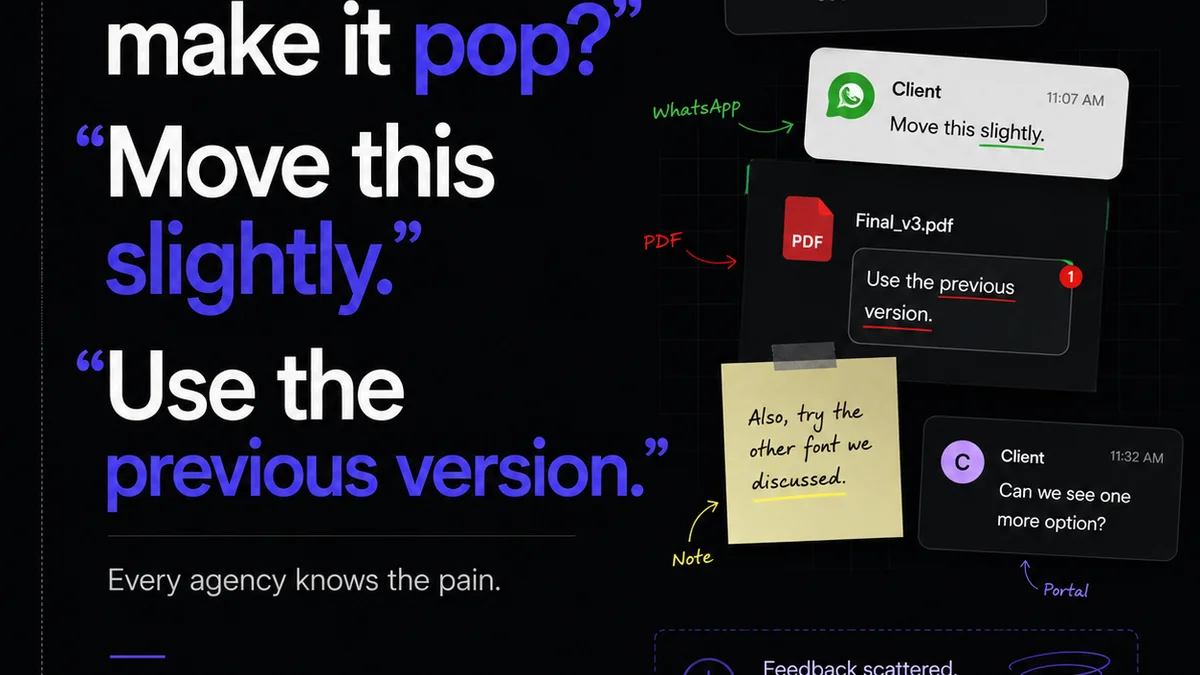
The goal is to move away from scattered email threads, endless Slack messages, and lost files. To create a single source of truth for all creative projects.
GoVisually: A Focus on Visual Feedback
GoVisually is known for its robust visual annotation features. It allows users to pinpoint specific areas on an image or video and leave comments. This is incredibly useful for design teams needing precise feedback.
Key strengths include:
- Direct-to-image/video markup
- Version comparison
- Task management for revisions
For a healthcare organization producing patient-facing infographics or video explainers, GoVisually's visual tools can be a lifesaver. They ensure that feedback on a specific diagram or animation frame is captured accurately.
Revue: Streamlining Client & Stakeholder Communication
Revue, on the other hand, is built around centralizing feedback and approvals across various creative assets. While it supports visual annotation, its strength lies in managing the entire feedback loop for diverse content types.
Think beyond just static images:
- Website copy
- Patient brochures
- Marketing campaign assets
- Internal training modules
Revue focuses on ensuring that all feedback, regardless of format, is collected, managed, and acted upon within a structured system. This is crucial for healthcare, where input might come from legal, medical affairs, marketing, and external patient advocacy groups.
Where AI Enters the Picture
Now, let's layer AI onto this. AI isn't a replacement for these platforms; it's an enhancement. It can supercharge the efficiency and intelligence of creative workflows.
AI for Content Generation & Optimization
This is the most talked-about aspect. AI tools can assist in:
- Drafting initial copy for patient education materials.
- Suggesting alternative headlines for health campaigns.
- Summarizing lengthy medical research for internal briefs.
- Generating variations of visual elements based on brand guidelines.
For healthcare, AI-powered content generation can help overcome writer's block and speed up the creation of routine materials. But the output always needs human review, especially for accuracy and tone.
AI for Compliance and Accuracy Checking
This is where AI becomes truly invaluable in healthcare. Imagine AI scanning draft content for:
- Potential HIPAA violations.
- Outdated medical information.
- Claims that lack supporting evidence.
- Brand or regulatory non-compliance.
This isn't about AI replacing legal or medical reviewers. It's about AI acting as a first-pass filter, flagging potential issues *before* human experts spend their valuable time on them. This dramatically speeds up the review cycle.
AI for Workflow Automation and Insights
Beyond content itself, AI can optimize the workflow:
- Predicting project timelines based on historical data.
- Identifying bottlenecks in the approval process.
- Automating the routing of feedback to the correct stakeholders.
- Analyzing feedback patterns to improve future briefs.
This predictive and analytical power helps teams work smarter, not just harder.
Revue vs. GoVisually: An AI-Enhanced Comparison
When we look at Revue and GoVisually through the lens of AI integration, the differences become clearer, especially for the specific needs of healthcare.
GoVisually and AI
GoVisually's strength is visual. If AI is integrated, it might focus on:
- AI-powered image analysis: Flagging visual elements that might be inconsistent with brand guidelines or potentially misconstrued.
- Automated alt-text generation: Improving accessibility for visually impaired users, a key consideration in healthcare.
- Smart suggestions for visual hierarchy: Helping to ensure critical health information stands out.
The focus here remains on enhancing the *visual* aspect of the creative process, augmented by AI.
Revue and AI
Revue's broader scope allows for AI integration across a wider range of functions:
- AI-driven content summarization: Quickly condense lengthy medical documents for internal review or marketing briefs.
- Intelligent feedback categorization: Automatically tag feedback as
Frequently asked questions
How can AI help with HIPAA compliance in creative content?
AI can be trained to scan draft content for potential violations of HIPAA regulations, such as the inappropriate use of patient information or claims that could violate privacy. It acts as an initial filter, flagging issues for human legal and compliance teams to review, thereby speeding up the process.
Is AI going to replace human reviewers in healthcare creative?
No, AI is intended to augment, not replace, human expertise. In healthcare, where accuracy and compliance are critical, AI can assist by handling repetitive tasks, identifying potential issues, and providing data-driven insights. However, final decisions and nuanced reviews still require human judgment from medical, legal, and marketing professionals.
What types of creative content can AI assist with in healthcare?
AI can assist with a wide range of healthcare creative content, including drafting patient education materials, generating variations of marketing copy and headlines, summarizing research papers for internal use, creating initial designs for infographics, and even generating alt-text for improved accessibility. Human oversight is always essential for accuracy and tone.
How do tools like Revue and GoVisually differ in their approach to AI?
GoVisually, with its visual focus, might leverage AI for image analysis, automated alt-text, or visual hierarchy suggestions. Revue, with its broader workflow management scope, can integrate AI for content summarization, intelligent feedback categorization, automated routing, and predictive analytics across various content types, not just visuals.