Everyone’s talking about AI in localization. Faster turnaround times. Lower costs. Automated workflows. None of that is wrong. But it’s incomplete.
The real impact of AI on localization isn't just about doing the same things faster. It’s about fundamentally changing how we approach global content, manage client expectations, and ensure quality at scale.
1. The Myth of Instant, Perfect Translation
The common assumption is that AI, particularly Large Language Models (LLMs), will simply replace human translators with machines churning out flawless copy in any language.
This is a dangerous oversimplification. While AI can generate text that *looks* like translation, it often misses crucial nuances.
Cultural Context is King
Language isn't just words; it's culture, idiom, and implied meaning. AI struggles with:
- Subtle humor and sarcasm.
- Cultural references and taboos.
- Brand voice and tone consistency across markets.
- Regulatory and legal specificities that vary by region.
A direct, literal translation might be grammatically correct but culturally tone-deaf. This can lead to anything from awkwardness to outright offense.
The Human Element Remains Critical
Think of AI as a powerful assistant, not a replacement. Human translators and cultural consultants are essential for:
- Ensuring accuracy and appropriateness.
- Adapting content for specific target audiences.
- Maintaining brand integrity across diverse markets.
- Handling complex or sensitive subject matter.
The real value of AI here is in augmenting human expertise, not supplanting it. It frees up linguists from repetitive tasks to focus on higher-value strategic work.
2. From Translation Memory to Intelligent Content Adaptation
Traditional localization relied heavily on Translation Memory (TM) tools. These store previously translated segments, ensuring consistency and reducing costs for repetitive text.
AI takes this a giant leap forward.
Beyond Static Segments
AI can analyze entire documents, understand context, and even suggest stylistic variations based on target audience profiles. It’s not just about matching a phrase; it’s about understanding the intent.
Personalization at Scale
Imagine tailoring marketing copy not just by language, but by regional dialects, cultural preferences, and even local event calendars. AI can help identify these opportunities and adapt content dynamically.
- Dynamic content generation for localized ad campaigns.
- Personalized product descriptions based on user demographics.
- Automated adaptation of website content for specific regions.
This moves localization from a purely linguistic exercise to a strategic marketing function.
3. Streamlining Workflows: The Operational Truth
The operational benefits of AI in localization are where the rubber meets the road for agencies and creative teams. It’s about efficiency, yes, but also about visibility and control.
Faster First Drafts, Deeper Revisions
AI can generate initial translations or adapt existing content at speeds humans cannot match. This means clients can see localized versions much faster.
But this speed necessitates a robust review process. The output needs human eyes to ensure it’s not just fast, but *right*.
Quality Assurance Gets Smarter
AI can be trained to flag potential errors in tone, grammar, and even cultural appropriateness. It can cross-reference terminology against brand glossaries and style guides automatically.
- Automated checks for brand term consistency.
- AI-powered grammar and style checks tailored to linguistic nuances.
- Identification of potential cultural faux pas before they reach the client.
This doesn't eliminate QA, but it makes it more targeted and efficient.
Managing the Flood of Feedback
As content becomes easier to localize, the volume of requests can increase. Clients might expect more iterations or faster updates. This is where centralized feedback management becomes non-negotiable.
Where Revue Fits In
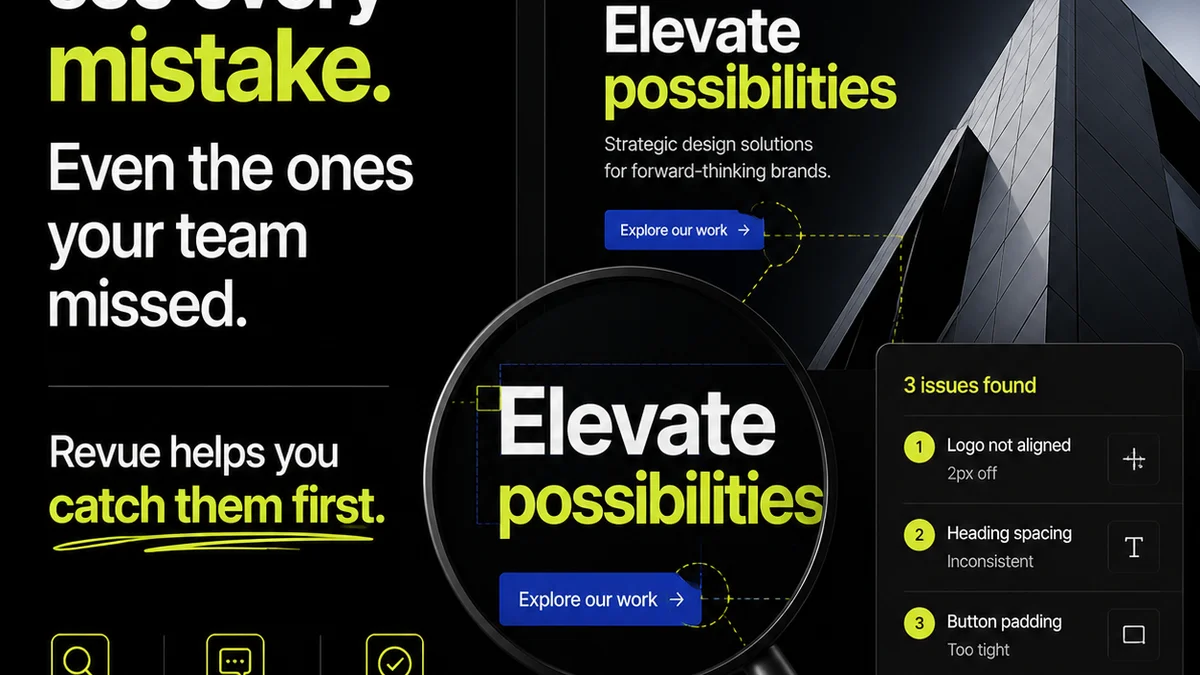
The increasing complexity and volume of localized content demand better management tools. AI accelerates the creation and adaptation process, but the coordination of feedback, revisions, and final approvals still requires a centralized system.
Revue provides that crucial layer of operational control.
- Centralized Feedback: Aggregate all client comments on localized assets in one place, eliminating scattered email threads and unclear version control.
- Revision Visibility: Track every change made to localized content, understand the rationale behind edits, and ensure consistency across all language versions.
- Streamlined Approvals: Manage the sign-off process for each localized asset, ensuring that content is not only linguistically sound but also culturally appropriate and strategically aligned before it goes live.
- Quality Check Integration: Use Revue to manage the final quality assurance steps, ensuring that AI-generated or human-translated content meets brand standards and client expectations before deployment.
AI handles the heavy lifting of initial content generation and adaptation. Revue ensures that the entire process, from first draft to final approval, remains organized, transparent, and under control.
4. The Evolving Role of the Localization Professional
The rise of AI doesn't make localization experts obsolete; it elevates their role.
From Translator to Strategist
Linguists are becoming more strategic. They're not just translating words; they're advising on global market entry, cultural adaptation strategies, and brand messaging nuances.
The Rise of the Prompt Engineer
For AI-assisted localization, understanding how to craft effective prompts for LLMs is becoming a valuable skill. It's about guiding the AI to produce the best possible output.
Demand for Cultural Fluency
As AI handles the mechanics of translation, the demand for deep cultural understanding and contextual adaptation will only grow. This is where human expertise is irreplaceable.
5. Challenges and Ethical Considerations
It's not all smooth sailing. AI in localization presents challenges:
- Data Privacy: Training AI models requires vast amounts of data, raising concerns about proprietary information and client confidentiality.
- Bias Amplification: AI can perpetuate and even amplify existing biases present in the training data, leading to culturally insensitive or discriminatory outputs.
- Over-Reliance: Blindly trusting AI output without human oversight can lead to significant errors and brand damage.
- Job Displacement Fears: While AI augments roles, there are legitimate concerns about its long-term impact on traditional translation jobs.
Agencies need to implement AI responsibly, with clear ethical guidelines and robust human oversight.
Final Thought
AI is not a magic wand for localization. It’s a powerful tool that, when wielded correctly, can unlock unprecedented efficiency and reach.
The true revolution isn't in the technology itself, but in how we integrate it into smarter, more transparent workflows that prioritize human expertise and cultural intelligence.
Are you ready to move beyond the hype and build a truly intelligent localization strategy?
Frequently asked questions
Can AI completely replace human translators?
No, AI can significantly assist human translators by handling repetitive tasks and generating initial drafts. However, human linguists are crucial for ensuring cultural nuance, brand voice consistency, and accuracy, especially for complex or sensitive content.
How does AI improve localization quality?
AI can improve quality by automating checks for grammar, style consistency, and brand terminology. It can also help flag potential cultural insensitivities. However, human review remains essential for final quality assurance.
What are the biggest operational benefits of AI in localization?
The key operational benefits include faster turnaround times for initial drafts, increased efficiency in content adaptation, and the ability to scale localization efforts. It also helps streamline quality checks, but requires robust feedback management.
How can agencies manage the increased volume of localized content?
Agencies need to implement centralized feedback and revision management systems, like Revue, to handle the increased volume and complexity. This ensures transparency, tracks changes effectively, and streamlines the approval process.