Everyone’s talking about AI in marketing. It’s going to automate everything, right? Faster content creation, better ad targeting, smarter analytics. None of that is wrong. But it’s incomplete.
For legal marketing operations, the real transformation isn’t just about doing things faster. It’s about freeing up your team to do the work that actually moves the needle: strategy, client advisory, and genuine business development.
1. The Illusion of Efficiency: Speed vs. Impact
The easy wins with AI are obvious. Generating social media posts, drafting email subject lines, summarizing articles. These are tactical tasks that consume bandwidth. AI can certainly speed them up.
But speed is only one dimension of efficiency. The real bottleneck in legal marketing isn't the speed of drafting a press release. It's the time spent chasing down approvals, managing endless revision rounds, and ensuring brand consistency across a dozen different initiatives.
This is where the operational reality hits. If your AI-assisted content creation process still involves seven email chains and three different versions of a PDF floating around, you haven’t actually gained much.
The Hidden Costs of Manual Workflows
- Endless internal back-and-forth.
- Difficulty tracking feedback and revisions.
- Risk of outdated or off-brand content going live.
- Lost productivity due to context switching.
- Strained relationships with practice groups.
These aren’t minor annoyances. They are operational drags that AI, used purely for content generation, won’t solve.
2. AI for Strategic Insight, Not Just Task Execution
The deeper promise of AI in legal marketing operations lies in its analytical power. Think beyond generative text. Consider AI’s ability to process vast amounts of data and identify patterns that humans might miss.
This means understanding which marketing initiatives are truly driving leads, not just which ones received the most clicks. It means identifying trends in client inquiries or competitor activity that can inform your firm’s strategy.
Unlocking Data-Driven Decisions
- Predictive Analytics: Forecast which content formats or channels will yield the best results for specific practice areas.
- Client Segmentation: Identify high-value client segments based on historical data and engagement patterns.
- Competitive Analysis: Monitor competitor marketing efforts and identify strategic gaps or opportunities.
- Performance Benchmarking: Understand how your marketing efforts stack up against industry averages and set realistic goals.
This level of insight allows your marketing team to shift from a reactive, task-based function to a proactive, strategic partner for the firm.
3. Streamlining Approvals: The Real Bottleneck AI Can Address
Let’s talk about the elephant in the room: client feedback and internal approvals. This is where legal marketing operations often grind to a halt.
AI can play a role here, but not by magically making lawyers approve faster. Instead, AI-powered tools can bring structure and visibility to the process.
Imagine a system that:
- Centralizes all feedback in one place, linked directly to the asset.
- Uses AI to flag conflicting feedback or suggest resolutions based on historical decisions.
- Automates notifications and reminders for pending approvals, reducing manual follow-up.
- Provides a clear audit trail of every version, comment, and approval.
This isn't about replacing human judgment. It's about augmenting it by removing the administrative overhead and the inherent chaos of scattered communication.
4. Where Revue Fits In
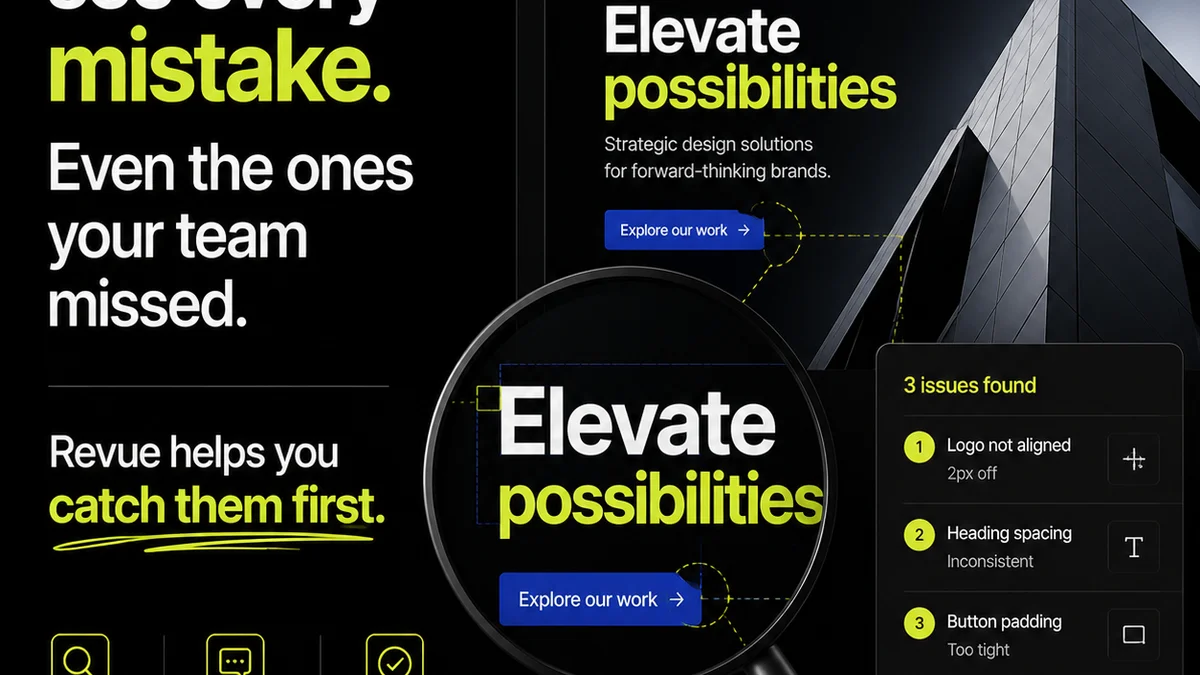
AI tools are fantastic for content creation and data analysis. But they don’t inherently solve the problem of managing the *process* of creative work. That’s where a platform like Revue comes into play.
Revue is built for the operational reality of creative marketing teams, especially in client-facing industries like law. It tackles the core challenges that AI alone often overlooks:
- Centralized Feedback: Bring all stakeholder comments, markups, and approvals into a single, organized stream. No more hunting through emails or disparate chat threads.
- Revision Management: Track every iteration of a design or piece of content. See exactly what changed, who approved it, and when. This visibility is crucial for compliance and accountability in legal.
- Quality Assurance: Ensure brand guidelines are met and all feedback has been addressed before final delivery. This systematic approach reduces errors and risk.
By integrating AI-powered content generation with a robust workflow management system like Revue, legal marketing teams can achieve true operational transformation. You get the speed and insight of AI, coupled with the control and clarity needed for high-stakes client work.
5. The Human Element: Augmentation, Not Replacement
It’s easy to get caught up in the AI hype and think human roles are becoming obsolete. For legal marketing, this couldn’t be further from the truth.
AI excels at repetitive tasks, data crunching, and pattern recognition. It can draft, analyze, and predict. But it lacks:
- Strategic Nuance: Understanding the firm’s long-term goals, competitive positioning, and client relationships.
- Empathy and Persuasion: Crafting messages that resonate on an emotional level and build trust.
- Ethical Judgment: Navigating the complex ethical considerations inherent in legal marketing.
- Client Relationship Building: The personal touch that fosters loyalty and drives new business.
The goal of AI in legal marketing operations should be to augment your team’s capabilities, not replace them. Free up your talented marketers from the drudgery of process management so they can focus on high-value strategic work, client engagement, and building the firm’s brand reputation.
Final Thought
Is your legal marketing team using AI to simply do the same old tasks faster, or are you leveraging it to fundamentally rethink how you operate and drive strategic value for the firm? The distinction is critical.
Frequently asked questions
How can AI improve efficiency in legal marketing?
AI can automate repetitive tasks like content drafting, social media posting, and data analysis. More importantly, it can streamline complex approval processes by centralizing feedback, automating notifications, and providing clear audit trails, freeing up legal marketers for strategic work.
What are the limitations of AI in legal marketing operations?
AI currently lacks strategic nuance, empathy, ethical judgment, and the ability to build client relationships. It excels at data processing and task execution but cannot replace the human elements crucial for high-level strategy and client advisory in the legal field.
How does a platform like Revue complement AI tools for legal marketing?
Revue complements AI by providing the essential workflow management layer. While AI handles content creation and analysis, Revue centralizes feedback, manages revisions, and ensures quality control, addressing the operational bottlenecks that AI alone cannot solve.
Can AI predict which marketing efforts will be most successful for a law firm?
Yes, through predictive analytics, AI can analyze historical data to forecast which content formats, channels, or campaigns are likely to yield the best results for specific practice areas or client segments, enabling more data-driven marketing strategies.