Everyone’s talking about AI. It’s the shiny new object promising to revolutionize everything, including packaging design. You’ve probably heard it can generate endless concepts, automate tedious tasks, and even predict market trends.
None of that is wrong. But it’s incomplete.
The real story of AI in packaging design isn't about magic wands or sentient design software. It’s about operational shifts, the need for strategic implementation, and the way it forces us to confront our existing workflows.
The hard truth? AI isn't just a creative accelerant; it's an operational catalyst. And if your agency or in-house team isn't prepared to integrate it strategically, you risk falling behind.
1. The Illusion of Infinite Concepts
AI image generators can churn out dozens, even hundreds, of visual concepts in minutes. This leads many to believe the biggest challenge will be *choosing* from an overwhelming array of options.
But that’s a surface-level view. The real challenge isn’t generating more ideas; it’s generating the *right* ideas, and then executing them effectively.
The Prompt Engineering Trap
The quality of AI output is directly tied to the quality of the input. Crafting effective prompts is an art and a science. It requires a deep understanding of the brand, the target audience, the desired emotional response, and even the technical constraints of packaging production.
Simply typing “design a cereal box for kids” yields generic results. The real work involves iterative refinement, understanding how to guide the AI toward strategic objectives, not just aesthetic whims.
Beyond the Render
A beautiful AI-generated render is just a starting point. It doesn't account for:
- Structural integrity and manufacturability
- Material costs and sustainability
- Printing processes and color accuracy
- Regulatory compliance (nutritional info, warnings, etc.)
- Supply chain logistics
Agencies that treat AI renders as final assets will face costly rework and missed deadlines. The operational heavy lifting happens *after* the AI has done its visual part.
2. Streamlining Workflows: The Operational Bottleneck
AI promises efficiency. And it can deliver, but only if the surrounding workflow is robust enough to handle the speed and volume.
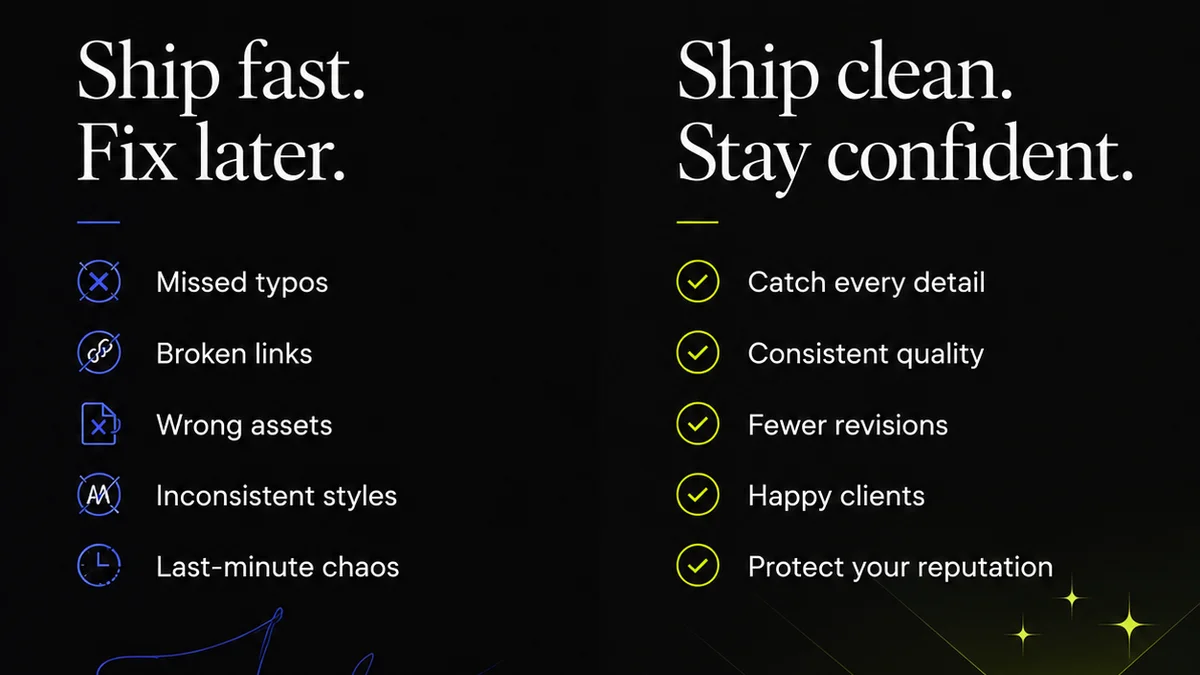
Many agencies and design teams operate on fragmented systems. Feedback is scattered across emails, Slack messages, and PDF annotations. Revisions are tracked manually, leading to version control nightmares.
The Feedback Paradox
AI can generate initial concepts faster, but it doesn’t magically improve the clarity or speed of client feedback. In fact, with more options, feedback can become even more convoluted and subjective.
If you don’t have a system for centralizing, organizing, and acting on feedback, AI-generated options will simply create more noise, not less.
Revision Chaos Amplified
Imagine a client wants to tweak an AI-generated design. If your revision process is manual and opaque, tracking those changes across multiple AI iterations can quickly become unmanageable. Which version is the approved one? What specific elements were changed from the last AI output?
This is where operational systems become critical. Without them, AI's speed becomes a liability.
3. The Human Element: Strategy, Oversight, and Refinement
The narrative that AI will replace designers is, frankly, lazy. AI is a tool, and like any tool, its effectiveness depends on the skill of the user.
What AI *is* doing is elevating the role of the designer from pure craftsperson to strategic overseer and curator.
Strategic Direction is Paramount
AI can't intuit a brand's soul or understand a complex market positioning strategy without explicit guidance. That strategic thinking—the
Frequently asked questions
Can AI replace human packaging designers?
No, AI is a tool that augments human creativity and strategic thinking. It can generate concepts and automate tasks, but strategic direction, nuanced understanding, and final execution still require skilled human designers.
What are the biggest challenges of using AI in packaging design?
The main challenges include crafting effective prompts, managing the sheer volume of generated concepts, integrating AI outputs into existing production workflows, and ensuring clear, centralized feedback loops.
How can agencies prepare for AI in packaging design?
Agencies should focus on training teams in prompt engineering, investing in workflow management tools for feedback and revisions, and emphasizing the strategic and oversight roles of designers.
What is 'prompt engineering' in the context of AI design?
Prompt engineering is the skill of crafting precise and effective text-based instructions (prompts) to guide AI models in generating desired outputs, such as specific visual styles, elements, or moods for packaging designs.