Everyone’s talking about AI in design. ChatGPT writing copy, Midjourney spitting out visuals. It’s easy to assume the next step is AI judging the work itself. That AI will become the ultimate art director, flagging every stray pixel and off-brand element.
None of that is wrong. But it’s incomplete.
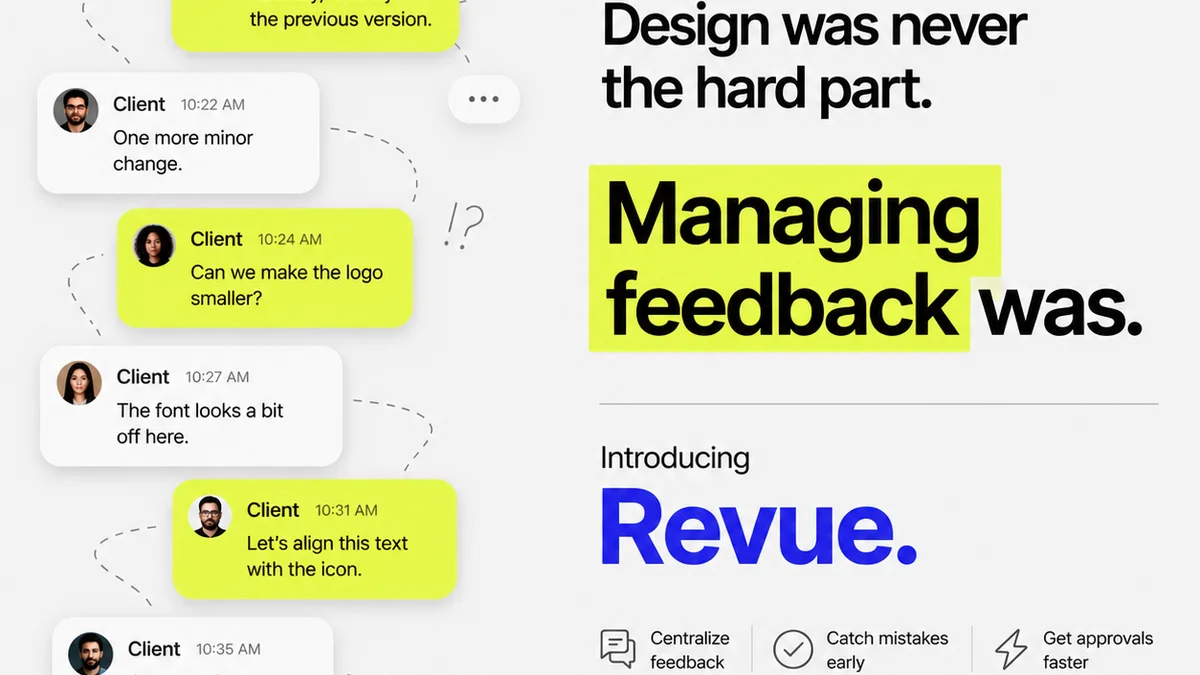
The real revolution isn't AI replacing the human eye. It's AI augmenting the human process. Especially when it comes to the messy, often frustrating world of design reviews and approvals.
The hard truth? We're not on the cusp of AI designers. We're on the cusp of AI-powered reviewers. And that changes everything about how agencies and creative teams operate.
1. Beyond the
Frequently asked questions
Will AI replace human designers in the review process?
It's highly unlikely. AI is poised to become a powerful assistant, automating tedious tasks and providing data-driven insights. However, human creativity, strategic thinking, and subjective judgment remain critical for truly effective design reviews.
What are the main benefits of using AI in design reviews?
AI can significantly speed up the review cycle by automating initial checks, identifying inconsistencies, and summarizing feedback. This frees up human reviewers to focus on higher-level strategic and creative input, leading to faster approvals and improved quality.
How can AI help manage client feedback?
AI can help organize and categorize large volumes of client feedback, identify recurring themes or contradictions, and even suggest areas for clarification. This makes the feedback process more manageable and less prone to misinterpretation.
Is AI ready to handle complex creative decisions?
Currently, AI excels at objective tasks like checking brand guidelines or spotting technical errors. For subjective creative decisions—like assessing emotional impact or brand alignment—human expertise is still essential. AI acts as a data provider, not the final decision-maker.