Everyone’s talking about AI. You hear it’s going to automate everything. That it’ll replace jobs. That it’ll make creative work faster, cheaper, and easier.
None of that is wrong. But it’s incomplete.
The real story of AI in creative operations isn't just about speed or cost. It’s about upgrading the entire workflow. Especially when it comes to managing your digital assets.
The hard truth? Traditional Digital Asset Management (DAM) systems, while essential, are often just glorified filing cabinets. They store assets. They organize them, sort of. But they don’t *understand* them. They don’t help you find what you need quickly, or how to use it best.
AI is changing that. It’s not just automating DAM; it’s reinventing it.
1. Beyond Keywords: AI-Powered Asset Discovery
Think about your current DAM. How do you find a specific image or video? You probably rely on manual tagging. Keywords. Project names. Client codes.
It’s a pain. It’s time-consuming. And it’s error-prone.
One misplaced tag, one forgotten keyword, and an asset might as well be lost forever.
AI changes the game by understanding content, not just labels.
Semantic Search and Object Recognition
AI can analyze the actual visual and audio content of your assets. It can identify objects, people, scenes, even emotions. This means you can search using natural language.
Instead of typing “logo_clientX_final_v3.ai”, you can search for “our client X logo in blue” or “that outdoor lifestyle shot with the happy family from the summer campaign.”
This isn't magic; it's machine learning.
- Object Recognition: Identifies specific items within an image or video (e.g., a red car, a laptop, a dog).
- Facial Recognition: Can identify specific individuals (with proper permissions, of course).
- Scene Recognition: Understands the context of the image (e.g., a beach at sunset, an urban street at night).
- Sentiment Analysis: Can even gauge the mood or emotion conveyed in an image or video clip.
This level of understanding makes finding the *right* asset infinitely faster.
Automated Tagging and Metadata Enrichment
AI can also automate the tedious work of tagging. Instead of a human spending hours tagging thousands of assets, AI can do it in minutes. It can generate descriptive tags, keywords, and even categorize assets automatically.
This ensures your assets are not only findable but also consistently organized. It creates a richer, more accurate metadata layer.
Less manual work means fewer errors and more time for creative tasks.
2. Understanding Usage Rights and Compliance
This is where DAM often fails. You have assets, but do you know if you can legally use them? For which client? For how long? In which territories?
Manual tracking of usage rights is a nightmare. It’s a compliance risk that can lead to expensive legal battles.
AI can bring clarity to this chaos.
Automated Rights Management
AI can scan licensing agreements, model releases, and other legal documents associated with your assets. It can then automatically flag usage restrictions.
Imagine uploading a photo and the system immediately tells you:
- “This image is licensed for digital use only in North America for one year.”
- “Model release expires on December 31st, 2024.”
- “This music track requires attribution: ‘Music by [Artist Name]’”.
This proactive approach prevents accidental misuse and ensures your agency stays compliant.
Content Moderation and Brand Safety
AI can also help maintain brand safety. It can be trained to identify content that might be inappropriate, offensive, or simply off-brand.
This is crucial for preventing embarrassing mistakes, like using an asset with unintended visual elements in a major campaign.
It acts as an intelligent gatekeeper, protecting your agency’s reputation.
3. Streamlining Creative Workflows with AI Insights
DAM isn't just about storage; it's about enabling creative work. AI enhances this by providing valuable insights into how assets are used.
Predictive Asset Recommendations
Based on how similar projects have used assets, AI can suggest relevant content for your current project. It learns your agency’s patterns and preferences.
If you’re working on a new campaign for a coffee brand, the AI might suggest:
- Images of steaming mugs
- Videos of baristas
- Logos that have performed well in past campaigns
This can significantly speed up the creative briefing and asset selection process.
Performance Analytics
AI can analyze which assets perform best in different contexts. Which images get the most clicks? Which videos have the highest engagement? Which logos are most recognized?
These insights can inform future creative decisions and help justify asset selection.
It turns your DAM from a passive archive into an active intelligence tool.
4. The Evolution of DAM: From Storage to Intelligence Hub
The traditional DAM was a response to the explosion of digital files. It was about control and organization.
The AI-powered DAM is a leap forward. It’s about intelligence, efficiency, and proactive risk management.
It moves beyond simply storing files to understanding their content, context, and compliance. It becomes an active partner in the creative process.
This shift is critical for agencies that need to move faster, work smarter, and reduce risk.
Where Revue Fits In
While AI is transforming asset discovery and management at the foundational level, the actual *use* of those assets in client projects still requires robust workflow management.
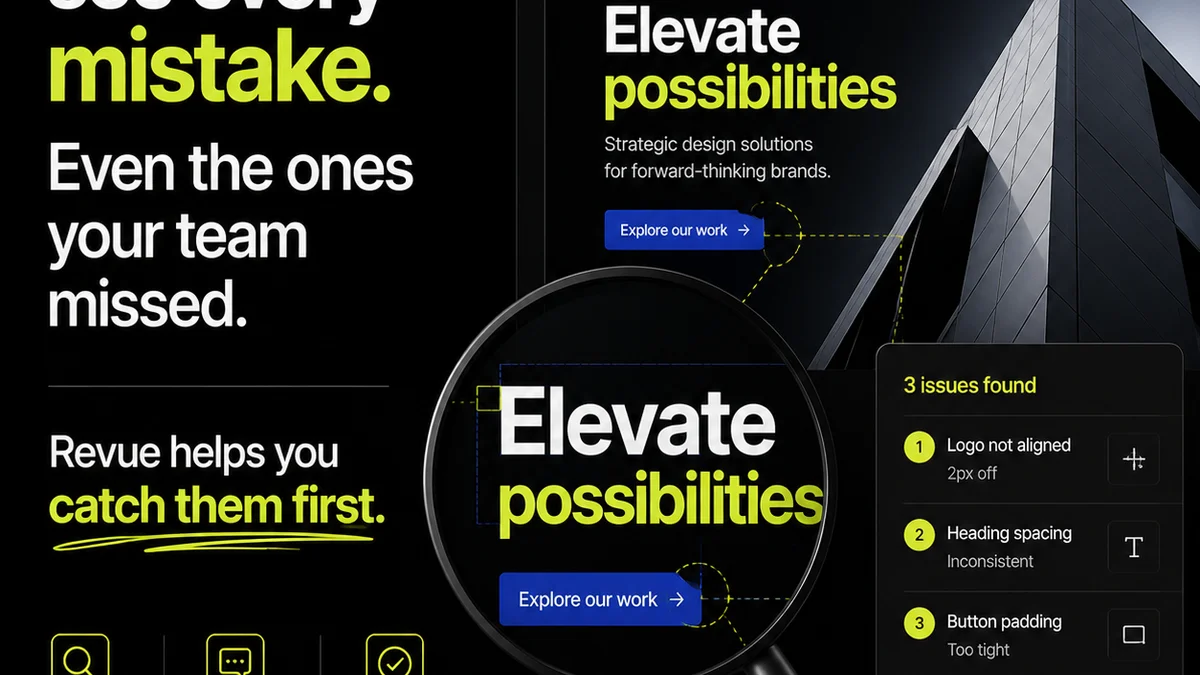
This is where Revue shines. We bridge the gap between your intelligently managed asset library and the client feedback loop.
Our platform is built for the realities of agency life:
- Centralized Feedback: Gather all client comments, annotations, and approvals directly on your creative assets within Revue. No more scattered emails or confusing spreadsheets.
- Revision Visibility: Track every iteration, every change, and every stakeholder’s input. Understand the history of a project at a glance.
- Streamlined Approvals: Get clear, unambiguous sign-offs from clients, reducing back-and-forth and speeding up project timelines.
- Quality Assurance: Ensure all feedback has been addressed and assets meet final quality standards before delivery.
Revue complements an AI-enhanced DAM by providing the essential layer of client collaboration and project oversight. It ensures that the right assets, found efficiently, are also reviewed, approved, and delivered flawlessly.
Final Thought
AI is not just a buzzword; it’s a fundamental shift in how we interact with digital content. For creative agencies and in-house teams, embracing AI in Digital Asset Management isn't optional—it's essential for staying competitive.
Are you ready to move beyond the filing cabinet and unlock the true intelligence within your asset library?
Frequently asked questions
What's the main benefit of AI in DAM?
The main benefit is moving beyond simple storage and organization to intelligent understanding. AI enables semantic search, automated tagging, and insights into asset usage and compliance, making assets far more discoverable and manageable.
How does AI improve asset search?
AI uses object recognition, facial recognition, and natural language processing to allow searches based on content and context, not just manual keywords. This means you can find assets by describing what's in them or the feeling they evoke.
Can AI help with legal compliance for assets?
Yes, AI can analyze licensing agreements and usage rights associated with assets, automatically flagging restrictions. This proactive approach helps prevent costly legal issues related to asset misuse.
How does AI impact the creative workflow?
AI can suggest relevant assets based on project needs and past usage patterns, speeding up creative ideation. It can also provide performance analytics on which assets work best, informing future creative decisions.
Is AI replacing traditional DAM systems?
No, AI is enhancing traditional DAM systems. It's evolving them from static storage solutions into dynamic intelligence hubs, making existing DAM functionalities more powerful and efficient.