Everyone’s talking about AI revolutionizing the *creation* of design. ChatGPT writing copy, Midjourney spitting out visuals, AI tools sketching wireframes. It’s dazzling. And none of that is wrong.
But it’s incomplete.
The real, operational shift AI is bringing to agencies and in-house teams isn't just about generating more stuff, faster. It’s about streamlining the messy, often painful, process of getting that stuff into the real world: the design handoff.
The hard truth? Design handoff has always been a bottleneck. It's where brilliant ideas go to die in a sea of poorly organized files, unclear specs, and miscommunications. AI isn't just a shiny new toy for designers; it's a powerful engine for fixing this broken process.
1. From Static Specs to Dynamic Intelligence
For decades, design handoff meant exporting layers, creating style guides, and writing lengthy spec documents. Think Photoshop files, Sketch files, Zeplin, InVision. Essential, yes, but static. A snapshot in time.
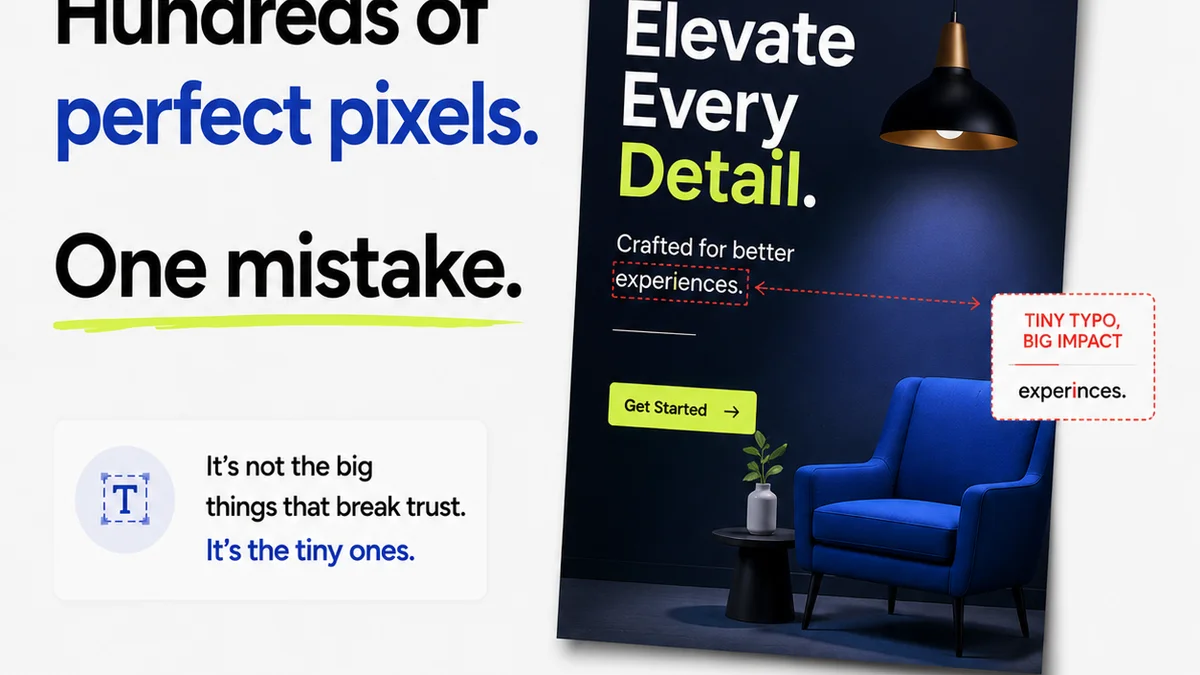
Developers would then have to meticulously translate these static assets into functional code. This translation layer is where errors creep in. Pixels shift. Colors get misinterpreted. Spacing becomes a guessing game.
The AI Upgrade: Context-Aware Asset Generation
AI is starting to change this by going beyond simple asset export.
- Automated Asset Optimization: AI can analyze design files and automatically generate assets in the correct formats, sizes, and resolutions needed for different platforms (web, iOS, Android). No more manual slicing and dicing.
- Intelligent Code Snippets: Emerging AI tools can analyze design elements (buttons, forms, cards) and generate corresponding code snippets (HTML, CSS, React components) directly from the design file. This isn't just translating pixels; it's understanding UI patterns.
- Dynamic Style Guides: AI can help build and maintain style guides that are not just descriptive but prescriptive. They can learn from the design system and flag inconsistencies or suggest improvements based on established patterns.
This shifts handoff from a passive transfer of files to an active, intelligent exchange of information. It’s about giving developers not just *what* to build, but *how* it should behave, based on a deeper understanding of the design intent.
2. Clarifying Ambiguity: AI as the Universal Translator
The biggest killer of design handoff is ambiguity. What does this animation *really* look like? How should this component behave on mobile versus desktop? What’s the exact interaction for this dropdown?
Traditionally, these questions lead to endless Slack threads, impromptu Zoom calls, and email chains that get lost. The designer has to drop everything to explain what they *meant*. This is inefficient and frustrating for everyone.
The AI Solution: Contextual Explanations and Simulation
AI can act as a first line of defense against ambiguity, providing developers with instant, context-aware information.
- Interactive Prototypes with AI Annotations: Imagine a prototype where hovering over an element triggers an AI-generated explanation of its intended behavior, states (hover, active, disabled), and responsive rules.
- Predictive Animation States: AI can analyze animation curves and timing in design tools and predict how they should translate into code, even suggesting easing functions that match the visual feel.
- Accessibility Auditing During Handoff: AI can scan designs and mockups for potential accessibility issues (e.g., insufficient color contrast, missing focus indicators) and flag them *before* development begins, integrating accessibility directly into the handoff process.
This reduces the need for constant designer intervention. Developers get richer, more detailed instructions, reducing guesswork and the need for back-and-forth clarification.
3. Streamlining Feedback and Revisions
Handoff isn't a one-time event. It's a loop. Developers build, clients or stakeholders review, feedback comes in, and designers have to iterate. This iterative loop is often where handoff breaks down completely.
Feedback gets siloed. Revisions are made without clear understanding of the original constraints or the impact on development. The entire process becomes a game of telephone.
AI's Role in Iterative Improvement
AI can bring order to this chaos by analyzing and organizing feedback, and even suggesting solutions.
- Automated Feedback Categorization: AI can read through client comments and automatically categorize them by type (e.g., UI tweak, bug report, functional change, subjective preference), and even by severity.
- Impact Analysis of Revisions: When a design change is proposed, AI could potentially analyze the impact on existing code, flagging potential conflicts or areas that will require significant rework.
- Identifying Pattern Drift: AI can compare new design iterations against the established design system or previous versions, highlighting deviations and ensuring consistency across the product.
This makes the revision process more efficient. Instead of sifting through hundreds of comments, teams can focus on the most critical feedback and understand the implications of changes more clearly.
4. The Future: Generative Handoff
We're moving beyond AI *assisting* handoff to AI *driving* it. Think of generative design tools that don't just output static assets but generate functional, production-ready components based on high-level prompts and design system rules.
This isn't about replacing designers or developers. It’s about augmenting their capabilities. It’s about automating the tedious, repetitive, and error-prone aspects of translating creative vision into reality.
What This Means for Your Team
- Faster Time-to-Market: Reduced friction in handoff means features and products get shipped faster.
- Improved Developer-Designer Collaboration: AI acts as a neutral, objective layer, facilitating clearer communication and reducing subjective interpretation.
- Higher Quality Output: By automating checks and ensuring consistency, AI helps deliver more polished, bug-free experiences.
- Empowered Creatives: Designers can spend less time on tedious spec work and more time on strategic thinking and creative problem-solving.
The goal isn't to make handoff disappear, but to make it seamless, intelligent, and integrated.
Where Revue Fits In
While AI is rapidly advancing the *mechanics* of design handoff, the fundamental need for clear communication, centralized feedback, and visible revision history remains critical. This is where tools like Revue become indispensable.
Even with AI generating code snippets or optimizing assets, the strategic decisions, client approvals, and final quality checks still require a robust system. Revue provides that system.
- Centralized Feedback Hub: Consolidate all client comments, stakeholder input, and internal reviews in one place, removing the ambiguity of scattered emails and chats.
- Version Control and Revision Visibility: Track every iteration, understand the context behind each change, and ensure everyone is working from the latest approved version. This is crucial for managing the iterative loop AI helps to streamline.
- Streamlined Approvals: Get clear sign-offs on designs and revisions, providing a definitive record that bridges the gap between creative intent and development execution.
- Quality Assurance Integration: Ensure that what’s being handed off, and subsequently built, meets the agreed-upon standards, catching potential issues before they become costly bugs.
AI tools handle the 'how' of translating design to code. Revue ensures the 'what' and 'why' are clear, approved, and trackable throughout the entire lifecycle.
Final Thought
The hype around AI creating art is understandable. But the real operational revolution for agencies and in-house teams lies in how AI is making the *delivery* of that art more efficient, accurate, and collaborative than ever before.
Are you ready to move beyond static specs and embrace an AI-augmented handoff? Or will you let your biggest bottleneck remain a manual, error-prone process?
Frequently asked questions
What is design handoff?
Design handoff is the process of transferring design assets, specifications, and context from the design team to the development team for implementation. It's the bridge between creating a design and building the final product.
How does AI help with design handoff?
AI can automate asset generation, provide intelligent code snippets, clarify design ambiguities with contextual information, help manage feedback and revisions, and perform pre-development checks for consistency and accessibility.
Will AI replace designers or developers in the handoff process?
No, AI is designed to augment, not replace. It automates tedious tasks, reduces errors, and provides better information, allowing designers and developers to focus on higher-level creative and technical challenges.
What are the benefits of using AI for design handoff?
Benefits include faster time-to-market, improved collaboration between design and development, higher quality final products due to fewer errors, and freeing up designers to focus on strategy and creativity.
How can tools like Revue complement AI in design handoff?
While AI automates technical translation, Revue centralizes communication, tracks revisions, manages approvals, and maintains a clear history, ensuring that the strategic intent and client agreements behind the design are preserved and visible throughout the development process.