Everyone’s talking about AI. You hear it’s going to automate everything, make us all more efficient, and maybe even write your next blog post. That’s not entirely wrong. But it’s incomplete.
The real revolution AI brings to creative quality management isn’t just speed. It’s a seismic shift in how we define, measure, and achieve excellence. It’s about moving from reactive checks to proactive, intelligent systems.
1. The Illusion of Control: Why Traditional QA Fails Creative Work
For years, quality management in creative agencies has been a mix of checklists, subjective reviews, and hoping for the best. We’ve relied on experienced eyes and rigorous processes to catch errors. This approach has its limits.
It’s often slow. It’s prone to human error. And crucially, it rarely addresses the *why* behind quality issues. It’s like treating a symptom without diagnosing the disease.
The Bottlenecks We All Know
Think about your current QA process. What are the common pain points?
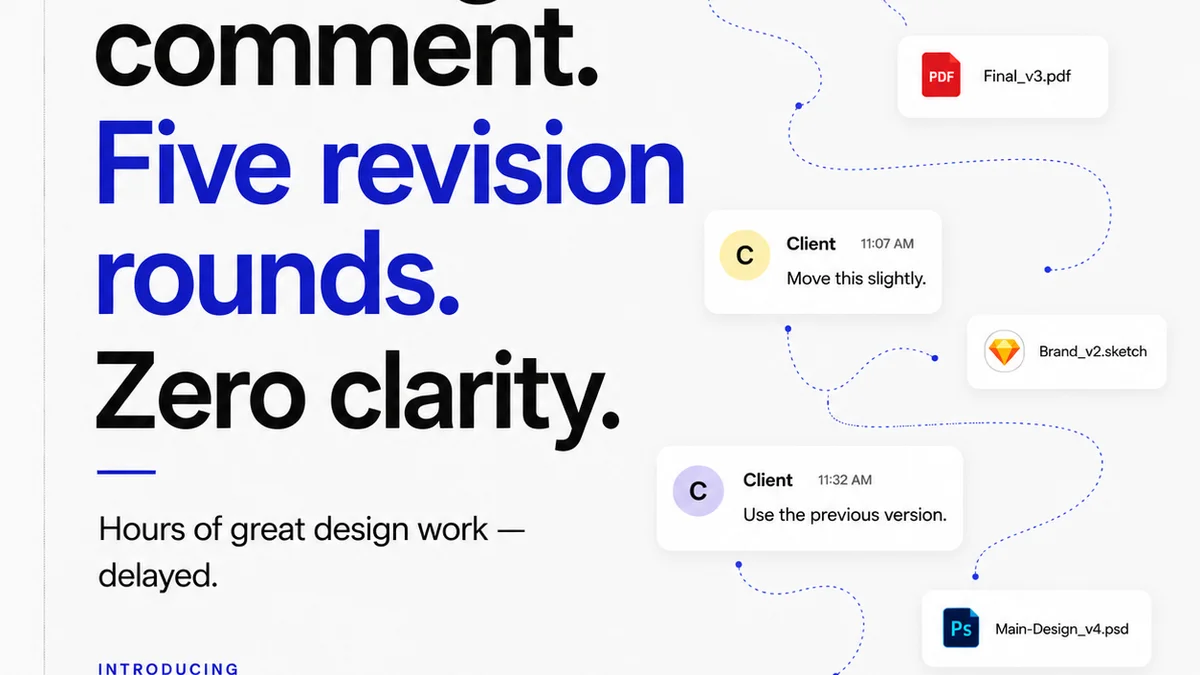
- Endless rounds of subjective feedback.
- Missed deadlines due to unforeseen revision loops.
- Inconsistent quality across different projects or teams.
- Client dissatisfaction stemming from overlooked details.
- The sheer exhaustion of manual review.
These aren't just minor irritations. They are operational drags that erode profitability and team morale.
2. AI as the New Quality Compass: Beyond Human Limitations
AI offers a different paradigm. Instead of a final gatekeeper, it becomes an integrated partner, constantly analyzing, learning, and flagging potential issues *before* they become problems.
This isn't science fiction. Tools are emerging that can analyze creative assets for technical compliance, brand consistency, and even potential accessibility issues at scale.
Predictive Quality Assurance
Imagine an AI that doesn’t just spot a misplaced logo, but flags a recurring pattern of design elements that tend to lead to client revisions. That’s predictive QA.
It moves beyond the binary of
Frequently asked questions
How can AI help with subjective creative feedback?
While AI can't replicate human artistic judgment, it can identify patterns in feedback across projects, flag recurring issues, and ensure that objective brand guidelines or technical specifications are met consistently, reducing subjective back-and-forth on non-creative elements.
What are the first steps for an agency to adopt AI in QA?
Start by identifying your biggest QA pain points. Look for AI tools that address specific issues, like automated accessibility checks or brand compliance verification. Begin with a pilot project to test and refine the process before full rollout.
Will AI replace human QA professionals?
AI is more likely to augment, not replace, human QA professionals. It automates repetitive, data-driven tasks, freeing up humans to focus on more complex problem-solving, strategic quality initiatives, and nuanced creative evaluation that AI cannot replicate.
How does AI improve efficiency in creative quality control?
AI automates time-consuming manual checks, such as verifying file formats, color profiles, or adherence to technical specifications. This speeds up the review process significantly, allowing teams to deliver projects faster and dedicate more time to creative refinement.