Everyone’s talking about AI in creative workflows. They say it’s for generating copy, creating images, or automating repetitive tasks. None of that is wrong. But it’s incomplete.
The real, disruptive impact of AI is in the *review and approval process*. It’s shifting from a bottleneck to a streamlined, data-informed function. That’s the hard truth agencies and in-house teams are grappling with.
1. Beyond Generative Magic: AI as an Auditor
Generative AI gets the spotlight, but AI’s analytical capabilities are quietly revolutionizing campaign review. Think less about AI creating the next big campaign idea, and more about AI scrutinizing the current one.
This isn't about replacing human judgment. It's about augmenting it with speed and scale we’ve never had before.
Automated Quality Assurance
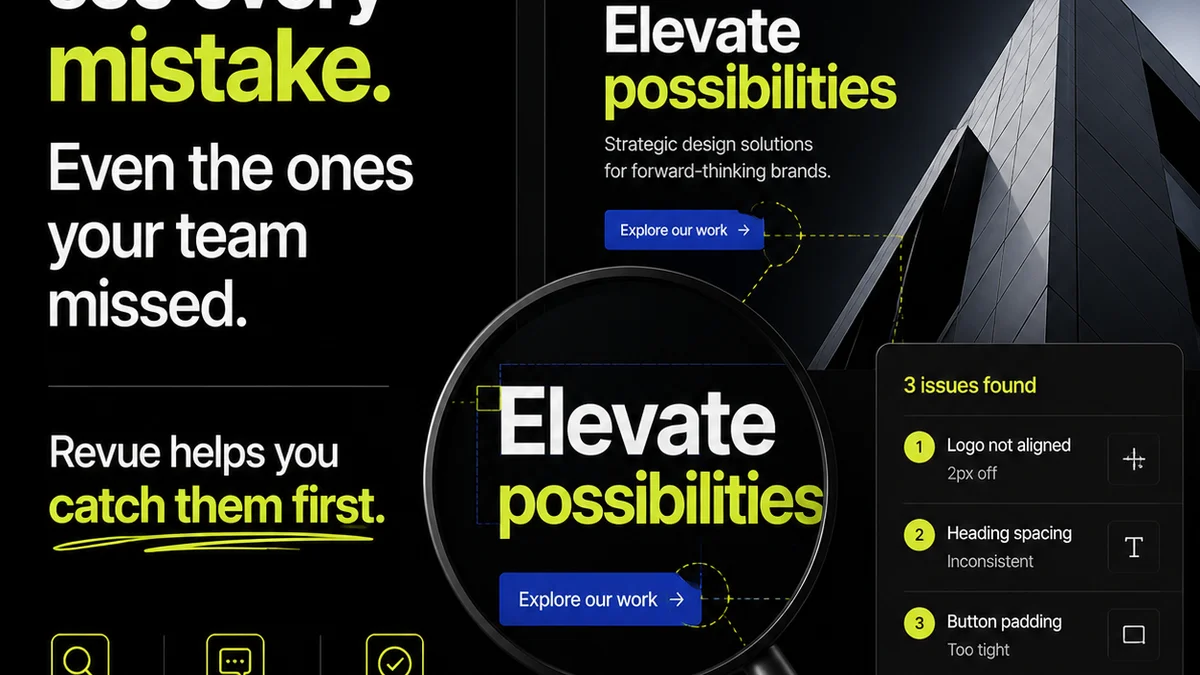
AI can now perform checks that used to take hours:
- Brand guideline adherence
- Accessibility compliance (WCAG standards)
- Grammar and spelling at scale
- Image resolution and format checks
- Consistency across multiple assets
This frees up creative directors and project managers from tedious, repetitive QA. They can focus on strategic feedback, not finding misplaced commas.
Predictive Performance Analysis
Early AI models can analyze campaign elements and predict potential performance issues. This means identifying creative that might underperform *before* it goes live.
Imagine flagging an ad creative because its color contrast is too low, or its call-to-action isn't prominent enough, based on historical data. That’s AI moving from a task-doer to a strategic advisor.
Sentiment Analysis of Feedback
Collecting client feedback is one thing. Understanding it is another. AI can process vast amounts of qualitative feedback, identifying recurring themes, sentiment (positive, negative, neutral), and urgency.
This helps teams cut through the noise and address the core concerns clients are raising, rather than getting lost in a sea of subjective comments.
2. The Data-Driven Creative Director
The traditional creative director relies on intuition, experience, and gut feeling. And that’s still vital. But AI is layering a new, powerful dimension onto that expertise: data.
Campaign review is no longer purely subjective. It’s becoming a blend of artistic vision and objective analysis.
Performance Metrics Integrated Early
Instead of reviewing a creative in a vacuum, teams can now see how similar elements performed in past campaigns. This provides context and grounds subjective opinions in empirical evidence.
Did that particular layout resonate with the target audience before? Did a certain tone of voice drive more engagement? AI can surface these insights during the review process.
A/B Testing Insights in Real-Time
AI can help manage and analyze A/B tests more efficiently. It can identify winning variations faster and provide insights into *why* certain elements perform better, informing future creative decisions during the review cycle.
This moves review from a static check to a dynamic learning opportunity.
Client Behavior Patterns
Understanding client preferences and common revision requests is crucial. AI can analyze historical feedback patterns from specific clients or client types, helping teams anticipate needs and proactively address potential points of friction.
This isn’t about guessing; it’s about informed prediction based on past interactions.
3. Streamlining the Revision and Approval Gauntlet
The cycle of feedback, revision, and approval is notoriously messy. AI offers pathways to bring order to this chaos, making the process faster and more transparent.
Automated Version Control and Comparison
AI can intelligently track revisions, highlighting changes between versions more effectively than manual comparison. It can even flag significant deviations from approved elements.
This clarity reduces confusion and the risk of accidental errors creeping in during iterative cycles.
Intelligent Routing of Feedback
Not all feedback is created equal. AI can help categorize and route comments to the right team members or stakeholders. Urgent issues can be flagged, while minor stylistic points can be batched for later review.
This ensures critical feedback gets immediate attention and prevents stakeholders from being bogged down with irrelevant comments.
Predicting Approval Bottlenecks
By analyzing historical approval times and stakeholder response patterns, AI can predict potential delays. This allows project managers to proactively chase approvals or adjust timelines.
It’s like having a project management crystal ball, powered by data.
4. Where Revue Fits In
All these AI advancements need a robust platform to be truly effective. This is where a centralized feedback and approval tool like Revue becomes indispensable.
AI isn't a replacement for a system; it's an enhancement *within* a system.
Centralized Feedback Hub: Instead of chasing feedback across emails, Slack threads, and random documents, AI tools can integrate with a platform like Revue. This ensures all AI-analyzed feedback is captured in one place, alongside human comments.
Visibility into Revisions: Revue provides a clear audit trail of all changes. When AI assists in identifying discrepancies or suggesting improvements, these can be logged and tracked within the platform, offering a complete picture of the creative evolution.
Streamlined Approvals: By integrating AI-driven insights (e.g., compliance checks, predicted performance), review teams can make faster, more informed decisions. Revue then facilitates the formal approval process, ensuring AI-informed decisions are properly documented.
Quality Checks Enhanced: AI can flag potential quality issues, but Revue provides the structure to manage these flags, assign them for correction, and track their resolution. It turns AI-detected issues into actionable tasks within a workflow.
The power isn't just in the AI; it's in how AI insights are managed, acted upon, and tracked within a dedicated workflow tool.
5. The Human Element Remains Paramount
Let’s be clear: AI isn’t making creative directors obsolete. It’s changing their role.
The focus shifts from manual drudgery to higher-level strategy, critical thinking, and nuanced judgment. AI handles the 'what' and 'how much'; humans handle the 'why' and 'should we'.
Strategic Oversight
AI can tell you if a design meets accessibility standards, but it can’t tell you if that design aligns with a new, experimental brand direction or evokes a specific emotional response. That requires human experience and intuition.
Ethical Considerations
AI can perpetuate biases present in its training data. Human oversight is crucial to ensure fairness, inclusivity, and ethical considerations are met in campaign creative, especially regarding representation and messaging.
Client Relationship Management
The art of client communication, managing expectations, and building trust is inherently human. AI can provide data, but it can’t deliver empathy or negotiate complex stakeholder relationships.
Nuance and Context
AI operates on patterns and data. It may miss the subtle cultural nuances, the inside jokes with a client, or the strategic pivot that isn't yet reflected in historical data. Human reviewers bring this essential contextual understanding.
Final Thought
AI is pushing campaign review beyond a simple sign-off. It's evolving into an intelligent, data-informed, and remarkably efficient part of the creative lifecycle.
Are you ready to leverage AI not just for creation, but for critical evaluation and optimization? Or will your review process remain a manual bottleneck in an increasingly automated world?
Frequently asked questions
How does AI help with campaign quality assurance?
AI can automate checks for brand guideline adherence, accessibility compliance (like WCAG), grammar, spelling, image resolution, and consistency across multiple assets, saving significant human review time.
Can AI predict campaign performance?
Yes, AI models can analyze creative elements and historical data to predict potential performance issues or identify elements likely to resonate with target audiences, informing review decisions before launch.
Does AI replace the need for human creative directors?
No, AI augments human capabilities. It handles repetitive tasks and data analysis, freeing up creative directors to focus on strategic oversight, nuanced judgment, ethical considerations, and client relationships.
How can AI improve the revision and approval process?
AI can assist with automated version comparison, intelligent routing of feedback to the right people, and predicting potential approval bottlenecks, making the cycle faster and more transparent.
What role does a platform like Revue play with AI in campaign review?
Revue acts as the central hub. It integrates AI insights into a structured workflow, ensuring feedback is captured, revisions are tracked, and approvals are managed efficiently and transparently, turning AI potential into actionable process.