Everyone’s talking about AI. It’s the buzziest tech word of the decade. And for creative agencies and design teams, the assumption is that AI primarily means faster image generation or perhaps smarter chatbots for client communication.
None of that is wrong. But it’s incomplete.
The deeper, harder truth is that AI is quietly revolutionizing the operational backbone of creative work: revision management. This isn’t about generating pretty pictures; it’s about streamlining the messy, often frustrating process of getting from a first draft to a final, approved asset.
1. Beyond Simple Automation: AI's Strategic Role in Revisions
We tend to think of AI as a tool for tasks. Upload a file, get an output. But its impact on revision management is far more strategic. It’s moving beyond just *doing* tasks to *understanding* and *optimizing* workflows.
Consider the sheer volume of feedback. Emails, Slack messages, annotations on PDFs, comments in cloud storage. It’s a data swamp.
AI’s first major contribution is making sense of this chaos. It can ingest and categorize feedback from disparate sources, identifying themes, sentiment, and even potential conflicts between different stakeholders' comments.
Categorizing and Prioritizing Feedback
Imagine feeding all your client feedback into a system. AI can:
- Identify similar comments from different reviewers.
- Flag urgent requests or critical issues.
- Group feedback by feature, page, or design element.
- Detect conflicting instructions that require clarification.
This isn't just about saving time; it's about ensuring that the *right* feedback gets addressed efficiently, preventing critical issues from slipping through the cracks due to sheer volume.
Predictive Analysis for Revision Cycles
One of the most exciting, yet underutilized, applications is AI’s ability to predict revision cycles. By analyzing past projects, AI can:
- Estimate the number of revision rounds likely needed for a specific type of project.
- Identify design elements or features that historically cause the most back-and-forth.
- Forecast potential bottlenecks in the approval process.
This predictive power allows teams to set more realistic client expectations and allocate resources more effectively. It shifts revision management from a reactive firefighting exercise to a proactive, data-informed strategy.
2. Enhancing Quality Control with AI
Revision management isn't just about client approvals. It's also about internal quality. AI is emerging as a powerful ally here, augmenting human oversight rather than replacing it.
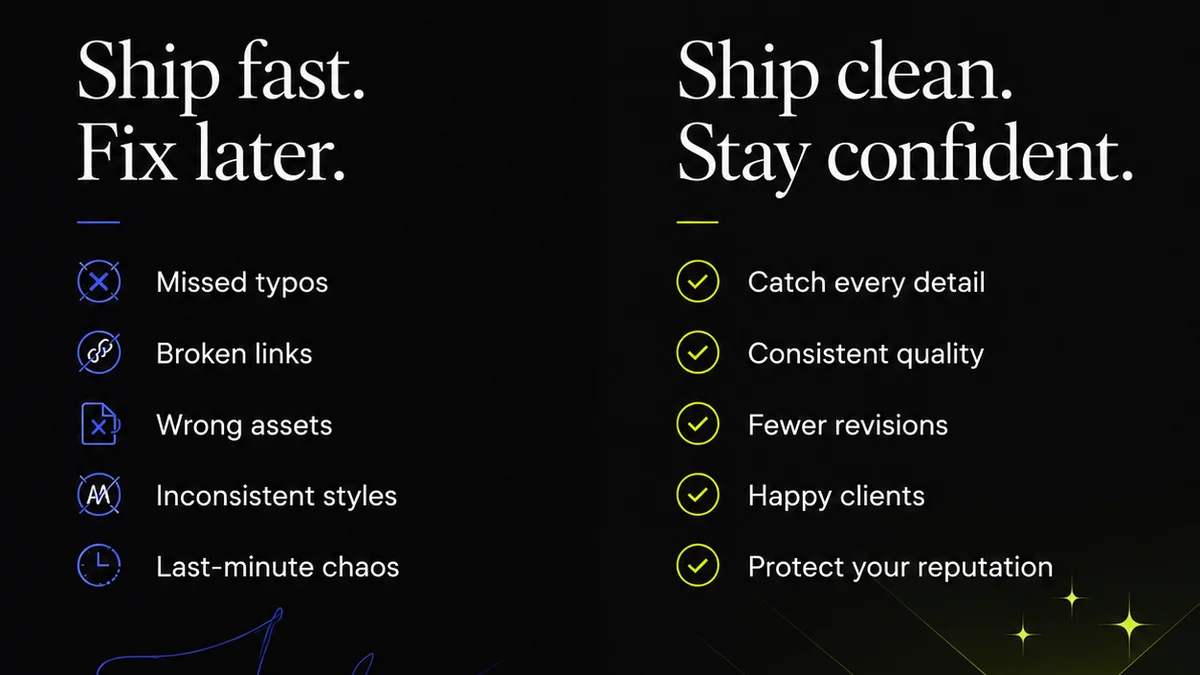
Think about common quality assurance (QA) tasks. Checking for brand guideline adherence, accessibility standards, or even basic visual consistency across multiple assets.
Automated Brand and Style Guide Compliance
AI can be trained to recognize deviations from established brand guidelines. This includes:
- Color palette consistency.
- Typography usage.
- Logo placement and variations.
- Adherence to spacing and layout rules.
This frees up designers and QA specialists to focus on more nuanced creative aspects, rather than tedious, repetitive checks. It ensures a consistent brand experience across all touchpoints.
Accessibility Auditing
Ensuring digital products are accessible to everyone is no longer optional. AI can significantly accelerate accessibility audits. While not a replacement for human testing, AI tools can:
- Identify potential contrast issues.
- Check for missing alt text on images.
- Flag improper heading structures.
- Detect keyboard navigation problems.
Tools like WAVE are early examples, and AI is making these checks even more sophisticated and integrated into the design workflow.
Visual Consistency Checks
Across a large campaign or a complex website, maintaining visual consistency is paramount. AI can scan multiple assets and flag inconsistencies in:
- Iconography styles.
- Button designs.
- Image treatments.
- Overall aesthetic.
This is invaluable for large-scale projects where manual checks can be overwhelming and prone to error.
3. Streamlining Client Communication and Approval Workflows
The client interaction part of revisions is often the most fraught with miscommunication. AI offers pathways to clarity and efficiency.
This isn't about AI writing client emails. It's about AI structuring the data that informs those communications and the approval process itself.
Intelligent Feedback Aggregation
As mentioned, AI can pull feedback from various channels. But it can also intelligently present this consolidated feedback to clients. Instead of a long, unorganized list of comments, AI can:
- Summarize key discussion points.
- Highlight areas of agreement and disagreement.
- Generate a structured list of action items tied to specific design elements.
This structured output makes it easier for clients to review, confirm, and approve revisions, reducing the likelihood of
Frequently asked questions
Can AI fully replace human oversight in revision management?
No. AI excels at automating repetitive tasks, analyzing large datasets, and identifying patterns. However, human judgment, creativity, and nuanced understanding of client relationships remain crucial for strategic decision-making and complex problem-solving in revision management.
How can AI help manage conflicting feedback from multiple stakeholders?
AI can analyze feedback from various sources, identify conflicting instructions, and flag them for clarification. It can also group similar feedback, helping teams understand the overall sentiment and prioritize which points need the most attention, facilitating a more efficient resolution.
What are the key benefits of using AI for quality control in creative work?
AI can automate checks for brand guideline compliance, accessibility standards, and visual consistency across assets. This significantly speeds up the QA process, reduces human error, and ensures a higher, more consistent quality of final deliverables.
Is AI-driven revision management suitable for small agencies?
Yes. While the initial setup might seem complex, many AI-powered tools are becoming more accessible. Even basic AI features for feedback aggregation or automated checking can provide significant efficiency gains for small teams, allowing them to compete with larger operations.