You think automating your approval workflow is about ticking boxes. Send an email, get a reply, move on. Simple, right?
None of that is wrong. But it’s incomplete.
The real power of approval workflow automation isn't just about speed. It’s about predictability, accountability, and reducing the sheer *friction* that grinds creative teams to a halt.
Here’s the hard truth: most agencies automate the wrong thing. They automate the *chase*, not the *process*. They’re still relying on manual nudges, frantic Slack messages, and hoping someone remembers to click ‘Approve’.
True automation means building a system where approvals are a natural, almost invisible, byproduct of a well-defined creative process. It’s about creating clarity, not just notifications.
1. The Illusion of 'Done'
What does 'approved' even mean in your agency? Is it a thumbs-up emoji in a Slack channel? A forwarded email with a vague 'looks good'? A verbal 'yeah, go for it' in a meeting?
This ambiguity is the enemy of automation. You can’t automate a process that’s undefined.
Think about it:
- Who is the *actual* approver, or are there multiple stakeholders?
- What criteria must be met for approval? (Brand guidelines? Client brief? Technical specs?)
- What happens if feedback is requested, not full approval?
- What's the fallback if the primary approver is out of office?
Without clear answers, your 'automated' workflow is just a slightly faster way to collect incomplete feedback.
2. The Bottleneck Isn't Technology, It's Behavior
The common assumption is that the right software will magically fix approval delays. Load up a new platform, and suddenly clients and internal teams will become prompt and decisive.
That’s a fantasy.
Technology is an enabler, not a silver bullet. The real bottleneck is human behavior and ingrained habits. Clients are busy. Internal teams have competing priorities. They’re not intentionally trying to slow you down, but they operate based on their own context and perceived urgency.
Your workflow automation must account for this reality.
Consider these behavioral traps:
- The 'I'll get to it later' syndrome: Approvers see a notification, acknowledge it mentally, and then get pulled into something else.
- The 'Vague Feedback' loop: Feedback is given, but it's not actionable. This requires back-and-forth, delaying the actual approval.
- The 'Silent Treatment': No response. This is the worst because it’s unclear if it's pending, rejected, or forgotten.
- The 'Too Many Cooks' problem: Multiple people giving conflicting feedback, leading to paralysis.
Automation that doesn't address these human elements will always fall short.
3. Building a Truly Automated System
True approval workflow automation requires a systematic approach, not just a tool.
Define Clear Roles and Responsibilities
Before you automate anything, map out who needs to approve what, and at which stage. Use RACI charts if necessary. Clarity here is paramount.
Standardize Your Process
Document your steps. What triggers the need for approval? What are the stages of review? What are the acceptable formats for feedback?
This isn't about rigid bureaucracy; it's about creating predictable pathways.
Integrate Feedback and Revisions
Approvals rarely happen on the first go. Your system needs to seamlessly handle feedback, track revisions, and then present the updated work for the *next* round of approval. This loop is critical.
Set Clear Expectations and SLAs
Communicate turnaround times to clients and internal teams. What is the expected response time for feedback? What is the standard time for final approval?
When everyone knows the rules and the stakes, compliance increases dramatically.
Leverage Technology Smartly
Use tools that facilitate clear communication, version control, and centralized feedback. But remember, the tool should support your *defined* process, not dictate it.
4. Where Revue Fits In
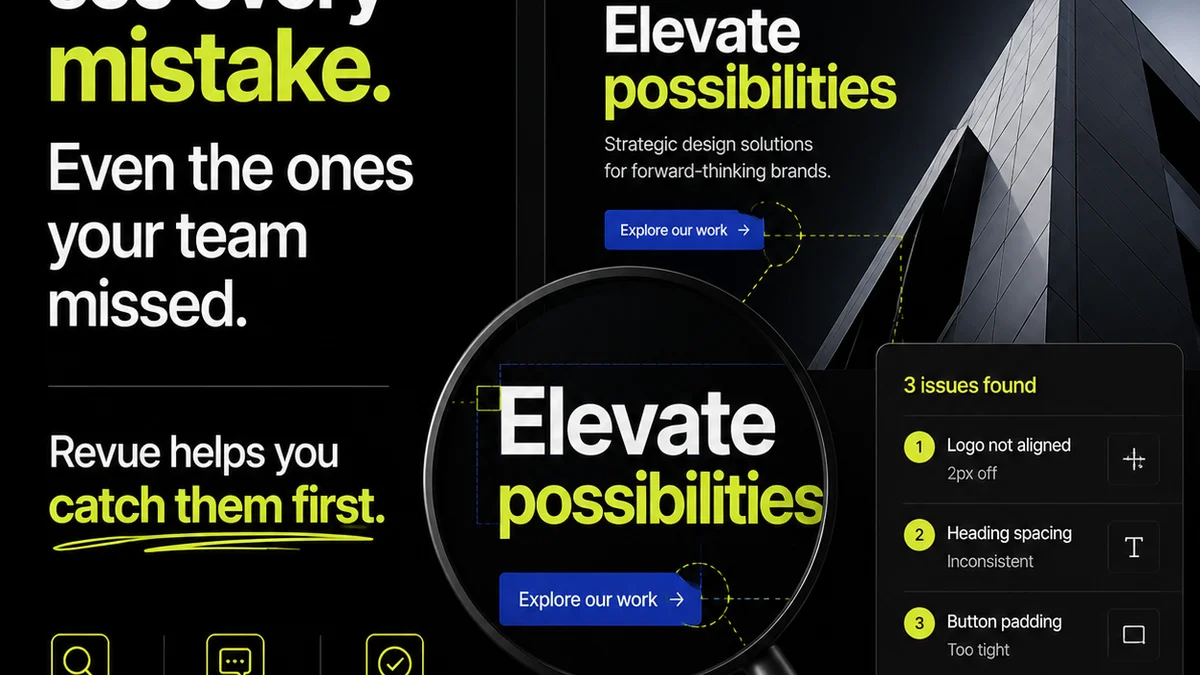
This is where a platform like Revue becomes essential. It’s built to bridge the gap between your defined process and the messy reality of creative collaboration.
Revue helps you move beyond the chase:
- Centralized Feedback: All comments, annotations, and discussions live directly on the creative asset. No more hunting through emails or Slack threads. Everyone sees the same context.
- Clear Revision Tracking: Easily upload new versions. Past versions and feedback remain accessible, so you can see the evolution and what led to the current state.
- Visibility into Approvals: Stakeholders can clearly see what’s pending their review, what feedback has been given, and what the status is. This reduces the 'out of sight, out of mind' problem.
- Streamlined Communication: Instead of scattered messages, feedback is consolidated, making it actionable and reducing the need for lengthy clarification calls.
- Quality Control: By having a structured way to review and approve, you build in quality checks naturally. Final sign-offs mean the work meets agreed-upon standards.
Revue doesn’t *force* people to be prompt, but it removes the excuses for why they can’t be. It makes the entire approval process transparent and manageable, turning a potential black hole into a visible, controllable workflow.
5. The Cost of Inaction
Every day you delay implementing a robust approval workflow is a day you're bleeding profit.
Consider the hidden costs:
- Extended Project Timelines: Waiting for approvals pushes back launch dates, impacting client satisfaction and future project capacity.
- Wasted Creative Time: Designers and account managers spend hours chasing feedback, chasing revisions, and re-doing work based on unclear instructions.
- Client Dissatisfaction: Slow turnaround and perceived disorganization damage client relationships.
- Team Burnout: The constant stress of managing a broken approval process takes a toll on your team’s morale and productivity.
Automating your approval workflow isn't an optional efficiency play. It's a fundamental business requirement for any agency serious about profitability and sanity.
Final Thought
Is your approval process a well-oiled machine, or a series of frantic phone calls and passive-aggressive emails? The difference isn't just about technology; it's about discipline, clarity, and a fundamental understanding of how people actually work.
What single change could you make today to bring more predictability to your agency's approvals?
Frequently asked questions
What is approval workflow automation?
Approval workflow automation is the process of using technology and defined procedures to streamline and expedite the steps involved in getting creative work signed off by clients or internal stakeholders. It moves beyond manual chasing and aims for a predictable, efficient system.
Why is manual approval chasing inefficient?
Manual chasing is inefficient because it relies on individual memory and proactive follow-up, which are prone to error and delay. It consumes valuable time from account managers and creative teams, diverts focus from actual creative work, and often leads to vague feedback or missed deadlines.
How can I automate my agency's approval process?
Start by clearly defining your approval stages, roles, and criteria. Standardize your feedback and revision process. Then, leverage technology like Revue to centralize feedback, track versions, and provide clear visibility to all stakeholders, making the process predictable and manageable.
What are the benefits of automating approval workflows?
Benefits include faster project turnaround times, reduced wasted creative hours, improved client satisfaction through quicker responses, better team morale by reducing stress, and increased overall agency profitability due to greater efficiency and predictability.