You think artwork approval is just about getting a client's final 'looks good.' Everyone on the marketing team signs off, the file goes out the door. Simple, right?
None of that is wrong. But it’s incomplete. Dangerously incomplete.
The hard truth is that artwork approval is rarely just a final check. It’s a complex, multi-stage process that, when broken, cripples your marketing team's ability to deliver on time and on budget. It's a workflow bottleneck disguised as a formality.
1. The Illusion of Simplicity
Most marketing teams operate under the assumption that approval is a singular event. A final review before deployment. This is a fundamental misunderstanding of the creative lifecycle.
Approval isn't a switch; it's a series of gates. Each gate has different requirements, different stakeholders, and different potential points of failure.
The Many Faces of Approval
Consider the different types of approval your marketing assets likely need:
- Internal Creative Review: Does it meet brand guidelines? Is the concept solid?
- Legal/Compliance Review: Are there any trademark issues? Does it adhere to advertising standards?
- Product Marketing Review: Is the messaging accurate? Does it reflect the latest features?
- Client Stakeholder Review: Does it align with their vision? Are there subjective aesthetic preferences?
- Localization Review: Does the translated copy fit? Are cultural nuances respected?
- Technical/Platform Review: Will it render correctly on the target platform? Does it meet file size constraints?
Each of these requires a different lens, a different set of feedback, and often, a different person or team.
Treating all these as one monolithic 'approval' stage is where the problems begin. It leads to:
- Conflicting feedback loops.
- Delayed responses because the right reviewer isn't engaged early.
- Massive revision rounds at the last minute.
- Missed opportunities for critical input that could have saved time and money.
This isn't about adding bureaucracy; it's about acknowledging reality. Artwork approval is a critical workflow, not just a final step.
2. The Real Cost of Bottlenecks
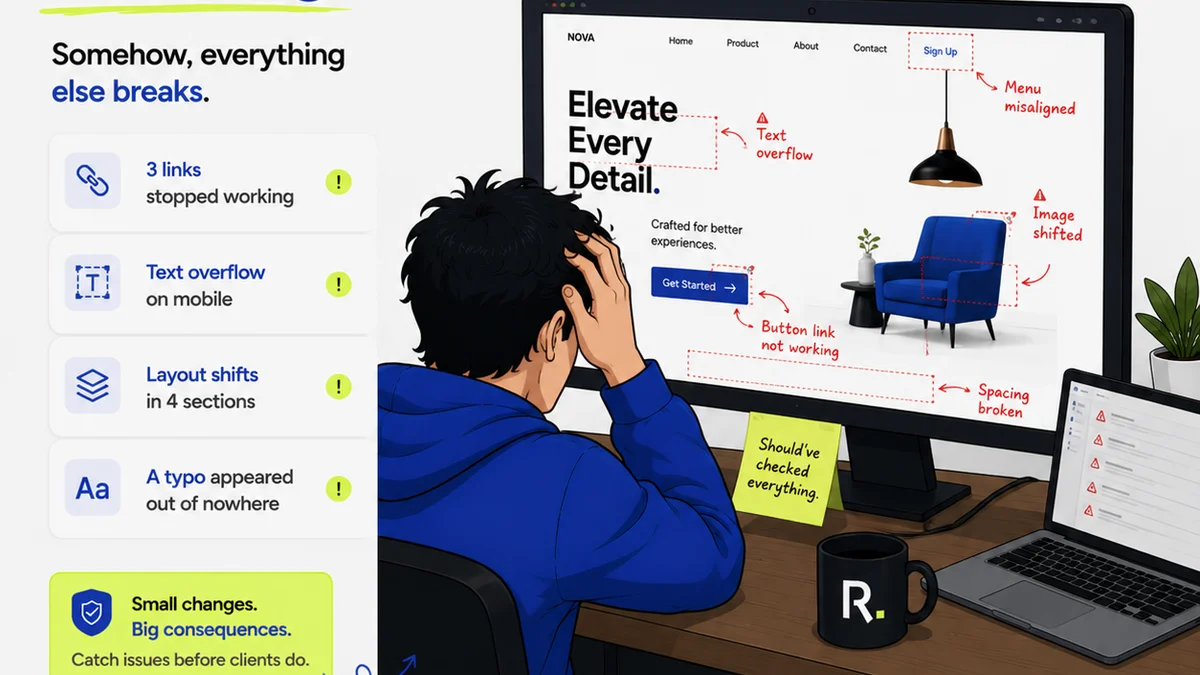
When artwork approval becomes a bottleneck, the ripple effect is immediate and damaging. It's not just about a missed deadline; it's about wasted resources and eroded trust.
Symptoms of Approval Gridlock
- Extended Timelines: Projects languish in 'pending approval' status for days, sometimes weeks.
- Scope Creep: Last-minute feedback introduces new requirements that bloat the original scope.
- Budget Overruns: More revision cycles mean more billable hours, often unbillable to the client.
- Team Burnout: Creative teams are stuck waiting, then rushed to implement late-stage changes.
- Compromised Quality: Rushed revisions often lead to errors, inconsistencies, and subpar creative.
- Damaged Client Relationships: Repeated delays and miscommunications erode client confidence.
Think about the last time a campaign launch was pushed back. Chances are, a significant factor was an overloaded or inefficient approval process.
This isn't a minor inconvenience. It directly impacts your team's productivity and your agency's profitability.
3. Common Pitfalls in the Approval Process
Why do so many marketing teams struggle with artwork approval? The reasons are usually rooted in flawed processes and a lack of clear systems.
The Usual Suspects
- Lack of a Centralized System: Feedback scattered across email chains, Slack messages, and random documents.
- Vague Feedback: Comments like 'make it pop' or 'I don't like it' without actionable context.
- Unclear Stakeholders: Not knowing who has the final say or who needs to weigh in at each stage.
- No Version Control: Working off outdated files, leading to confusion and wasted effort.
- Subjectivity Over Strategy: Approval based on personal preference rather than strategic goals or brand guidelines.
- Ignoring Technical Constraints: Approving designs that are impossible to implement within technical or budget limitations.
These aren't just minor annoyances. They are systemic issues that prevent efficient, high-quality creative delivery.
The assumption that everyone knows their role and communicates perfectly is a dangerous one.
4. Establishing a Robust Approval Workflow
Moving beyond the 'looks good' mentality requires building a structured, transparent, and efficient artwork approval workflow. This isn't about reinventing the wheel; it's about optimizing the existing one.
Key Components of an Effective System
- Define Clear Stages: Map out every approval gate required for different asset types. Who needs to review at each stage?
- Assign Clear Roles: Designate specific individuals responsible for each review stage and final sign-off.
- Centralize Feedback: Use a single platform where all feedback is logged, tracked, and visible to relevant parties.
- Set Clear Deadlines: Establish turnaround times for each reviewer.
- Standardize Feedback: Train reviewers to provide specific, actionable, and strategic feedback. Use a structured format if possible (e.g., 'Issue,' 'Recommendation,' 'Impact').
- Implement Version Control: Ensure everyone is working with the latest approved version of the artwork.
- Automate Notifications: Alert reviewers when their input is needed and notify stakeholders of progress.
- Conduct Post-Mortems: Regularly review the approval process for bottlenecks and areas of improvement.
This structured approach transforms approval from a reactive chore into a proactive, integrated part of the creative process.
5. Where Revue Fits In
Managing this complexity manually is a recipe for disaster. This is where a dedicated platform like Revue becomes essential for marketing teams.
Revue is built to streamline the entire creative review and approval lifecycle. It tackles the core challenges head-on:
- Centralized Feedback Hub: All comments, annotations, and discussions happen on the asset itself, within Revue. No more hunting through emails.
- Clear Revision History: Track every version, every change, and every approval decision. Transparency is built-in.
- Stakeholder Visibility: Everyone involved can see the status, the feedback, and the progress, reducing confusion.
- Streamlined Communication: Targeted notifications ensure the right people are alerted at the right time, keeping the process moving.
- Actionable Insights: See who is providing feedback, what the common themes are, and where delays are occurring.
- Quality Assurance Tools: Beyond just feedback, ensure assets meet technical specifications and brand standards before final approval.
By centralizing artwork approval, Revue brings order to the chaos, making the process predictable, efficient, and auditable. It ensures that 'looks good' is backed by a robust, documented, and strategic review process.
6. Final Thought
Artwork approval is not a passive final step; it's an active, critical phase of the marketing workflow. It’s where creative vision meets strategic execution and brand integrity.
Are you treating it as the crucial process it is, or just another email to clear?
Frequently asked questions
What is the biggest mistake marketing teams make with artwork approval?
The biggest mistake is treating artwork approval as a single, final step rather than a multi-stage workflow involving various stakeholders and review types (creative, legal, product, etc.). This leads to bottlenecks, delays, and rushed revisions.
How can marketing teams improve their artwork approval process?
Improvement comes from defining clear approval stages, assigning clear roles, centralizing all feedback on assets, setting turnaround times, standardizing feedback to be actionable, and using version control. A dedicated platform can automate and manage this.
What are the signs of a bottleneck in the artwork approval process?
Common signs include extended project timelines, frequent last-minute scope creep, budget overruns due to extra revision rounds, team burnout from waiting or rushing, compromised creative quality, and damaged client relationships due to delays.
Why is version control important in artwork approval?
Version control ensures that all reviewers and the final approver are working with the most current version of the artwork. This prevents confusion, reduces errors from feedback applied to outdated files, and saves significant time and effort.