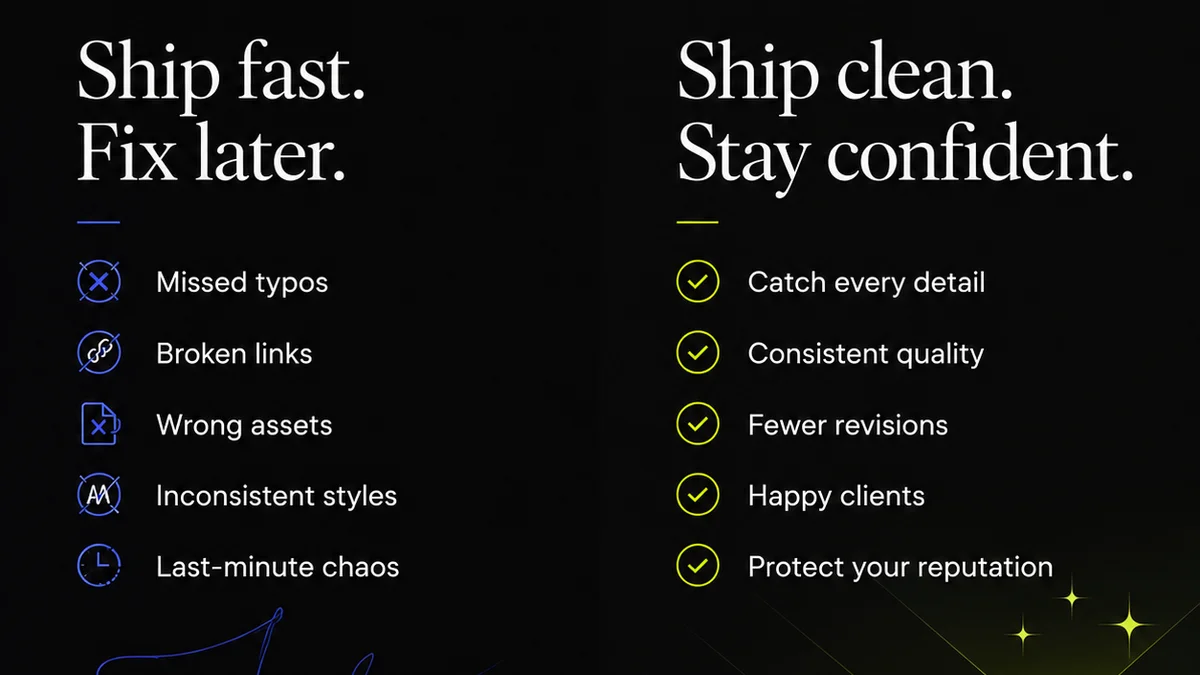
Most agencies think asset management is about keeping files tidy. A nice-to-have, maybe. Something for the designers to worry about.
None of that is wrong. But it’s incomplete.
The hard truth? For a growing agency, robust asset management isn't a luxury; it’s the bedrock of scalability. It’s the difference between chaotic growth and sustainable, profitable expansion. It directly impacts your team’s efficiency, your client satisfaction, and ultimately, your bottom line.
1. The Hidden Costs of Disorganization
The Myth of 'Finding It Eventually'
You’ve heard it: “We’ll find it.” Or worse, “Just recreate it.” This casual approach to file management is a slow leak that can sink an agency. Every minute spent hunting for a lost file, a specific version, or a client’s brand guidelines is a minute not spent on billable work or strategic client engagement.
Think about the ripple effect:
- Delayed project starts because assets aren't ready.
- Frustrated designers duplicating effort.
- Client confusion over which version is final.
- Missed deadlines and the associated panic.
- Burnout from team members constantly fighting the system.
Beyond the Desktop Folder
This isn't just about desktop folders or a shared drive that’s become a digital dumping ground. It’s about the lost opportunities and the added expenses that compound over time. A single lost logo file can cost hours of recreation and client frustration. A poorly organized client folder can lead to using outdated brand assets, damaging brand integrity and requiring costly rework.
The cost isn’t just in wasted hours; it’s in damaged client relationships and a reputation for disorganization.
2. Scaling Your Capacity: The Asset Management Multiplier
Streamlining Workflows for Growth
As an agency grows, the sheer volume of projects and assets explodes. Without a system, your team gets bogged down. They spend more time managing files than creating great work. This bottlenecks your entire operation.
Effective asset management acts as a multiplier for your team’s capacity. It means:
- Faster onboarding for new team members who can quickly access project histories and brand assets.
- Quicker turnaround times because the right files are always at their fingertips.
- Easier collaboration, both internally and with external partners.
- Reduced risk of errors and inconsistencies across projects.
The Efficiency Engine
Imagine a project kicking off. Instead of digging through emails, Slack channels, and disparate cloud storage, your team can instantly pull up a dedicated project folder with all approved logos, fonts, templates, and past campaign assets. This isn't a fantasy; it's the operational reality for efficient agencies.
This efficiency translates directly to profitability. More output with the same (or fewer) resources means higher margins. It means you can take on more clients without your team feeling overwhelmed.
3. Protecting Your Intellectual Property and Client Trust
Brand Consistency is Non-Negotiable
Your clients trust you with their brand. They expect you to be the guardian of their visual identity. Inconsistent asset usage—wrong logos, outdated color palettes, incorrect taglines—erodes that trust faster than almost anything else.
A centralized, version-controlled system ensures that everyone on your team, and even your clients during review, is always working with the definitive, approved assets. This is crucial for:
- Maintaining brand integrity across all touchpoints.
- Preventing costly mistakes and legal issues related to IP.
- Building a reputation as a reliable, professional partner.
Securing Your Agency’s Assets
Beyond client assets, think about your own agency’s proprietary templates, workflows, and creative assets. These are valuable intellectual property. How are they stored? Who has access? Are they backed up securely?
A proper asset management strategy includes security protocols, access controls, and backup procedures, safeguarding your agency’s most valuable digital resources.
4. Improving Client Communication and Approval Cycles
Clarity Reduces Revisions
Misunderstandings about project scope or feedback are often rooted in unclear communication around assets. When clients can’t easily see the latest version or understand what needs approval, it leads to endless rounds of revisions.
A system that clearly displays the current asset, any associated feedback, and the revision history brings much-needed clarity. It helps clients understand the process and provide more targeted feedback.
Visibility Builds Confidence
Clients appreciate transparency. When they can log in and see exactly where a project stands, which assets are approved, and what feedback has been actioned, it builds confidence. They feel more in control and less anxious about the process.
This visibility streamlines the approval process, reducing friction and speeding up project completion. Happy clients are repeat clients.
Where Revue Fits In
This is where a tool like Revue becomes indispensable for growing agencies. It's not just about storing files; it's about managing the entire creative lifecycle around those assets.
Revue provides a central hub for:
- Centralized Client Feedback: No more sifting through endless email threads. All feedback on specific assets is gathered in one place, linked directly to the version being reviewed.
- Revision and Approval Visibility: Track every change, every approval, and every iteration. Your team and your clients have a clear, auditable trail of decisions, reducing confusion and disputes.
- Quality Checks: Ensure that only approved, final assets are used. By integrating feedback and approval directly into the workflow, you minimize the risk of outdated or incorrect assets making their way into client deliverables.
Think of Revue as the control tower for your creative output, ensuring that the right assets are used, at the right time, with everyone on the same page.
Final Thought
Is your agency’s approach to asset management truly serving your growth ambitions, or is it an invisible drag on your potential? The answer lies not in how tidy your folders are, but in how efficiently your team can access, use, and get approval for the creative assets that define your clients’ brands.
Frequently asked questions
What are the biggest risks of poor asset management for a design agency?
Poor asset management leads to wasted time searching for files, duplicated work, missed deadlines, inconsistent branding, client dissatisfaction, and potential security breaches. These operational inefficiencies directly impact profitability and scalability.
How does asset management help an agency scale?
By streamlining workflows, providing quick access to approved assets, and facilitating collaboration, asset management allows agencies to handle more projects with greater efficiency. This increases capacity without proportionally increasing overhead, enabling sustainable growth.
Can asset management improve client relationships?
Yes. Clear visibility into asset versions, feedback, and approval cycles builds client trust and confidence. It reduces misunderstandings, speeds up approvals, and ensures brand consistency, leading to happier clients.
What's the difference between file organization and asset management?
File organization is about arranging files logically. Asset management is a strategic approach that includes organization, version control, access permissions, metadata, and integration into the creative workflow to ensure assets are used effectively and efficiently throughout their lifecycle.