You think your creative requests process is pretty solid. You’ve got a brief template. You’ve got a project brief meeting. You’ve got a sign-off form.
None of that is wrong. But it’s incomplete.
The hard truth is, most agencies and in-house teams don't have a *process* for creative requests. They have a series of *steps*. And the difference is critical. A process is a system designed for efficiency and quality. Steps are just… actions. Taken in sequence.
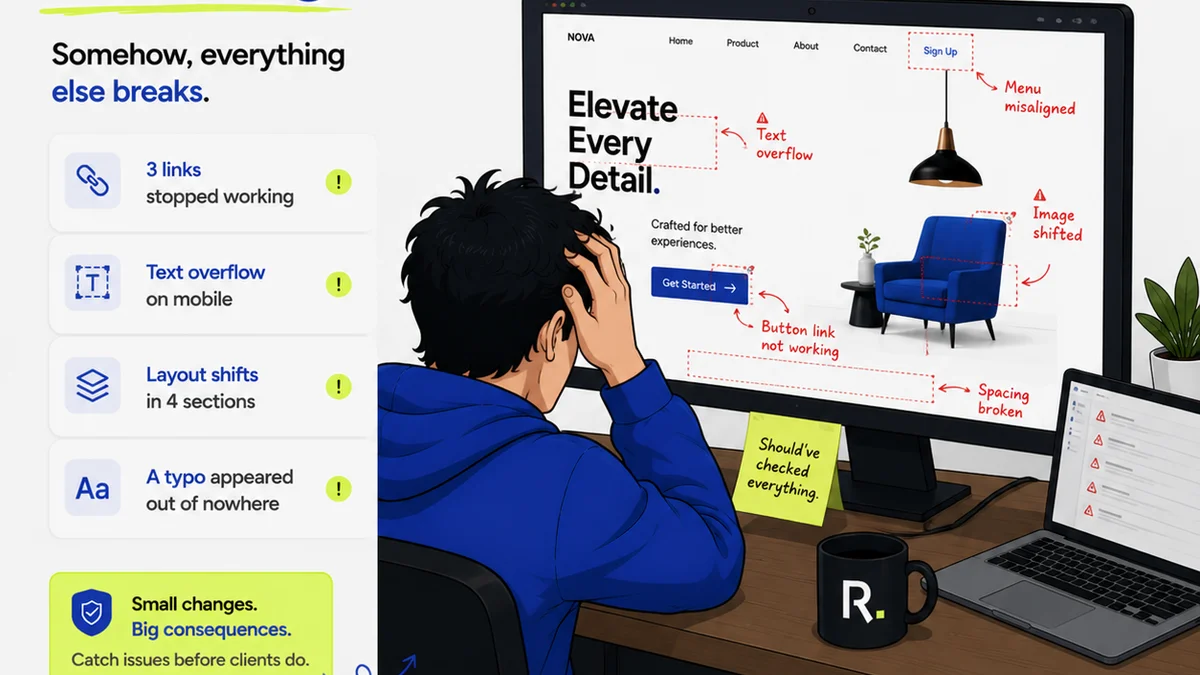
Most creative requests processes are a mess of miscommunication, lost context, and duplicated effort. They’re built on assumptions, not data. And they cost you time, money, and sanity.
It’s time to audit yours. Not to find blame, but to find opportunities. To see where the friction points are. Where the information gets lost. Where the client gets confused. And where your team gets frustrated.
This isn't about adding more forms or more meetings. It’s about surgically identifying the flaws in how creative work is initiated and understanding the real impact on your bottom line.
1. Map the Current State (The “As-Is”)
Before you can fix anything, you need to see how things *actually* work, not how you *think* they work. Grab a whiteboard. Or a digital equivalent. And start mapping.
A. Identify Every Touchpoint
Think about every single interaction related to a creative request, from the moment an idea sparks to the moment the project is handed off to production or delivered.
- Client emails a vague idea.
- Account manager tries to flesh it out via chat.
- Briefing call with client (often missing key people).
- Internal team debrief.
- Account manager sends a formal brief.
- Client makes edits to the brief.
- Internal team reviews the brief (sometimes).
- Project manager assigns tasks.
- Designer starts work based on a brief that might be outdated or misinterpreted.
- Client asks clarifying questions via email.
- Account manager tries to answer them.
- Designer stops work to wait for clarification.
- Revision cycle begins.
This is just a snapshot. Your map will be unique.
B. Trace the Information Flow
For each touchpoint, ask: What information is exchanged? Who has it? Who needs it? Where is it stored? Is it accessible?
This is where the cracks start to show. Information lives in email threads, Slack channels, Google Docs, sticky notes, and the heads of individuals.
Context gets lost. Crucial details are missed. The same questions get asked over and over.
C. Note the Tools Used (and Misused)
What software are you using for each step? Email? Slack? Asana? Trello? Google Workspace? A dedicated project management tool? A CRM?
Often, tools are shoehorned into workflows they weren’t designed for. Slack is great for quick chats, terrible for tracking formal requests. Google Docs are fine for collaborative writing, but a nightmare for version control on briefs that change constantly.
This mapping exercise is about brutal honesty. No sugarcoating.
2. Identify the Friction Points
Once you have your map, you can start to see the chokeholds. The bottlenecks. The points of maximum pain for both your team and your clients.
A. Where Does Information Get Lost?
This is the most common culprit. A request comes in, gets discussed, maybe documented, then gets passed along. By the time it reaches the designer, key context is missing. Or worse, it’s been misinterpreted.
Symptoms:
- “I thought you said…”
- “The brief said X, but the client is asking for Y.”
- Endless clarification loops.
- Re-doing work because of misunderstood requirements.
B. Where Are the Duplicated Efforts?
How many times is the same information entered, requested, or confirmed? Every duplication is wasted time and an opportunity for error.
Think about:
- Account managers re-briefing internal teams after a client call.
- Designers asking clients questions that were already answered in an email chain.
- Project managers chasing down status updates from multiple sources.
C. Where is the Context Disconnected?
Creative requests are rarely isolated events. They’re part of a larger client relationship, a broader campaign, or a strategic goal. If that context isn’t readily available with the request, the creative output will likely miss the mark.
This leads to:
- Work that doesn’t align with brand strategy.
- Ideas that are technically feasible but strategically unsound.
- Clients feeling like you don’t “get” their business.
D. Where Are the Approval Gaps?
Are approvals clear? Are they documented? Do you know *who* approved *what* and *when*? Vague approvals or lack of clear sign-off is a recipe for scope creep and disputes.
This is often masked by:
- “Just make the small change.”
- Verbal approvals that are never logged.
- Email chains that get buried.
3. Quantify the Impact (The Real Cost)
This is where many audits stop. They identify the problems. But they don’t connect them to the business impact. You need to quantify the cost of your broken process.
A. Time Lost
Estimate the hours spent each week on:
- Chasing down information.
- Clarifying requests.
- Re-doing work due to miscommunication.
- Managing requests across disparate tools.
- Endless internal debriefs to decipher briefs.
Multiply that by your average hourly loaded cost. It’s likely staggering.
B. Money Lost
This comes from several places:
- Wasted labor hours (as above).
- Scope creep that isn’t billed.
- Client dissatisfaction leading to lost future business.
- Delayed project timelines impacting revenue recognition.
- Lower profit margins due to inefficiency.
C. Morale Impact
Don’t underestimate the toll on your team. Constant frustration, rework, and feeling like they’re fighting the process erodes morale. Happy teams do better work.
Unhappy teams?
They leave.
4. Benchmark Against Best Practices
Now that you know your pain points, look at how a *real* process should work. This isn't about copying others, but understanding the principles of effective creative request management.
A. Centralized Intake
All requests, regardless of source, should funnel into a single, defined point of entry. This is your command center.
B. Standardized Briefing
Use a comprehensive, templated brief that forces clarity on objectives, audience, deliverables, budget, timeline, and success metrics. Make it required.
C. Contextual Information
The brief should live alongside all relevant client history, brand guidelines, previous campaign assets, and strategic goals. No digging required.
D. Clear Ownership and Accountability
Every request needs a clear owner on the client side and the agency side. Approvals must be explicit and traceable.
E. Version Control and Audit Trail
Every change, every comment, every approval must be logged and visible. You need to know the history.
F. Integrated Communication
Feedback and discussions should happen *within* the context of the request, not in separate email threads or chat channels.
Where Revue Fits In
This is where a tool like Revue can transform your creative request process from a series of disconnected steps into a cohesive, efficient system.
Think about it:
- Centralized Feedback: Instead of feedback scattered across emails, Slack, and random documents, Revue brings it all into one place, directly attached to the creative asset. No more hunting for that one crucial comment.
- Revision and Approval Visibility: Every version, every comment, every approval is tracked. You and your clients can see the entire history, understand what changed, who approved it, and when. This eliminates ambiguity and prevents scope creep.
- Quality Checks: With all feedback and approvals logged, you have a clear audit trail. This makes it easier to ensure that all requirements have been met before final delivery, reducing errors and improving the final output.
Revue acts as the single source of truth for creative feedback and approvals, streamlining the entire process from initial request to final sign-off.
Final Thought
Your creative request process isn't just a set of forms and meetings. It's the engine that drives your creative output. If that engine is sputtering, inefficient, or constantly breaking down, the quality and profitability of your work will suffer.
Auditing your process isn’t a one-time task. It’s a commitment to continuous improvement. Are you ready to see how your process *really* stacks up?
Frequently asked questions
What is the biggest mistake agencies make with creative requests?
The biggest mistake is treating creative requests as a series of disconnected steps rather than a cohesive process. This leads to lost information, duplicated effort, and miscommunication.
How can I make my creative brief template more effective?
Ensure your template forces clarity on objectives, target audience, key deliverables, budget, timeline, and success metrics. Make it a mandatory part of the request process.
How do I quantify the cost of a bad creative request process?
Calculate the time spent on chasing information, clarifying requests, and re-doing work. Factor in scope creep that isn't billed and potential loss of future business due to client dissatisfaction.
What are the key components of an effective creative request process?
Key components include centralized intake, standardized briefing, readily available contextual information, clear ownership and accountability, robust version control, and integrated communication.