Everyone talks about brand consistency. It’s the holy grail for large organizations. The assumption is that if everyone just follows the guidelines, the brand will magically appear cohesive across every touchpoint. None of that is wrong. But it’s incomplete.
The hard truth? Guidelines are only as good as the process that enforces them. Without a robust audit of your branding process, those guidelines become suggestions. And suggestions are the enemy of consistency.
1. Map Your Current Branding Ecosystem
Before you can audit, you need to know what you’re auditing. This means mapping out every single touchpoint where your brand makes an appearance.
Identify All Brand Touchpoints
This isn’t just about marketing collateral. Think broader:
- Digital: Website, social media, email signatures, app interfaces, online ads, webinars, internal comms platforms (Slack, Teams).
- Print: Brochures, business cards, stationery, packaging, event signage, annual reports.
- Physical: Office interiors, vehicle wraps, uniforms, merchandise.
- Customer Service: Scripts, support documentation, IVR systems.
- Product: UI/UX, onboarding flows, error messages.
- Sales: Presentations, proposals, contracts.
Be exhaustive. Every interaction counts.
Document the Workflow for Each Touchpoint
For each touchpoint identified, map out the entire lifecycle. Who is involved? What are the steps? What tools are used? Where does feedback happen? Where are approvals given?
This can be messy. You’ll uncover shadow processes and undocumented workarounds. That’s the point.
2. Assess Your Brand Governance Structure
Who owns the brand? Who makes decisions? Who enforces the rules?
Clarify Roles and Responsibilities
In large enterprises, branding often gets diffused. Is there a central brand team? Do individual departments have their own brand managers? Are agencies involved? Are there regional leads?
Clearly define who is responsible for:
- Brand strategy and evolution
- Asset creation and management
- Guideline development and updates
- Training and onboarding
- Enforcement and quality control
Ambiguity here is a direct path to inconsistency.
Evaluate Communication Channels
How are brand updates disseminated? How is feedback collected and actioned? Are there clear channels for asking questions or seeking clarification?
Inefficient communication leads to outdated information and missed instructions.
3. Dig Into Asset Creation and Management
This is where the rubber meets the road. How are brand assets actually created, stored, and accessed?
Audit Your Asset Repository
Where do brand assets live? Is it a single, searchable DAM (Digital Asset Management) system? Or is it a chaotic mix of shared drives, cloud storage folders, and individual desktops?
A disorganized asset library is a goldmine for outdated logos, incorrect color palettes, and off-brand imagery.
Examine the Creation Workflow
When a new piece of collateral is needed, what’s the process?
- Is there a clear brief?
- Are approved templates readily available?
- Who reviews the creative output against brand standards?
- How is feedback provided? Is it centralized or scattered across emails and calls?
- What are the revision cycles like?
Slow, manual, and fragmented creation processes breed errors.
4. Scrutinize Feedback and Approval Loops
This is often the biggest bottleneck and the most fertile ground for brand drift.
Analyze Feedback Mechanisms
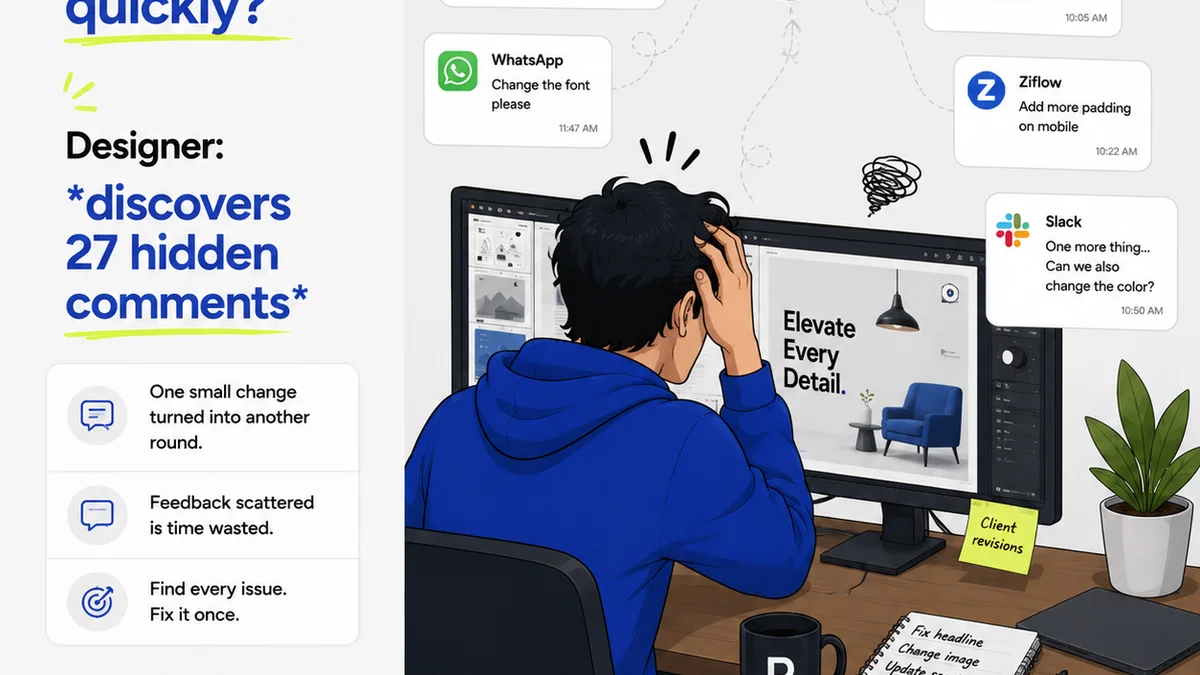
How is feedback collected? Is it consolidated in one place? Or do you have stakeholders emailing Mark, Slack-ing Sarah, and leaving comments on a PDF that’s already three versions old?
Scattered feedback means missed comments, conflicting instructions, and endless back-and-forth.
Review Approval Workflows
Who has final approval? Is it clear? Is there a documented sign-off process? Are approvals tracked?
When approvals are informal or rely on a verbal nod, it’s easy for details to slip through. A missed apostrophe in a tagline, a slightly off-hue blue – these details matter.
This also applies to external agencies. Are their submissions subjected to the same rigorous approval process?
5. Evaluate Quality Assurance and Enforcement
How do you catch things before they go live?
Assess QA Procedures
Is there a dedicated QA step for brand compliance before any asset is published or distributed?
Who performs this QA? What checklist do they use? Is it a formal process or an afterthought?
Understand Enforcement Tactics
What happens when an asset *is* found to be off-brand?
- Is there a process for recall or correction?
- Are the individuals or teams responsible educated on the error?
- Are there consequences, or is it just a gentle nudge?
Enforcement without a clear process is just complaining.
Where Revue Fits In
Auditing your branding process will reveal friction points. These are often points where communication breaks down, feedback gets lost, and approvals go unchecked. This is precisely where a tool like Revue can make a tangible difference.
Revue centralizes client feedback, transforming scattered comments from emails, calls, and disparate docs into actionable, organized input. This means fewer missed instructions and clearer revision cycles.
It provides a single source of truth for approvals, ensuring that every sign-off is documented and visible. No more chasing down verbal confirmations or relying on memory.
Furthermore, by having a clear, visible history of feedback and approvals for each creative asset, you build a stronger foundation for quality control. You can easily see what was requested, what was delivered, and what was approved, making it much harder for off-brand elements to slip through the cracks.
Final Thought
Brand consistency isn’t an accident. It’s the result of intentional, well-oiled processes. If your brand feels inconsistent, stop blaming the guidelines or the designers. Start looking critically at the engine that produces your brand output.
What’s one part of your branding process that you suspect is broken?
Frequently asked questions
What is the main goal of auditing an enterprise branding process?
The main goal is to identify inefficiencies, bottlenecks, and points of failure in how a brand's identity is created, managed, and applied across all touchpoints, ultimately ensuring greater consistency and adherence to brand standards.
How can I identify all brand touchpoints in a large organization?
Start by brainstorming categories like digital, print, physical, customer service, product, and sales. Then, involve stakeholders from different departments to ensure a comprehensive list of every single interaction where the brand is present.
What are the key components of brand governance to assess?
Key components include clarifying roles and responsibilities for brand ownership and enforcement, and evaluating the effectiveness and clarity of communication channels for brand updates and feedback.
How does feedback collection impact brand consistency?
Scattered or poorly managed feedback often leads to conflicting instructions, missed comments, and inconsistencies. Centralizing feedback ensures all input is seen, understood, and actioned correctly, maintaining brand integrity.
What role does a Digital Asset Management (DAM) system play in branding?
A DAM system serves as a centralized, organized repository for all brand assets. It ensures that users access the correct, up-to-date logos, imagery, and templates, significantly reducing the risk of using off-brand materials.