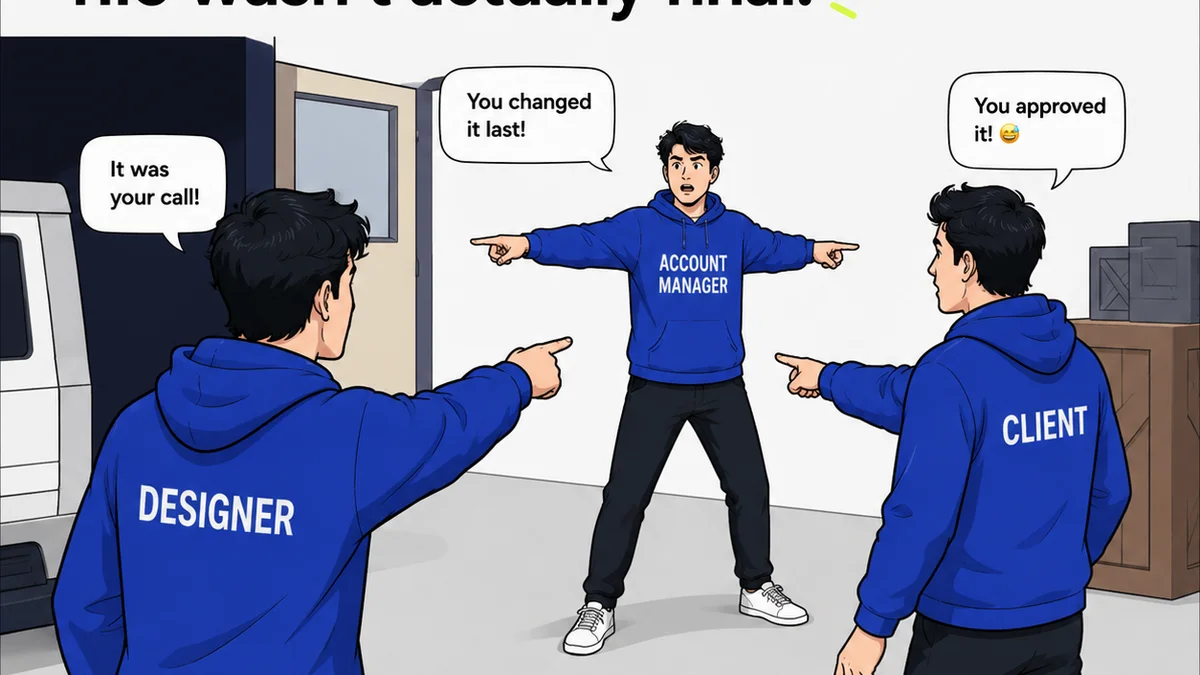
You think your design process is solid. You’ve got briefs, rounds of revisions, client sign-offs. It’s working, right?
None of that is wrong. But it’s incomplete.
The real truth? Most marketing design processes are a black box. We assume they’re efficient because projects eventually get done. But behind the scenes, there’s often chaos, duplicated effort, and missed opportunities that drain time and money. It’s not about *if* you have a process, it’s about *how well* it’s working.
An audit isn’t about finding fault. It’s about finding clarity. It’s a deep dive into every step, from initial brief to final delivery, to identify bottlenecks, inefficiencies, and areas ripe for improvement. Get this right, and you’ll see better work, happier clients, and a healthier bottom line.
1. Mapping the Current State: Your Design Journey
Before you can fix anything, you need to see what you’re actually doing. Not what you *think* you’re doing, but the reality.
Grab your team. Grab a whiteboard. Or a digital equivalent. Map out every single step involved in a typical marketing design project.
The Briefing Black Hole
Where does the project begin? With a brief, presumably. But how good is it?
- Who creates the brief?
- How detailed is it? (Goals, audience, deliverables, tone, examples)
- Is there a standardized template?
- How is it stored and accessed?
- How long does it take to get a complete brief?
A weak brief is the root of endless revisions. If you don’t nail this, nothing else matters.
Concepting and Ideation: The 'Magic' Phase
This is where creativity supposedly flows. But is it structured or chaotic?
- How are initial concepts developed?
- Are there internal reviews before client exposure?
- How many concepts are typically presented?
- What’s the feedback mechanism for internal concept review?
This phase often feels intangible, but it needs structure. Unstructured ideation leads to wasted effort.
Design and Development: The Build
This is the core execution. Where do the hours really go?
- What software is used?
- How are design files organized? (Naming conventions, folder structure)
- What’s the process for asset creation?
- How are different design variations handled?
- Is there a system for version control?
Messy file management and lack of version control are productivity killers. You’re losing time searching for files or working on outdated versions.
Feedback and Revisions: The Gauntlet
This is where most processes break down. Client feedback is notoriously difficult.
- How is client feedback collected? (Email, calls, meetings, dedicated tools?)
- How is feedback consolidated from multiple stakeholders?
- How are revisions assigned and tracked?
- What’s the process for communicating scope creep?
- How are approval checkpoints managed?
Uncentralized, chaotic feedback loops are the single biggest drain on design teams. It’s a recipe for scope creep and client frustration.
Quality Assurance and Delivery: The Finish Line
The final steps. Often rushed.
- What checks are performed before delivery? (Brand guidelines, technical specs, accessibility)
- Who is responsible for QA?
- How are final files prepared and delivered?
- Is there a final sign-off process?
Skipping QA might seem like saving time, but it leads to errors, rework, and damaged client trust.
2. Identifying the Bottlenecks: Where Time Goes to Die
Once you’ve mapped it out, look for the friction points. Where does work get stuck? Where do delays happen most often?
Common culprits:
- Waiting for information: Incomplete briefs, unclear client requests.
- Waiting for approvals: Indecisive clients, slow internal sign-offs.
- Rework due to unclear feedback: Vague comments, conflicting stakeholder opinions.
- Technical issues: File compatibility, software glitches, incorrect specs.
- Scope creep: Uncontrolled requests for work beyond the original agreement.
- Internal miscommunication: Team members working on outdated information or tasks.
Be ruthless. Ask: “Does this step add value, or is it just busywork?”
3. Measuring Performance: The Metrics That Matter
You can’t improve what you don’t measure. But what should you measure?
Forget vanity metrics. Focus on operational efficiency and impact:
- Project Cycle Time: Total time from brief to final delivery.
- Revision Rounds: Average number of revision cycles per project.
- Time per Revision Round: How long does each round typically take?
- Client Feedback Turnaround: How long does it take clients to respond?
- Internal Handoff Time: How long does it take between internal stages?
- Resource Allocation: Where are designers spending most of their time? (Concepting, revisions, QA?)
- Client Satisfaction Scores (if tracked): Correlate with process efficiency.
Track these over time. Look for trends. Are things getting better or worse?
4. Streamlining and Optimizing: Fixing the Leaks
Now for the action. How do you plug those leaks?
Standardize Everything Possible
Templates are your friend. For briefs, for project plans, for status reports, for file structures.
Consistency reduces cognitive load and minimizes errors.
Implement Clear Communication Protocols
Define how and where feedback is given. Who is the single point of contact for feedback? What’s the expected response time?
Centralized communication reduces misunderstandings.
Automate Repetitive Tasks
Can any part of the workflow be automated? File naming, basic QA checks, reporting?
Look for tools that can handle the grunt work.
Refine Your Briefing Process
Invest time upfront. Make briefs mandatory and thorough. Train clients on what makes a good brief.
A few extra hours on the brief saves days of rework.
Establish Strict Revision and Approval Workflows
Define the number of included revision rounds. Implement clear approval gates. Use tools that track feedback visually and systematically.
No more
Frequently asked questions
What is a marketing design process audit?
A marketing design process audit is a systematic review of every step involved in creating marketing designs, from initial brief to final delivery. Its goal is to identify inefficiencies, bottlenecks, and areas for improvement.
Why is auditing my design process important?
Auditing your design process helps uncover hidden time drains, reduce costly rework, improve team collaboration, enhance client satisfaction, and ultimately boost profitability by making your operations more efficient.
What are the common bottlenecks in a design process?
Common bottlenecks include unclear briefs, inefficient feedback loops, delayed client approvals, scope creep, poor file management, lack of version control, and inadequate quality assurance. These issues lead to wasted time and resources.
How can I measure the success of my design process improvements?
Measure success by tracking key metrics like project cycle time, the number and duration of revision rounds, client feedback turnaround time, and client satisfaction scores. Look for consistent improvements over time.
How does Revue help with design process auditing?
Revue centralizes client feedback, provides clear visibility into revision history and approval status, and helps standardize the review process. This data and structure are invaluable for identifying and addressing inefficiencies during an audit.