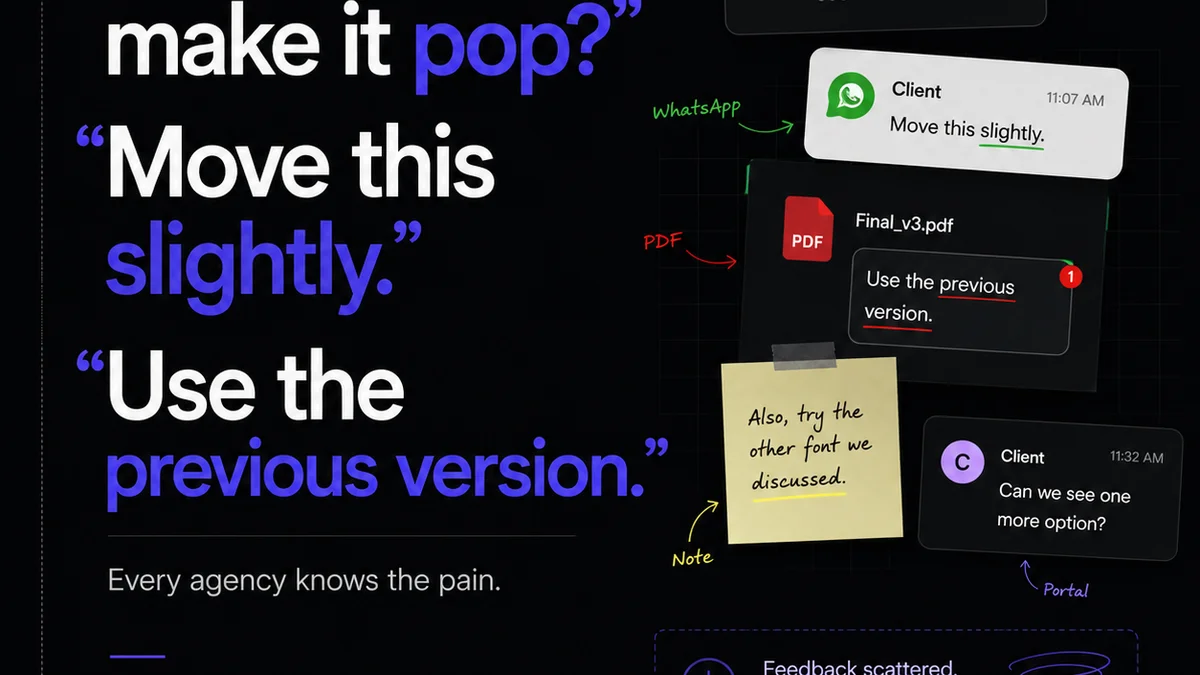
Everyone wants to be faster. Clients demand it. Competitors seem to deliver it. And the pressure to churn out high-quality creative work at warp speed is real.
The common advice? Hustle harder. Work longer hours. Embrace the chaos. Cut corners. None of that is wrong. But it’s incomplete.
The hard truth is that true creative leaders don't just push for speed; they architect systems that enable both speed and quality, consistently. It’s not about heroic individual effort; it’s about intelligent process.
1. The Myth of the All-Nighter
We romanticize the all-nighter. The caffeine-fueled sprint to the finish line. It feels like dedication. Like passion.
But sustained high-quality creative output rarely comes from a place of perpetual exhaustion.
Think about it:
- Creativity suffers when the brain is fried.
- Mistakes multiply when you're tired.
- Team morale plummets with chronic overtime.
- Burnout becomes inevitable.
This isn't sustainable. It's a recipe for mediocrity disguised as urgency.
2. Quality Isn't an Accident; It's Designed
Quality in creative work isn't a happy byproduct of brute force. It’s the result of deliberate design choices baked into the workflow.
This means:
Defining
Frequently asked questions
How can I improve creative output speed without sacrificing quality?
Focus on process. Streamline feedback loops, clarify briefs, automate repetitive tasks, and ensure clear approval stages. This builds efficiency into the system, rather than relying on individual heroics.
What are the biggest pitfalls of prioritizing speed over quality?
The biggest pitfalls include increased errors, burnout, damaged client relationships due to subpar work, and a decline in team morale. It's a short-term gain with long-term negative consequences.
How does clear communication impact the speed-quality balance?
Crystal clear communication, starting with the brief, is foundational. It minimizes misunderstandings, reduces unnecessary revisions, and ensures everyone is aligned, directly boosting both speed and quality.
What role does technology play in balancing speed and quality?
Technology, like project management or feedback tools, can automate tasks, centralize communication, and provide clear visibility into project status. This frees up creative time and reduces errors.