You’ve heard the term: DesignOps. It’s everywhere. The whispers say it’s about making designers’ lives easier, streamlining workflows, and boosting creativity. None of that is wrong. But it’s incomplete.
The hard truth? DesignOps isn’t a magic wand. It’s a deliberate, disciplined approach to managing the *business* of design. It’s about operational excellence, not just creative comfort.
Think of it this way: a beautiful product design is useless if the process to get there is a chaotic mess. DesignOps brings order to that chaos. It’s the plumbing, the electrical wiring, the foundation that allows the creative genius to shine without tripping over itself.
1. What DesignOps Actually Is (And Isn't)
DesignOps is the orchestration and optimization of people, processes, and tools to amplify design’s value and impact at scale. It’s the operational backbone that supports a thriving design function.
It’s easy to assume DesignOps is just for massive tech companies with hundreds of designers. That’s a convenient excuse for smaller agencies and in-house teams to ignore it. But that’s precisely where it’s needed most.
For agencies and teams without a dedicated DesignOps lead, the 'operations' often fall on the shoulders of overloaded designers or project managers. This is a recipe for burnout and inefficiencies.
The Core Pillars of DesignOps
- People: Fostering a supportive, collaborative, and growth-oriented environment for designers.
- Process: Defining and refining workflows for efficiency, consistency, and quality.
- Tools: Selecting, implementing, and managing the right technology stack to support design work.
- Culture: Building a design-centric mindset across the organization.
It’s about creating systems that allow design to move faster, smarter, and with greater impact, without sacrificing quality or innovation.
2. Why Your Agency Needs DesignOps, Even If You're Small
The assumption is that DesignOps is a luxury, a nice-to-have for big players. The reality is, it’s a necessity for survival and growth in today’s competitive landscape.
Without a structured approach, creative operations become reactive. You’re constantly putting out fires instead of building a fireproof system.
Consider the common symptoms:
- Missed deadlines due to unclear scope or scope creep.
- Inconsistent client feedback loops leading to rework.
- Tool sprawl and confusion about which platform to use for what.
- Designers spending more time on administrative tasks than creative work.
- Lack of visibility into project status and potential bottlenecks.
- Difficulty onboarding new team members into established workflows.
These aren’t just minor annoyances. They are operational failures that cost time, money, and client satisfaction. DesignOps addresses these head-on.
The Cost of Inaction
Ignoring operational efficiency means:
- Increased project costs due to wasted time and resources.
- Lower team morale and higher turnover.
- Compromised design quality as teams rush to meet unrealistic demands.
- Stifled innovation because there’s no bandwidth for experimentation.
DesignOps isn't about adding bureaucracy; it's about removing friction.
3. Implementing DesignOps: A Practical Approach
You don’t need a dedicated DesignOps team to start. You need a mindset shift and a commitment to improving your processes.
Start small. Identify your biggest operational pain points and tackle them one by one.
Step 1: Audit Your Current State
Where are you losing time? What processes are clunky? What tools are underutilized or causing confusion?
Talk to your team. They’re on the front lines and know exactly where the friction points are. Document everything.
Step 2: Define Your Ideal Workflow
Based on your audit, map out what an ideal process would look like. Be specific.
- How is a new project initiated and scoped?
- How is feedback collected and consolidated?
- What are the stages of revision and approval?
- How is final work handed off?
- What are the quality assurance steps?
This isn’t about rigid rules; it’s about creating clarity and predictability.
Step 3: Standardize Tools and Processes
Choose a core set of tools that integrate well and serve your primary needs. Resist the urge to adopt every new shiny tool.
Document your standardized processes. Create templates, checklists, and guidelines. Make it easy for everyone to follow the playbook.
Step 4: Foster Communication and Collaboration
DesignOps relies on open lines of communication. Ensure feedback mechanisms are clear and accessible.
Regular check-ins, clear roles and responsibilities, and shared documentation are crucial.
Step 5: Measure and Iterate
Track key metrics. Are projects being completed faster? Is client satisfaction improving? Is the team happier?
DesignOps is an ongoing effort. Continuously evaluate what’s working and what isn’t, and be prepared to adapt.
4. Where Revue Fits In
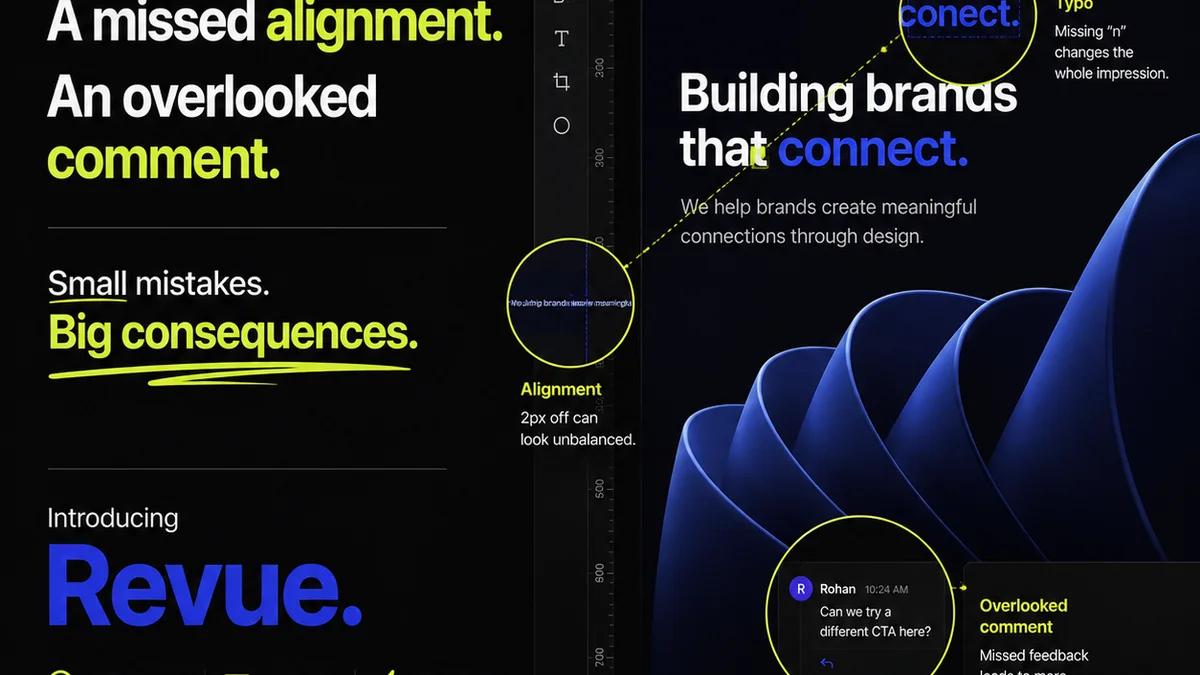
The operational challenges in creative agencies often revolve around managing feedback, revisions, and approvals effectively. This is where a tool like Revue can be transformative for DesignOps.
Centralizing client feedback eliminates the fragmented communication that plagues many projects. Instead of hunting through emails, Slack messages, and scattered documents, all feedback lives in one place, linked directly to the creative asset.
This provides a clear, chronological record of discussions and decisions. Revision and approval tracking becomes transparent. Stakeholders can see exactly what stage a project is in and what actions are pending.
Automated quality checks, or at least a standardized review process facilitated by the platform, ensure that creative work meets established criteria before client delivery. This reduces the likelihood of last-minute issues derailing a launch.
By streamlining these critical touchpoints, Revue frees up designers and project managers to focus on creative problem-solving rather than administrative overhead. It’s a practical application of DesignOps principles, directly addressing common workflow bottlenecks.
5. Common DesignOps Pitfalls to Avoid
Even with the best intentions, teams can stumble when implementing DesignOps. Knowing these pitfalls can help you sidestep them.
Over-Complication
The biggest mistake is trying to build a perfect, all-encompassing system from day one. Start with the most pressing problems.
Boil it down. What’s the one thing that, if fixed, would make the biggest difference?
Ignoring the Human Element
DesignOps is about people. If your processes feel robotic or overly rigid, they’ll face resistance. Involve your team in shaping the solutions.
Get buy-in. Make it clear how these changes benefit them, not just the bottom line.
Tool Fixation
Don’t fall into the trap of thinking a new tool will solve everything. Tools are enablers, not solutions. The process and people are paramount.
Focus on the workflow first, then find the tools that best support it.
Lack of Leadership Buy-In
Without support from leadership, any operational change will struggle. Ensure stakeholders understand the value and are committed to the effort.
Communicate the ROI. Show how DesignOps contributes to profitability and growth.
Final Thought
DesignOps is not a trend; it's a fundamental shift in how creative work gets done. It’s about treating design as a strategic business function, not just an artistic endeavor.
Are you ready to move beyond the buzzword and build an operational engine that truly amplifies your team’s creative potential?
Frequently asked questions
What is the main goal of DesignOps?
The main goal of DesignOps is to optimize the processes, tools, and people involved in the design workflow to increase efficiency, improve quality, and amplify the value and impact of design within an organization.
Do I need a dedicated DesignOps team to get started?
No, you don't need a dedicated team. DesignOps is a mindset and a set of practices. You can start by identifying your biggest operational pain points and implementing small, iterative improvements to your existing processes.
How does DesignOps help with client feedback?
DesignOps helps by establishing clear, centralized, and efficient processes for collecting, consolidating, and acting on client feedback. This reduces confusion, minimizes rework, and ensures feedback is addressed systematically.
Is DesignOps only for large companies?
Absolutely not. DesignOps principles are highly beneficial for agencies and in-house teams of all sizes. Smaller teams often face significant operational challenges that DesignOps can effectively address.