Everyone talks about client approval software as the magic bullet for getting sign-offs faster. That’s the sales pitch, and it’s not entirely wrong. Faster approvals mean quicker project completion. But if you think that’s the *only* reason to invest in the best client approval software, you’re missing the real operational advantage.
The hard truth? The best approval software doesn’t just speed up sign-offs; it fundamentally transforms how you manage client feedback, mitigate risks, and ensure creative quality at every stage.
1. Centralizing Feedback: The End of the Email Avalanche
Remember the days of wading through endless email threads, trying to piece together feedback from multiple stakeholders? Subject lines like 'Re: Re: Re: FINAL FINAL FINAL FEEDBACK!!!' were a weekly, if not daily, occurrence.
This chaotic communication is a major bottleneck. It leads to:
- Missed feedback
- Conflicting instructions
- Wasted revisions
- Frustrated teams and clients
The best client approval software acts as a single source of truth. All feedback, comments, and annotations live in one place, directly on the creative asset. No more digging through inboxes.
The Power of Context
When feedback is attached directly to the visual element it refers to, context is preserved. A comment on a specific button color is immediately understood. A note about typography on a headline is unambiguous.
This clarity reduces back-and-forth. It minimizes the chances of misinterpretation, a common pitfall when feedback is relayed verbally or through disconnected messages.
Consolidated Stakeholder Input
Sophisticated approval tools allow multiple stakeholders to provide feedback simultaneously. You can assign roles, track who has provided input, and see all comments side-by-side. This prevents the 'one person's feedback overrides everyone else's' scenario and ensures all voices are heard and considered systematically.
2. Streamlining Revisions and Approvals: From Pain Point to Process
Approvals aren't just about a final 'yes' or 'no'. They are a critical phase in the creative lifecycle. When this phase is clunky, projects stall, budgets balloon, and client relationships fray.
The goal isn't just to get approval; it's to make the *process* of getting approval efficient and transparent.
Version Control That Actually Works
Every revision creates a new version. Without proper tracking, it’s easy to work on an outdated version or for clients to reference a previous iteration. Good approval software keeps a clear, chronological record of every version uploaded.
You can easily compare versions, revert to older ones if necessary, and always ensure everyone is working from the latest iteration. This is crucial for maintaining project momentum.
Clear Decision Pathways
Who needs to approve what? What happens if there’s a disagreement? The best client approval software allows you to define custom approval workflows.
You can set up sequential approvals (e.g., Art Director approves, then Client Lead approves) or parallel approvals (e.g., both approve simultaneously). This removes ambiguity and ensures the right people sign off at the right time.
Automated Notifications
Chasing clients for feedback is a drain on agency resources. Automated notifications, triggered by new uploads or pending approvals, keep the process moving without manual intervention. Reminders can be sent automatically to stakeholders who haven't yet reviewed or approved assets.
3. Enhancing Quality Control: Catching Issues Before They Escalate
This is where many agencies fall short. They see approval software as a sign-off tool, not a quality assurance (QA) tool. But the very features that facilitate approvals can be leveraged for rigorous QA.
Detailed Annotation and Markup Tools
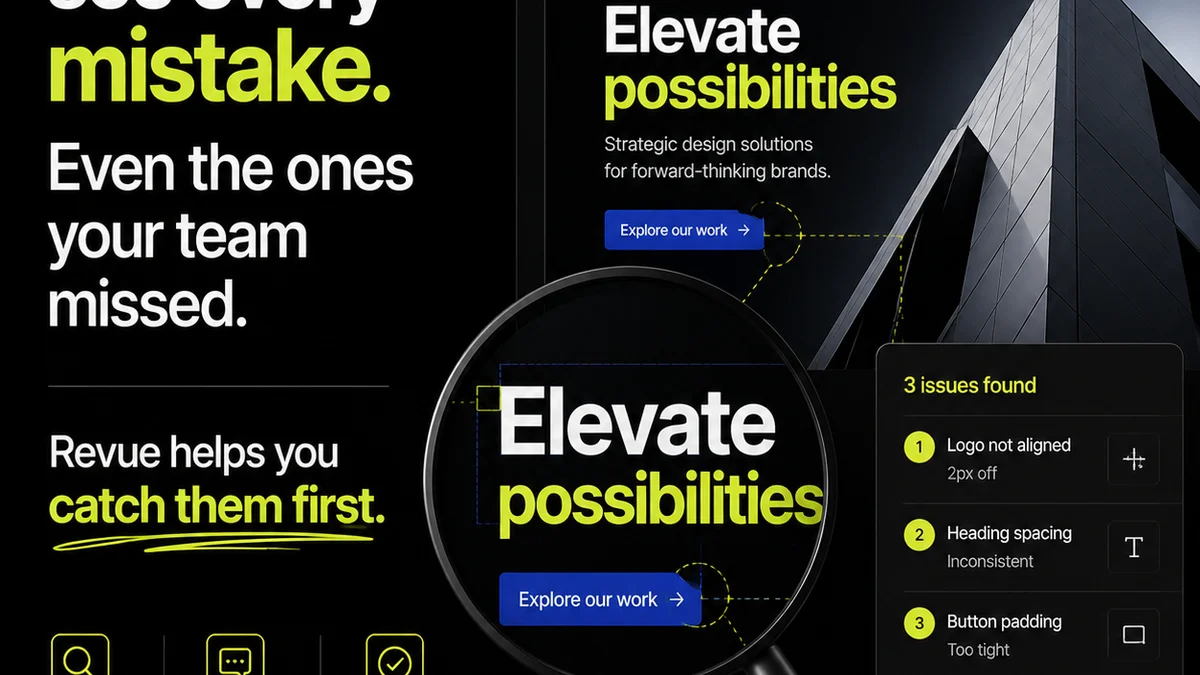
Beyond simple comments, advanced software offers precise annotation tools. You can draw boxes, circles, or add specific markup directly onto the creative. This precision is vital for detailed feedback on layout, spacing, or specific design elements.
For web and app design, this extends to functionality testing. You can leave notes on interactive elements, user flows, or broken links, ensuring the final product is not just aesthetically pleasing but also functionally sound.
Checklists and Compliance Tracking
Many creative projects have specific requirements – brand guidelines, accessibility standards, legal disclaimers. The approval process is the perfect time to verify these.
Some tools allow you to build custom checklists that reviewers must complete or acknowledge. This ensures that critical elements like WCAG accessibility compliance or adherence to brand style guides are not overlooked.
Performance Metrics and Reporting
Understanding how long approvals take, who is delaying them, and which assets require the most revisions offers valuable insights. This data can highlight process inefficiencies or recurring client issues.
Use this data to refine your workflows, manage client expectations better, and identify areas where more detailed upfront briefing might be needed.
4. Improving Client Collaboration and Transparency
Clients want to feel involved, but they also want the process to be easy and professional. The right software bridges this gap.
A Professional Client Experience
Presenting clients with a dedicated platform for feedback and approvals elevates your agency’s professionalism. It shows you have a structured, efficient process in place.
Clients appreciate the ease of use, the clarity of the feedback mechanism, and the ability to track project progress transparently. This builds trust and strengthens the client-agency relationship.
Reduced Misunderstandings
When feedback is captured visually and systematically, the potential for subjective interpretation and subsequent arguments is significantly reduced. Everyone is looking at the same thing, with the same comments, at the same time.
This transparency fosters a more collaborative environment, where discussions are focused on the work itself, not on deciphering unclear feedback.
Where Revue Fits In
This is where the rubber meets the road. You need a system that doesn't just collect comments but actively manages the entire feedback loop.
Revue is built for this. It’s your central hub for client feedback, designed to eliminate the chaos of scattered communication.
- Centralized Feedback: All client comments, annotations, and approvals live in one place, directly on your creative assets. No more lost emails or confusing spreadsheets.
- Revision & Approval Visibility: Track every version, see who has reviewed what, and manage custom approval workflows with ease. Understand the status of every asset at a glance.
- Quality Checks: Integrate quality assurance into your approval process. Use checklists, ensure brand compliance, and verify that all feedback has been actioned before final sign-off.
Revue helps you move beyond simply getting a 'yes' to ensuring the 'yes' means the work is truly ready.
5. Mitigating Scope Creep and Managing Expectations
Scope creep is the silent killer of agency profitability. Uncontrolled revisions and subjective feedback are often the culprits.
Client approval software, when used strategically, becomes a powerful tool against it.
Establishing Clear Milestones
Each review stage in your approval workflow acts as a defined milestone. By requiring formal approval at each stage, you get client buy-in on the direction before you invest heavily in final execution.
If a client wants to pivot significantly *after* approving a milestone, it’s a clear signal that the scope may be changing, prompting a conversation about additional time and budget.
Documenting Agreed-Upon Revisions
Every revision cycle within the software is documented. This creates an indisputable record of what was requested and what was delivered. If disputes arise later about whether a certain change was requested, the software provides the evidence.
This accountability is essential for protecting your agency’s time and resources.
Final Thought
The
Frequently asked questions
What is the primary benefit of client approval software?
While speeding up sign-offs is a benefit, the primary advantage is centralizing all client feedback and revisions in one place, creating a single source of truth that prevents miscommunication and missed feedback.
How does client approval software help prevent scope creep?
By establishing clear review milestones and documenting all requested changes, approval software provides accountability. If clients request changes after a milestone is approved, it flags potential scope creep, prompting discussions about additional time and budget.
Can client approval software improve my agency's professionalism?
Yes, offering clients a dedicated, easy-to-use platform for feedback and approvals demonstrates a structured and efficient process, enhancing your agency's professional image and building client trust.
Is client approval software only for final sign-offs?
No, the best client approval software also serves as a critical quality assurance tool. Its annotation, markup, and checklist features help catch issues related to design, functionality, and compliance before final delivery.