Everyone’s looking for the best CRM for marketing teams in 2026. They scour review sites, comparing feature lists like they’re picking out a new smartphone. More integrations, better AI, fancier dashboards.
None of that is wrong. But it’s incomplete.
The hard truth? The best CRM isn't a tool you buy; it's a system you build around your actual workflow. It’s about how your team collaborates, how feedback flows, and how you actually get work done, not just how many fields you can customize.
1. The Myth of the All-in-One Solution
The marketing tech stack is a jungle. Every vendor promises to be the single source of truth, the ultimate hub. They tout endless integrations and a dizzying array of modules.
This often leads to more complexity, not less. Teams end up spending more time managing the CRM than using it for actual marketing.
What you really need is a CRM that plays well with others, not one that tries to do everything poorly.
Focus on Core Needs
Before you even look at a CRM, map out your essential marketing processes:
- Lead generation and nurturing
- Campaign planning and execution
- Content creation and approval
- Performance tracking and reporting
- Client communication and feedback loops
Your CRM should excel at your core needs and integrate seamlessly with specialized tools you already use.
2. Data Silos Are the Enemy
A CRM’s primary job is to centralize customer data. But for marketing teams, this extends to campaign data, creative assets, and feedback.
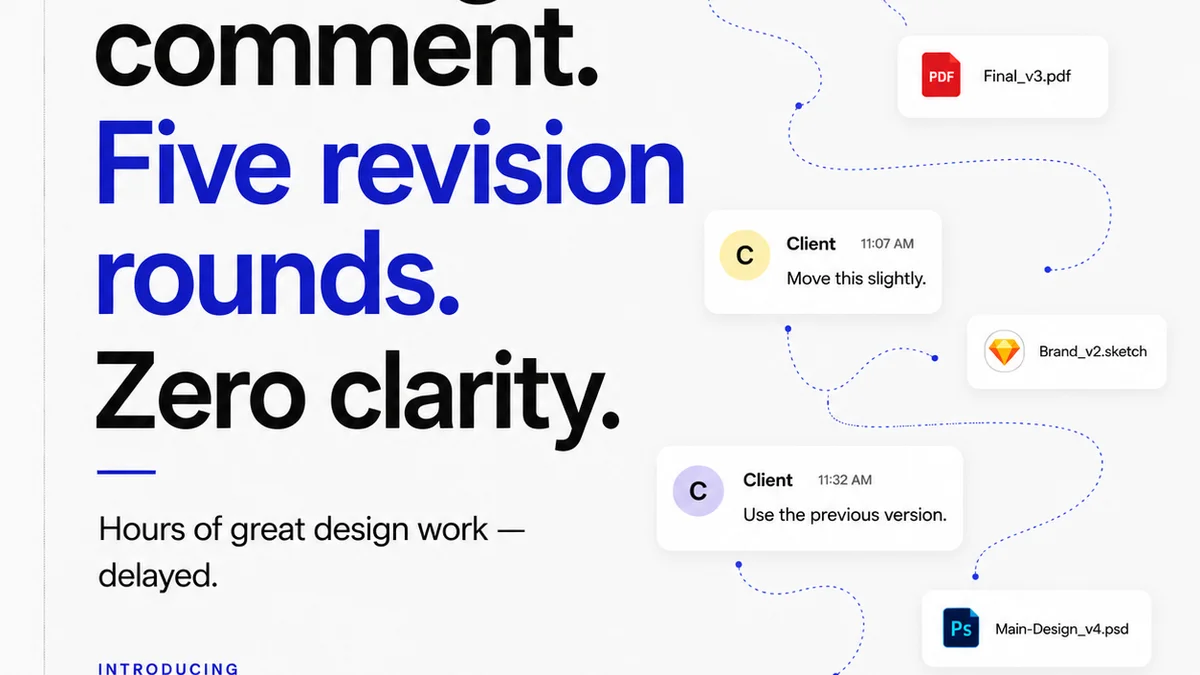
When client feedback lives in email threads, creative revisions are scattered across cloud storage, and campaign performance is buried in separate analytics platforms, your CRM isn't much help.
This fragmentation kills efficiency and leads to costly mistakes.
Connecting the Dots
The best CRMs for marketing teams allow you to connect disparate data points. Think:
- Linking campaign performance directly to lead sources.
- Attaching client feedback to specific creative assets.
- Tracking the entire customer journey from first touch to closed deal.
This unified view is crucial for making informed decisions and optimizing your marketing spend.
3. Workflow Alignment Over Feature Bloat
Your marketing team has a unique way of working. A CRM that forces you into a rigid, one-size-fits-all process will inevitably cause friction.
The most effective CRMs are flexible. They adapt to your team’s existing workflows, rather than demanding a complete overhaul.
Consider how easily a CRM can accommodate:
- Your specific approval processes.
- Your methods for managing multiple client projects simultaneously.
- Your team’s communication style.
If the CRM feels like a hurdle, it's the wrong CRM.
Customization vs. Configuration
Many CRMs offer deep customization. But true workflow alignment often comes from smart configuration. You want a system that can be tweaked to fit your process without requiring a developer.
4. The Feedback Loop is Your Lifeline
For agencies and in-house teams working with clients or stakeholders, managing feedback is paramount. A CRM that ignores this critical step is failing its marketing users.
How does your CRM handle:
- Centralizing feedback on marketing collateral?
- Tracking revisions against client comments?
- Providing visibility into approval status?
If feedback is an afterthought, your projects will suffer.
Visibility is Key
A robust CRM should offer clear visibility into the status of creative assets and client feedback. This prevents bottlenecks and ensures everyone is on the same page.
Where Revue Fits In
While a CRM manages client relationships and sales data, it often falls short when it comes to the granular details of creative production and client feedback.
This is where Revue excels. We bridge the gap between your CRM's high-level client management and the day-to-day execution of marketing projects.
Revue provides a centralized platform for:
- Client Feedback: Consolidate all comments, markups, and approvals on creative assets in one place. No more digging through emails or Slack messages.
- Revision Management: Track every version of a creative asset, ensuring you're always working with the latest iteration and can easily revert if needed.
- Approval Workflows: Streamline the approval process with clear, auditable steps, reducing delays and miscommunication.
- Quality Assurance: Implement checklists and standardized review processes to ensure all creative output meets brand guidelines and project requirements before final delivery.
By integrating Revue with your CRM, you gain a complete picture: from lead acquisition and client management in your CRM to seamless creative feedback and approval within Revue. This unified approach ensures your marketing campaigns are not only well-managed but also executed flawlessly.
5. Scalability: Growing Pains or Growth Engine?
Your marketing needs will evolve. The CRM you choose today needs to be able to grow with you.
Consider:
- Can it handle an increasing volume of leads and clients?
- Can you add new users and features easily?
- Does its pricing model scale affordably?
A CRM that becomes a bottleneck as you grow is a liability, not an asset.
Future-Proofing Your Stack
Look for CRMs that offer a clear roadmap, invest in R&D, and have a strong community or support system. This indicates a commitment to staying relevant and adaptable.
Final Thought
The
Frequently asked questions
What is the primary function of a CRM for a marketing team?
A CRM for a marketing team should centralize customer data, track interactions, manage leads, and support campaign execution. Crucially, it should also integrate with other tools to provide a holistic view of the customer journey and marketing performance.
How important is CRM integration with other marketing tools?
Integration is vital. A CRM that doesn't connect with your email marketing platform, analytics tools, or creative review software creates data silos, hindering efficiency and accurate reporting. Seamless integration ensures a unified view of your marketing efforts.
Should a CRM handle creative asset management and feedback?
While some CRMs offer basic file storage, they typically lack the specialized features needed for robust creative asset management and detailed feedback. Tools like Revue are designed for this, complementing your CRM by centralizing feedback and revisions on creative work.
How do I choose a CRM that fits my team's workflow?
Map your current marketing processes first. Then, evaluate CRMs based on their flexibility and ability to adapt to your existing workflows, rather than forcing you to change how you work. Prioritize ease of use and configurability over excessive features.