Everyone knows publications need proofing. It’s a given. You’ve heard it a million times: accuracy, clarity, brand consistency. That’s all true. But if you think proofing software is just about catching typos, you’re missing the real operational advantage.
The hard truth? The best proofing software for publications isn’t just a safety net for errors. It’s a critical engine for workflow efficiency, client collaboration, and team accountability. It’s about managing the *entire* review and approval cycle, not just the final polish.
1. Centralized Feedback: The End of Email Chains
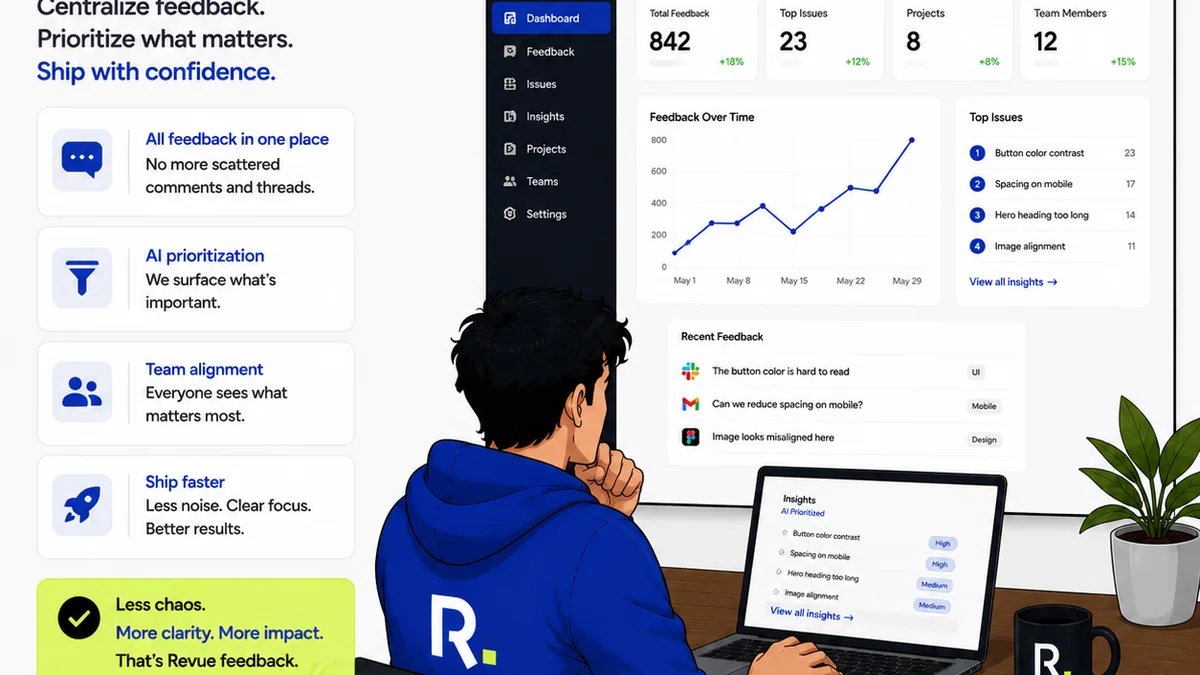
The assumption is that proofing software simply holds files. Wrong. The real power lies in its ability to consolidate all feedback in one place. Think about the chaos of multiple email threads, Slack messages, and even scribbled notes on printouts. Each is a silo of information, prone to being lost, misinterpreted, or ignored.
Good proofing software acts as your single source of truth. It brings stakeholders together, whether they’re internal editors, designers, clients, or legal reviewers.
Key Benefits of Centralized Feedback
- Reduces miscommunication by eliminating scattered feedback.
- Provides a clear audit trail of all comments and decisions.
- Ensures all reviewers are working from the latest version.
- Speeds up the revision process significantly.
This isn't just about convenience; it's about de-risking the entire project. When feedback is centralized, you can clearly see who said what, when, and why. This clarity is invaluable when navigating complex stakeholder opinions.
2. Version Control and Revision Tracking: Know Where You Stand
Publications evolve. Drafts become revisions, and revisions get revised again. Without robust version control, you’re flying blind. You might be acting on feedback for a version that’s already been superseded.
Effective proofing software meticulously tracks every iteration. You can compare versions side-by-side, see what changed, and understand the progression of the content.
This is crucial for accountability. If a client approves a specific version, that approval is tied to that exact iteration. No more
Frequently asked questions
What is the primary benefit of using proofing software for publications?
The primary benefit extends beyond error correction. Effective proofing software centralizes feedback, tracks revisions, and streamlines the entire review and approval process, leading to greater efficiency and reduced miscommunication.
Can proofing software handle different types of publication content?
Yes, most modern proofing software is versatile and can handle various file types common in publications, including PDFs, images (JPG, PNG, TIFF), design files (like Adobe InDesign or Figma links), and even text documents.
How does proofing software improve client collaboration?
It provides a single, clear platform for clients to view content, leave feedback, and give approvals. This eliminates scattered email chains and ensures everyone is working from the same, latest version, fostering transparency and speeding up decision-making.
Is proofing software only for print publications?
No, proofing software is essential for both print and digital publications. It's used for websites, articles, e-books, marketing collateral, and any content that requires review and approval before dissemination.