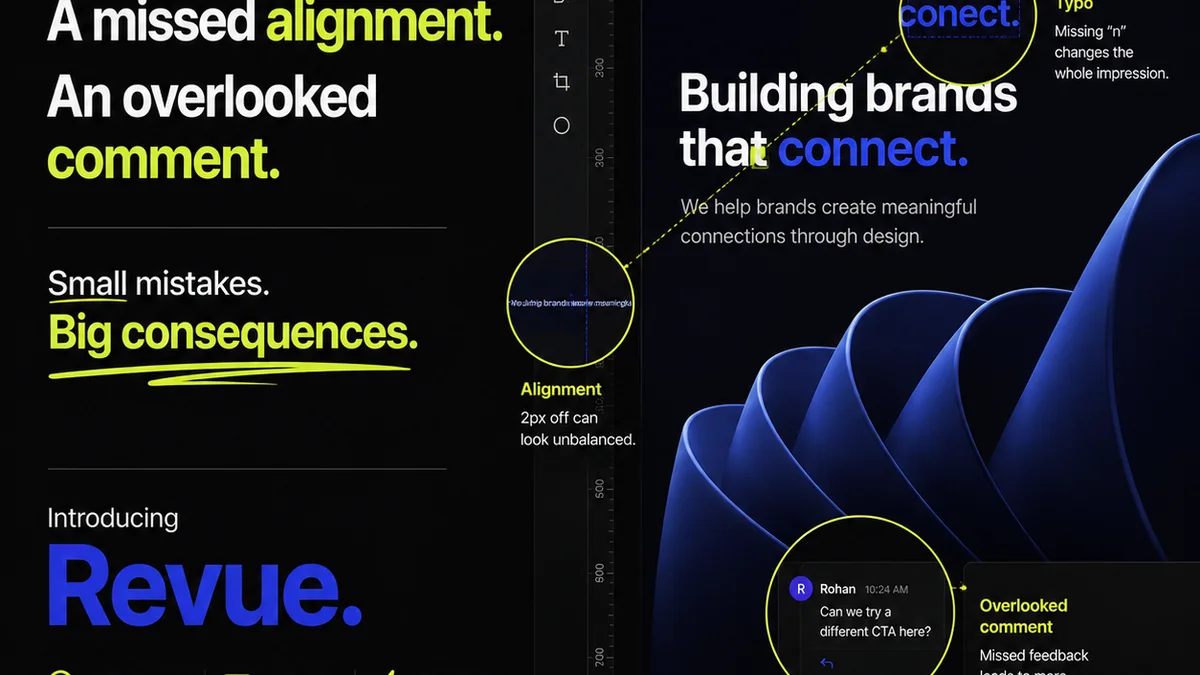
Most people think a book production workflow is a simple checklist. Print the manuscript, design the cover, proofread, send to printer. Done.
None of that is wrong. But it’s incomplete.
The hard truth? Book production is less about a linear process and more about managing a complex, often messy, ecosystem of communication, revision, and quality control. It’s a juggling act where one dropped ball can derail the entire project.
1. The Illusion of Linearity
The traditional view of book production is a straight line: manuscript -> editing -> design -> printing -> distribution. This model breaks down quickly in practice.
Why? Because creative work is iterative. Feedback loops are inevitable. Unexpected issues arise. A single change can ripple through the entire project, requiring adjustments in multiple areas simultaneously.
Consider these common scenarios:
- A late-stage editorial change necessitates a redesign of several interior pages.
- A printer flags a technical issue with the cover artwork that requires immediate resubmission.
- Legal review demands significant text revisions that impact pagination and layout.
- A client decides they want a different paper stock after the print run has already been scheduled.
These aren't exceptions; they are the norm in dynamic creative environments.
2. Communication: The Unseen Bottleneck
The biggest friction in book production isn't the printing press; it's communication breakdown. Misunderstandings, missed feedback, and version control chaos are the real project killers.
Think about it:
- Who has the *latest* version of the manuscript?
- Was that client feedback applied to the *correct* design file?
- Did the editor see the proofreader's final notes?
- Is the marketing team aware of the final trim size for their collateral?
Ad hoc communication—emails scattered across inboxes, Slack messages lost in the noise, verbal approvals that are never documented—creates a breeding ground for errors and delays. This is where the meticulously planned workflow begins to unravel.
The Cost of Ambiguity
Ambiguous feedback is another killer. A vague comment like “make it pop more” is useless. It requires interpretation, which introduces risk.
Clear, actionable feedback tied to specific elements is crucial. Without it, revisions become guesswork, leading to multiple rounds and increased costs.
3. Revision Management: The Art of Controlled Chaos
Revisions aren't a sign of failure; they are a natural part of the creative process. The challenge is managing them efficiently.
A disorganized revision process looks like this:
- Multiple versions of the same file being worked on simultaneously.
- Difficulty tracking which comments have been addressed and which haven't.
- Endless back-and-forth emails to clarify feedback.
- No clear audit trail of changes and approvals.
This leads to frustration, wasted time, and ultimately, a product that doesn’t meet expectations.
The Approval Gauntlet
Getting timely approvals from stakeholders is often a major hurdle. Different departments, clients, or even internal teams have competing priorities.
Waiting days or weeks for a single sign-off can bring the entire production schedule to a halt. This delay isn't just about lost time; it's about losing momentum and increasing the risk of scope creep.
4. Quality Control: The Final Frontier
The final stages of book production are critical for quality assurance. This isn't just about catching typos.
It involves a multi-faceted check:
- Editorial: Final grammar, spelling, consistency checks.
- Design: Layout integrity, image resolution, color accuracy, font consistency, bleed and trim accuracy.
- Technical: File format compatibility, printer-specific requirements (e.g., ICC profiles), page numbering, table of contents accuracy.
- Legal/Compliance: Ensuring all necessary disclaimers or legal text are present and correct.
Skipping or rushing these steps is a false economy. A book with errors undermines credibility and can lead to costly reprints or returns.
Where Revue Fits In
Managing a complex book production workflow requires robust tools. Relying solely on email and spreadsheets is a recipe for disaster.
This is where a platform like Revue can streamline the entire process.
- Centralized Feedback: All stakeholder feedback—editorial, design, marketing, legal—lives in one place, linked to specific project assets. No more hunting through email chains.
- Revision Visibility: Track every version of a design or manuscript. See exactly what changes were made, who made them, and when. This eliminates confusion and version control nightmares.
- Approval Tracking: Clearly define approval stages and stakeholders. Get automated notifications for pending approvals and see the status at a glance. This keeps the project moving and reduces bottlenecks.
- Quality Check Integration: Use Revue to manage the final review process, ensuring all necessary checks are completed and documented before final sign-off.
By bringing structure to the inherent chaos of creative production, Revue helps ensure that the final book is not only beautiful but also error-free and delivered on time.
Final Thought
The book production workflow isn't a rigid set of rules to be followed blindly. It's a dynamic system that must adapt to the realities of creative iteration and communication.
Are you managing a checklist, or are you truly orchestrating a workflow that accounts for the inevitable complexities and keeps your projects on track?
Frequently asked questions
What are the main challenges in book production workflows?
The main challenges are communication breakdowns, managing iterative revisions, version control issues, securing timely approvals from stakeholders, and ensuring comprehensive quality control across editorial, design, and technical aspects.
How does communication impact book production?
Poor communication leads to misunderstandings, missed feedback, and incorrect revisions. Scattered communication channels (email, chat) make it hard to track decisions and versions, causing delays and errors.
Why is revision management crucial in book production?
Revisions are natural in creative work. Effective management ensures that changes are clearly communicated, applied correctly to the latest versions, and tracked, preventing chaos, wasted time, and scope creep.
What does quality control involve in book production?
Quality control is a multi-stage process involving final checks on editorial accuracy, design consistency, layout integrity, color accuracy, technical file specifications, and legal compliance before final printing.
How can a platform like Revue help book production?
Revue centralizes feedback, provides clear revision history and version control, streamlines the approval process with tracking and notifications, and helps manage the final quality checks, bringing order to the complex workflow.