Everyone thinks book production is about printers, paper stock, and hitting a print date. That’s the easy part. The real work, the part that makes or breaks a project, happens long before the ink touches paper.
The hard truth? A successful book production workflow is built on robust communication, meticulous feedback management, and an unwavering commitment to quality control. It’s an operational challenge, not just a creative one.
1. The Pre-Production Puzzle: Laying the Foundation
Before a single page is designed or a word is typeset, the groundwork must be laid. This phase is critical for setting expectations and defining the project’s scope.
Defining Scope and Vision
What exactly are we creating? This isn't just about page count. It's about:
- Target audience
- Key messages
- Overall tone and style
- Deliverables (print, digital, both?)
- Budgetary constraints
- Project timeline milestones
Clarity here prevents scope creep later.
Content Gathering and Structuring
This is where the raw material comes in. Authors, editors, and subject matter experts must deliver:
- Final, edited manuscript
- High-resolution images or illustrations
- Permissions for any third-party content
- Author biographies and other supplementary text
A disorganized content dump is a workflow killer.
Team Assembly and Roles
Who is doing what? Define clear responsibilities:
- Project Manager
- Editor(s)
- Designer(s) (cover, interior)
- Typesetter
- Proofreader(s)
- Printer Liaison
Misaligned roles lead to dropped balls and duplicated effort.
2. The Design and Typesetting Dance: Bringing it to Life
This is where the project starts to take visual form. It’s a collaborative effort that requires structured feedback loops.
Establishing Visual Identity
The cover and interior design set the tone. Key considerations include:
- Brand guidelines (if applicable)
- Genre conventions
- Target audience aesthetics
- Readability and accessibility standards
A strong visual identity makes the book more appealing and professional.
Iterative Design and Feedback
Design is rarely perfect on the first try. This is where feedback management becomes paramount.
- Initial design concepts
- Client/stakeholder reviews
- Revision rounds
- Final design approval
Unstructured feedback leads to endless revisions and frustration. Centralized feedback is key.
Typesetting and Layout
Translating the approved design into a print-ready format. This involves:
- Applying styles consistently
- Ensuring proper typography and spacing
- Handling images and captions
- Formatting tables and lists
- Generating proofs for review
Precision here prevents costly errors down the line.
3. The Content Refinement Cycle: Polishing the Prose
Even after initial editing, content needs scrutiny. This phase is about catching errors and ensuring clarity.
Proofreading Rounds
Multiple passes are essential. Each proofread should focus on different aspects:
- First proof: Major typos, grammatical errors, consistency issues.
- Second proof: Finer points, punctuation, hyphenation, word usage.
- Final proof: A last check for any missed errors before print.
Never rely on a single proofread.
Fact-Checking and Accuracy
Especially critical for non-fiction. Verifying names, dates, statistics, and claims is non-negotiable.
- Cross-referencing sources
- Confirming data points
- Ensuring factual consistency throughout
Inaccuracy erodes credibility.
Accessibility Review
Ensuring the content is usable by everyone, including those with disabilities. This applies to both print and digital formats.
- Sufficient color contrast
- Readable font sizes and styles
- Alt text for images (for digital versions)
- Logical heading structures
Adhering to standards like WCAG is good practice.
4. The Pre-Press and Production Phase: Preparing for Print
This is the technical handoff to the printer. Errors here can be expensive and time-consuming to fix.
Final File Preparation
Ensuring all files are correctly formatted for the chosen printing method:
- High-resolution PDFs with bleed and trim marks
- Correct color profiles (CMYK)
- Embedded fonts
- Page order and imposition checks
Work closely with your printer.
Printer Proofs and Approval
Receiving and meticulously reviewing proofs from the printer:
- Color proofs (e.g., contract proofs)
- Press proofs (if budget allows)
- Checking for any shifts in color or layout
This is your last chance to catch print-specific issues.
Managing the Print Run
Overseeing the actual printing and binding process:
- Confirming quantities
- Monitoring print quality
- Arranging shipping and distribution
This requires clear communication with the print vendor.
5. Where Revue Fits In
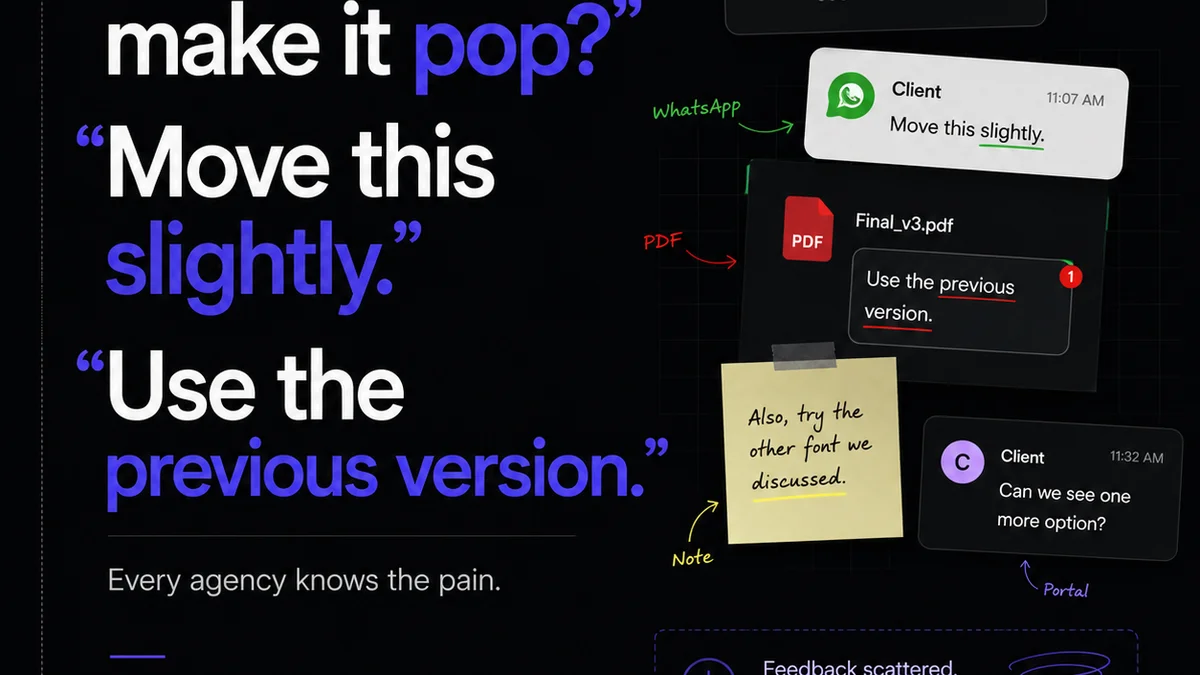
Managing a book production workflow involves juggling countless moving parts. Keeping track of feedback, revisions, and approvals across multiple stakeholders can quickly become chaotic.
This is where a centralized platform like Revue becomes invaluable. Instead of scattered email threads and disparate documents, Revue provides a single source of truth for all creative feedback and approvals.
- Centralized Feedback: Upload drafts, mockups, or proofs and collect all comments in one place. No more hunting for the latest version or deciphering vague feedback.
- Revision Tracking: Clearly see what feedback has been addressed, what’s pending, and who is responsible. This visibility streamlines the revision process significantly.
- Approval Workflows: Establish clear steps for sign-off, ensuring that all necessary parties have reviewed and approved content before moving to the next stage.
- Quality Assurance: Use the platform to track final checks and ensure all feedback has been incorporated correctly, acting as a final gate before print or publication.
By bringing structure to the feedback and approval process, Revue helps ensure that your book production workflow is efficient, transparent, and ultimately leads to a higher quality final product.
6. Final Thought
A book production workflow is more than a checklist; it’s a system. It’s about anticipating problems and building processes to solve them before they derail your project. Are you building a system, or just reacting to the next fire?
Frequently asked questions
What are the key stages of a book production workflow?
The key stages typically include Pre-Production (planning, content gathering), Design & Typesetting, Content Refinement (editing, proofreading), Pre-Press & Production (file prep, printing), and Post-Production (distribution, marketing). Each stage has critical sub-tasks.
Why is managing feedback crucial in book production?
Unmanaged feedback leads to scope creep, endless revisions, missed deadlines, and inconsistent quality. Centralizing feedback ensures clarity, accountability, and efficiency, resulting in a better final product.
How can a workflow checklist help book production?
A checklist ensures that no critical steps are missed, especially during complex phases like pre-press. It provides a clear roadmap, promotes consistency across projects, and helps identify bottlenecks early on.
What is the difference between editing and proofreading?
Editing focuses on the content itself – structure, clarity, style, and flow. Proofreading is the final check for surface errors like typos, grammatical mistakes, punctuation, and formatting inconsistencies before the book goes to print.
How do I ensure accessibility in my book production?
For digital versions, ensure proper heading structures, alt text for images, and sufficient color contrast. For print, focus on readable fonts, good line spacing, and clear layout. Adhering to accessibility guidelines (like WCAG) is recommended.