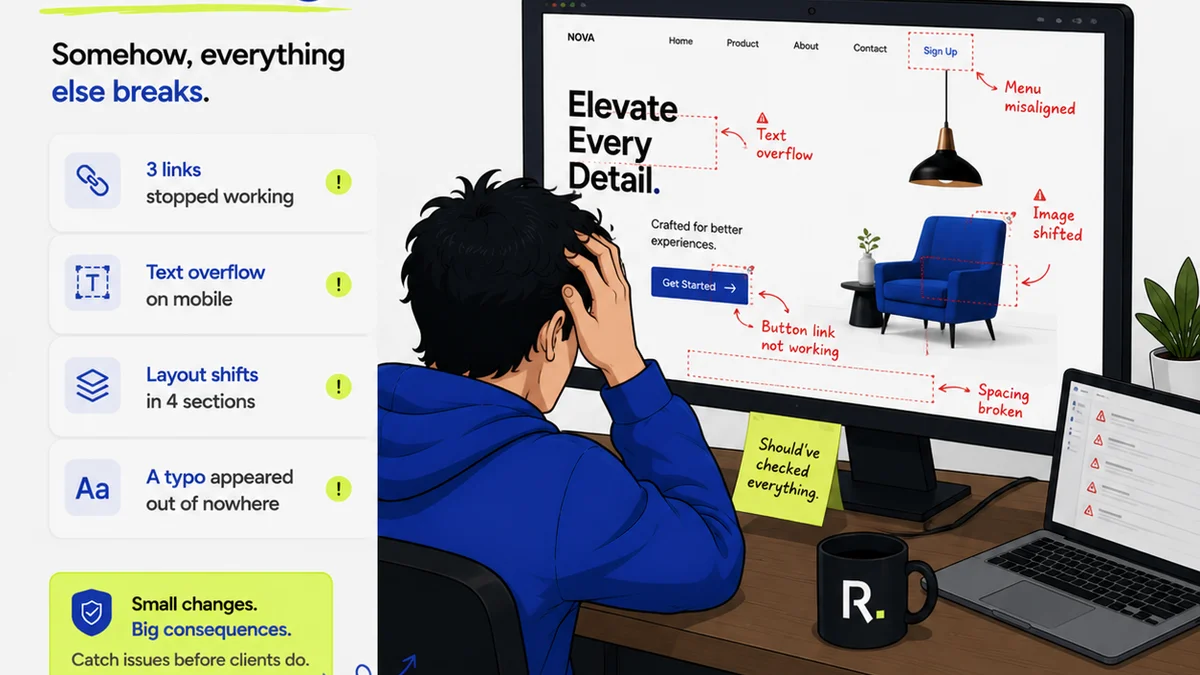
Everyone thinks the book production workflow is about typesetting and printing. That's not wrong. But it's incomplete.
The real workflow starts long before the first page is laid out and extends far beyond the final print run. It’s about managing people, expectations, and endless feedback loops.
The hard truth? A flawless book doesn't just happen. It’s the result of a rigorously managed process, especially when clients are involved.
1. Pre-Production: Laying the Foundation
This is where most projects get set up for success or failure. Skipping steps here is like building a house on sand.
Defining the Scope
Before a single word is edited or a single design element is considered, you need absolute clarity on the project’s scope. What is the final deliverable? What are the page counts, trim sizes, paper types, and binding methods?
What’s the budget? What are the deadlines? These aren't suggestions; they are non-negotiable parameters.
Client Briefing and Expectation Management
This is critical. Clients often have a vision that’s fuzzy at best. Your job is to translate that fuzziness into actionable requirements.
- What is the core message or purpose of the book?
- Who is the target audience?
- What is the desired aesthetic or tone?
- Are there any existing brand guidelines or style preferences?
Document everything. Get sign-off. This document becomes your North Star.
Team Assembly and Roles
Identify everyone involved. Who is the project manager? Who is the editor? The designer? The proofreader? The client stakeholders?
Clear roles prevent confusion and ensure accountability.
2. Content Development and Editing
The manuscript is the heart of the book. Its quality directly impacts everything that follows.
Manuscript Acquisition and Review
Whether it’s an author-submitted manuscript or content developed in-house, it needs a thorough initial review. Is it complete? Does it meet the agreed-upon scope?
Developmental Editing
This is about the big picture: structure, flow, clarity, and content accuracy. Does the narrative make sense? Is the argument logical?
Line Editing and Copyediting
Line editing focuses on style, voice, and readability at the sentence level. Copyediting dives deeper into grammar, punctuation, spelling, and consistency.
These are distinct phases. Don’t conflate them.
Proofreading
The final check. This catches typos, grammatical errors, and formatting inconsistencies that slipped through earlier stages. It’s a last line of defense.
3. Design and Layout
This is where the words meet the visuals. It’s more than just making it look pretty; it's about enhancing readability and conveying the book's message.
Concept Development
Based on the brief and the content, the design team develops a visual concept. This includes mood boards, style guides, and initial mockups.
Cover Design
Often the most critical design element. It needs to grab attention and accurately represent the book’s content and tone.
Client feedback on the cover can be intense. Prepare for it.
Interior Layout (Typesetting)
This involves choosing fonts, setting margins, arranging text and images, creating headers and footers, and ensuring a consistent look and feel throughout the book.
Accessibility is crucial here. Consider font sizes and contrast ratios. WCAG guidelines offer valuable insights even for print.
Image Selection and Preparation
Sourcing, editing, and placing images or illustrations. Ensure high resolution and appropriate licensing.
Poorly prepared images can ruin an otherwise good design.
4. Pre-Press and Production
The transition from digital files to physical product.
Final File Preparation
Ensuring all files are correctly formatted for print. This includes color profiles (CMYK), bleed, trim marks, and resolution checks.
Mistakes here lead to costly reprints.
Proofing and Approvals (The Gauntlet)
This is often the most challenging phase for client-involved projects. Multiple rounds of feedback, revisions, and sign-offs are common.
Managing this efficiently is paramount. Uncontrolled feedback leads to scope creep and missed deadlines.
Printer Selection and Liaison
Choosing the right printer based on quality, cost, and turnaround time. Communicating technical specifications clearly.
Printing and Binding
The actual physical creation of the book. Quality control at this stage is essential.
5. Post-Production and Distribution
The book is printed. Now what?
Quality Control of Printed Copies
Checking a sample of printed books for defects: misaligned pages, smudged ink, cover damage.
Distribution and Fulfillment
Getting the books to their final destination, whether it’s a warehouse, bookstore, or individual customers.
Marketing and Sales Support
While not strictly part of production, agencies often support these efforts. Ensuring digital assets (e.g., cover JPEGs) are ready.
Where Revue Fits In
The book production workflow, especially with client input, is a complex beast. Mismanaged feedback is the most common derailer.
Revue provides a centralized hub for all your creative projects. It streamlines the feedback and approval process, turning chaos into clarity.
Centralized Feedback
Instead of scattered emails and calls, all client comments live in one place, tied directly to the specific design or content element.
Revision and Approval Visibility
Track every version, every comment, and every approval. This creates an undeniable audit trail and prevents
Frequently asked questions
What are the key stages of a book production workflow?
The key stages include Pre-Production (scope, brief, team), Content Development & Editing (manuscript review, developmental, line, copyediting, proofreading), Design & Layout (concept, cover, interior, images), Pre-Press & Production (file prep, proofing, printing), and Post-Production (QC, distribution).
Why is client feedback management so crucial in book production?
Unmanaged client feedback is a primary cause of scope creep, missed deadlines, and budget overruns. Centralizing feedback and establishing clear approval processes prevents confusion and ensures accountability.
How can agencies improve their book production workflow?
Agencies can improve by meticulously defining scope, managing client expectations early, assigning clear roles, using a centralized platform for feedback and approvals, and conducting thorough quality checks at each stage.
What is the difference between copyediting and proofreading?
Copyediting focuses on grammar, syntax, consistency, and style at the sentence level. Proofreading is the final check for typos, punctuation errors, and formatting mistakes before printing.