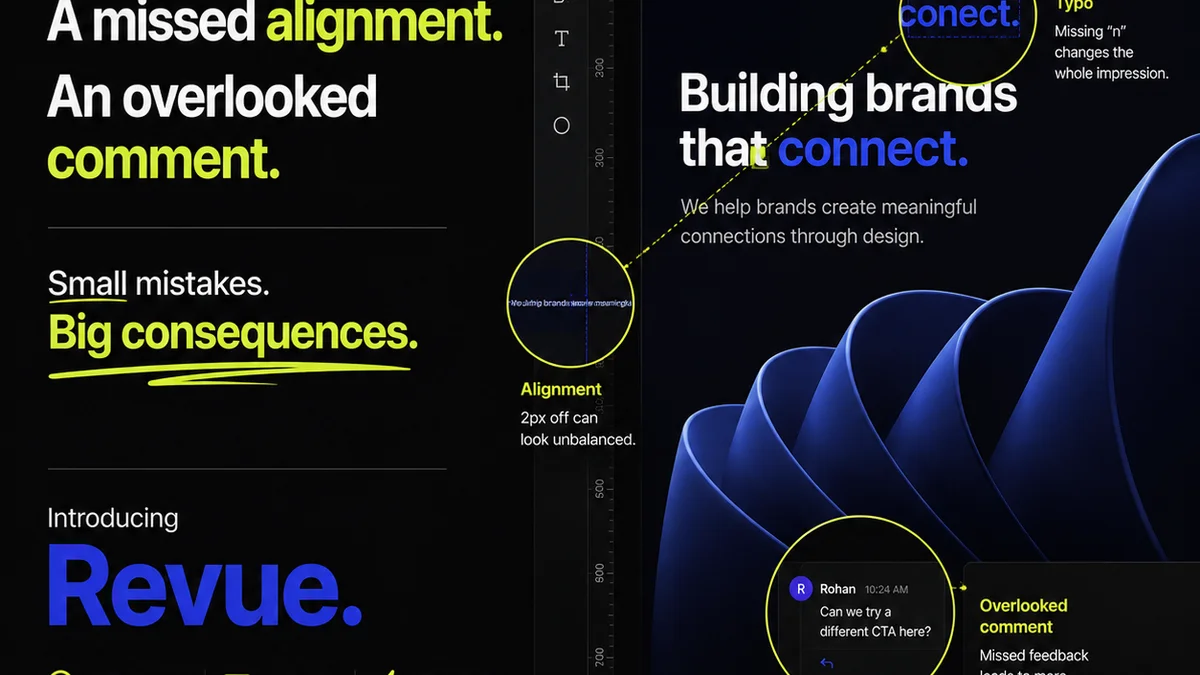
Everyone talks about brand consistency. You need the right logo, the right colors, the right fonts. That’s the easy part.
But for insurance agencies, true brand consistency runs deeper. It’s about building and maintaining trust in a complex, often confusing industry. It’s the operational bedrock that turns your brand from a nice-to-have into a competitive advantage.
1. The Assumption: Consistency is a Design Problem
The common assumption is that brand consistency is primarily a design or marketing team’s responsibility. Hand over the brand guidelines, and they’ll make sure everything looks the same.
This is a surface-level view.
The hard truth? Brand consistency, especially in insurance, is an operational challenge that touches every department. It’s about process, communication, and how your entire organization delivers on the brand promise, consistently.
2. The Hard Truth: Consistency is an Operational Imperative
For insurance, a consistent brand isn’t just about aesthetics. It's about demonstrating reliability, clarity, and professionalism. In an industry where trust is paramount, any crack in your brand’s facade can lead clients to seek coverage elsewhere.
Think about it: clients are entrusting you with their financial security. They expect a seamless, predictable experience, from the first ad they see to the claims process. Inconsistency breeds doubt. And doubt is the enemy of insurance sales.
2.1. The Visual Layer: More Than Just Logos
Yes, visual consistency is the most visible aspect. But it’s how it’s managed that matters.
- Are all client-facing documents (proposals, policy summaries, invoices) using approved templates and fonts?
- Is your website’s tone and imagery aligned with your offline marketing materials?
- Do your social media posts reflect the same brand voice and visual style as your email newsletters?
These aren't just design questions; they are workflow questions. Who is responsible for ensuring these assets are current and correctly applied?
2.2. The Messaging Layer: Clarity is King
Insurance products are complex. Your brand messaging needs to simplify, not complicate.
Inconsistent messaging creates confusion and erodes confidence. If your agency communicates different value propositions or policy details across channels, clients will feel uncertain.
- Are your sales scripts aligned with your website copy and brochure content?
- Is the language used in claims communication clear, empathetic, and on-brand?
- Do your agents understand and articulate the unique selling points consistently?
This requires centralized messaging frameworks and regular training, not just ad-hoc content creation.
2.3. The Experiential Layer: Every Touchpoint Counts
Brand consistency extends to the actual customer experience.
How does a client interact with your agency? Is it the same level of professionalism and clarity every time, regardless of who they speak to?
- Is the onboarding process for new clients smooth and consistent?
- Is client support readily available and helpful, reflecting your brand’s promise of care?
- Are policy renewals handled with clear communication and timely follow-up?
Each interaction is an opportunity to reinforce your brand. Inconsistency here is a direct hit to client retention.
3. The Operational Bottlenecks to Brand Consistency
Most agencies struggle with consistency not due to a lack of desire, but due to operational friction.
3.1. Fragmented Feedback Loops
Client feedback is gold. But if it’s scattered across emails, spreadsheets, and verbal conversations, it becomes impossible to track and act upon systematically.
This leads to missed revisions, misunderstood requirements, and ultimately, work that deviates from the client’s (and your agency’s) brand standards.
3.2. Version Control Nightmares
How many versions of a proposal or policy document exist on shared drives? Which one is the *latest* and *approved*?
Without a single source of truth, teams revert to outdated assets or make unapproved changes. This is a direct path to visual and messaging inconsistency.
3.3. Lack of Centralized Oversight
When creative assets, client communications, and project approvals are managed in disparate tools, no one has a clear, holistic view.
This makes it difficult to enforce brand guidelines, ensure quality, and identify where inconsistencies are creeping in. It’s like trying to navigate without a map.
4. Where Revue Fits In
Achieving robust brand consistency for insurance agencies requires a centralized system for managing creative workflows and client collaboration.
Revue provides that central hub. It’s built to streamline the entire creative process, from initial brief to final approval.
- Centralized Feedback: Collect all client feedback directly on creative assets (designs, documents, videos) within Revue. No more hunting through emails. All comments are organized, contextual, and actionable. This ensures feedback is understood and applied consistently.
- Revision and Approval Visibility: Track every version of a project, see who approved what, and when. This eliminates confusion over the latest version and ensures that only approved iterations move forward, maintaining brand integrity.
- Quality Checks: Implement a clear approval process that acts as a final quality gate. Ensure all deliverables meet brand standards and client requirements before they are finalized and sent out. This systematic approach prevents off-brand or inconsistent materials from reaching clients.
By bringing feedback, revisions, and approvals into one place, Revue helps your agency maintain a tight grip on brand consistency across all client projects.
5. Building a Culture of Consistency
Technology is an enabler, but culture is the driver.
Foster an environment where every team member understands the importance of brand consistency.
- Onboarding and Training: Integrate brand guideline training into your onboarding process. Regularly refresh training for existing staff.
- Clear Roles and Responsibilities: Define who is accountable for maintaining brand standards at each stage of a project.
- Regular Audits: Periodically review client-facing materials and communications to identify and correct any deviations from brand guidelines.
- Celebrate Success: Highlight instances where strong brand consistency led to positive client outcomes.
This proactive approach embeds consistency into your agency’s DNA.
6. Final Thought
Brand consistency for insurance agencies isn't a cosmetic fix; it's a fundamental requirement for building trust and driving business growth. It demands more than just pretty designs—it requires rigorous operational discipline.
Are your agency’s internal processes robust enough to ensure every client interaction reinforces, rather than erodes, your brand’s promise of reliability and clarity?
Frequently asked questions
Why is brand consistency so crucial for insurance agencies?
Insurance is built on trust and reliability. Consistent branding across all touchpoints reassures clients that your agency is stable, professional, and dependable. Inconsistency can create doubt, leading clients to question your agency's stability and potentially seek coverage elsewhere.
What are the common mistakes creative agencies make regarding brand consistency for insurance clients?
Common mistakes include focusing only on visual elements (logos, colors) while neglecting messaging and experiential consistency. Agencies also struggle with fragmented feedback, version control issues, and a lack of centralized oversight, leading to off-brand deliverables.
How does a centralized feedback system improve brand consistency?
A centralized system like Revue ensures all client feedback is gathered in one place, directly on the assets. This contextual feedback reduces misinterpretations, prevents lost comments, and ensures revisions align with brand guidelines and client expectations, leading to more consistent final outputs.
What role does technology play in maintaining brand consistency?
Technology, such as workflow management tools, provides a single source of truth for assets, approvals, and feedback. It automates processes, reduces manual errors, and offers clear visibility into project status, all of which are critical for enforcing brand guidelines consistently across a team.